
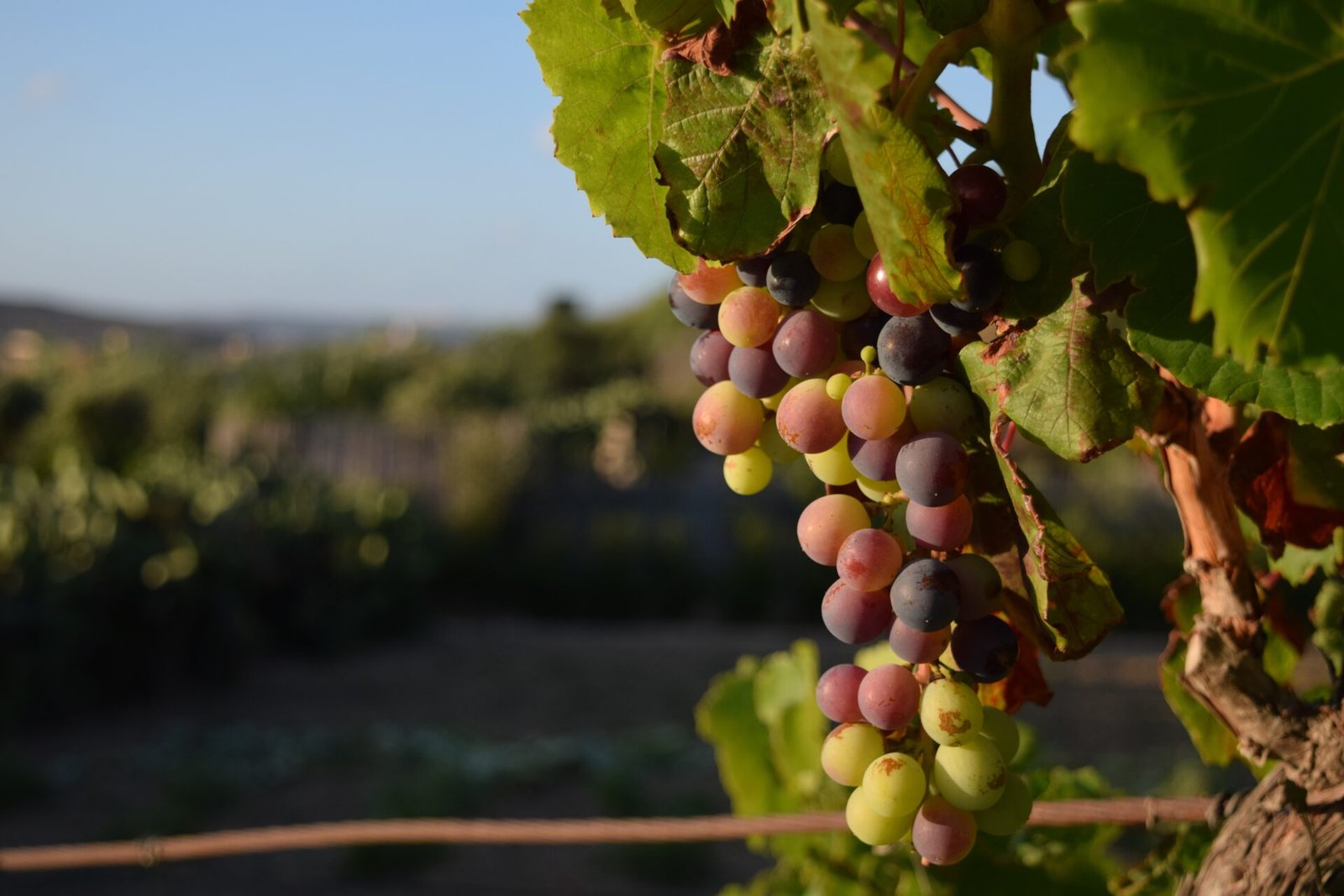
Armenian wine is easy to taste in Yerevan without leaving the city: a handful of wine bars and shops pour local bottles by the glass, and an evening is easy to plan on foot. The short answer: start with a dry white from Voskehat and a red from Areni, ask for a flight rather than a bottle, and eat something local alongside. This guide covers where to go, what to order, what it costs in 2026, how to buy bottles, and whether a wine tour beats doing it yourself.
| Question | Short answer |
|---|---|
| Where to taste in the city? | Wine bars and shops around the Cascade and Saryan Street area, plus restaurants with Armenian-only lists. |
| Which two wines first? | A dry Voskehat white and a dry Areni red: Armenia’s signature grapes. |
| Typical cost 2026? | Roughly 1,500 to 4,000 dram a glass in a bar; bottles in shops from about 3,000 dram. Approximate, check menus. |
| Best food pairing? | Grilled meat (khorovats), lavash with cheese and herbs, cured basturma and sujukh. |
| Where to buy bottles? | Specialist wine shops, supermarkets, winery shops; the airport has a duty-free shop (check range). |
| Wine tour or DIY? | Evening in Yerevan if you have 1 to 2 days; a full day to Areni if wine is the point. |
| Can I carry bottles home? | Yes, sealed in checked luggage or duty-free bags; check your customs allowance. |
Where can you taste Armenian wine in Yerevan?
Yerevan has no single wine street, but the centre is compact. Travellers on Reddit and TripAdvisor most often mention In Vino, a wine bar and shop on Martiros Saryan Street close to the Cascade, with a list built around Armenian and regional bottles and, according to its public listing, opening from late morning to midnight. Hours and menus change, so check before you walk over. Other wine bars have come and gone in recent years, and some places that look like wine bars are really restaurants with a wine list.
What to look for: a list where Armenian wines are the main section and not an afterthought, staff who can say which region and grape each bottle comes from, and some choice by the glass. If the only Armenian wine offered is a sweet pomegranate bottle for tourists, move on.
A simple evening route
- Late afternoon: walk up the Cascade for the view, then go to a wine bar nearby (see our guide to the best things to do in Yerevan).
- Evening: order two or three glasses or a small flight, plus a board of cheese and cured meats.
- Dinner: move to a restaurant with a good Armenian list and order a bottle that matches your food.
What should you order? The grapes and styles to know
Armenia has hundreds of indigenous grape varieties, and a few dominate menus. You do not need to memorise them, but these names help you read a list.
- Areni: the signature red. Usually medium-bodied, with red cherry, spice and fresh acidity. Grown at altitude in volcanic soils, mostly in Vayots Dzor. Our guide to Areni wine goes deeper.
- Voskehat: the leading white. Dry, textured, with orchard fruit and herbal notes; a good first white.
- Kangun and Garan Dmak: whites often used in blends, and in brandy.
- Khatun and Haghtanak: red varieties you will see on more adventurous lists; Haghtanak tends to be deeper and darker.
- Kakhet: a historic red grape also tied to the sweet and fortified tradition.
- Amphora wines: some producers age wine in clay vessels (karas in Armenian); expect more texture and earthiness.
- Sweet and fortified wines: made from local grapes and often served with dessert; they are very different from the dry list.
For a first flight, a sensible order is one dry white (Voskehat), one dry red (Areni), and one wine you cannot place: ask the staff what they are proud of. For the longer story of grapes and regions, see our Armenian wine guide.
How much does wine cost in Yerevan in 2026?
We cannot give exact menu prices, because they change and we do not want to quote ones we have not checked. These are rough ranges for 2026, and you should look at the menu before ordering.
- Glass in a wine bar: roughly 1,500 to 4,000 dram for local wine; premium bottles poured by the glass cost more.
- Bottle in a bar or restaurant: often 8,000 to 25,000 dram, depending on the producer and the venue.
- Bottle in a shop or supermarket: everyday bottles roughly 3,000 to 6,000 dram; well-regarded bottles from specialist shops roughly 7,000 to 15,000 dram and up.
- Tasting flight: where offered, usually priced per set.
Armenian dram is the currency, and card payment is common in central Yerevan. Our money and cards guide covers ATMs and exchange. Expect a markup in restaurants close to the main sights.
What food goes with Armenian wine?
Armenian cooking is built for wine: grilled meat, herbs, cheese, bread. Some pairings that work without any rulebook:
- Khorovats (barbecue) with a structured Areni red.
- Lavash with fresh cheese and herbs with a dry Voskehat white.
- Basturma and sujukh (cured beef and spiced sausage) with a fruity red.
- Dolma (stuffed vine leaves) with a lighter white or rosé.
- Dried fruit, walnuts and sweets with a sweet or fortified wine.
Our guides to Armenian food and Yerevan street food, coffee and sweets will help you plan the dishes.
Where can you buy Armenian wine to take home?
- Specialist wine shops: best for advice and a wider range. In Vino also sells bottles as a shop, per its listing.
- Supermarkets: fine for everyday bottles; check storage and the vintage.
- Winery shops and cellar doors: good if you do a day trip, see below.
- Duty free at Zvartnots airport: an easy last-minute option with sealed bags, but check the range and prices on the day, since we have not verified the current selection.
Pack bottles in the middle of checked luggage, wrapped in clothes, or use a wine shipper. Customs allowances differ by country: check the rules for your destination and keep receipts. Souvenir shopping tips are in our what to buy in Armenia guide.
Wine tour or do it yourself?
If you have one or two days in Yerevan, DIY works well: an evening in a wine bar, a bottle for the hotel, and a brandy tasting on another day (see our Armenian brandy guide). If wine is the main reason for your trip, a full day to Vayots Dzor with a driver is a better choice: you see vineyards, the Areni area and Noravank, and you taste where the grapes grow. Our Noravank and Areni day trip guide has the route.
Do not drive yourself after tasting. If you are in a rental car, taste only a sip, or hire a driver.
What do travellers complain about, and who should skip this?
- Tourist-trap tastings: tastings that pour sweet or fruit wine as typical Armenian wine. Ask what grapes you are drinking.
- Menus without producers: house wine with no region or grape named is usually a sign to order something else.
- Markups: restaurants near the main squares can charge noticeably more than a wine shop. Buy a bottle in a shop first if you want value.
- Heat and altitude: wine hits harder at altitude and in summer heat; drink water between glasses.
- Hard to tell quality: there is no official quality scale most visitors recognise; staff recommendations matter.
Who should skip it? People who do not drink alcohol, or who want only sweet wine. Armenia also has good non-alcoholic options, such as herbal teas and fruit juices, and Yerevan’s cafe scene is worth a visit in its own right.
Tips for a good tasting
- Ask for the grape and the region before you ask for the price.
- Taste white first, then red, then sweet.
- Order water and bread to reset your palate.
- Take a photo of labels you like: the producer name is what you will search later.
- Buy fewer, better bottles than many cheap ones.
If you have only three days, our 3 days in Yerevan itinerary shows where a wine evening fits.
If you would rather taste at the source, our small-group and private tours include Vayots Dzor with a driver, so nobody has to stay sober behind the wheel. Tell us what you like to drink and we will plan the day around it: see our tours.
Frequently asked questions
What is the best Armenian wine to try first?
Start with a dry white from the Voskehat grape and a dry red from Areni. They are the best-known grapes in Armenia and show the country's style: fresh, mineral and food friendly. Ask the staff to pour a small flight so you can compare, and ask which region each bottle comes from.
Where can I taste Armenian wine in Yerevan?
Wine bars and shops in the centre, particularly around the Cascade and Martiros Saryan Street, pour Armenian wines by the glass. Restaurants with Armenian lists are another option. Opening hours and menus change, so check before going and look for lists that name the grape and producer.
How much does a glass of wine cost in Yerevan?
In 2026, roughly 1,500 to 4,000 dram for local wine in a wine bar, with premium pours costing more. Bottles in shops usually start around 3,000 dram. These are approximate figures that change, so check menus before you order.
Can I bring Armenian wine home on a flight?
Yes. Pack sealed bottles in the middle of checked luggage, or buy sealed duty-free bags at the airport. Customs allowances differ by country, so check the rules for your destination and keep your receipts before you fly.
Is a wine tour better than tasting in Yerevan?
It depends on time. A Yerevan wine bar is fine for an evening. If wine is a main interest, a full-day trip to Vayots Dzor lets you see vineyards, taste at the source and visit Noravank, and a driver means you do not drive after tasting.