Armenian brandy is a grape spirit, distilled twice and aged in oak, that Armenians have exported for well over a century and that was long sold as cognac. Today it is called brandy, because cognac is a protected French name. The easiest way to meet it is a Yerevan Brandy Company visit with a tasting, then a bottle of something aged from a shop. This guide covers the history, grapes, labels, tours, tasting and what you can carry home.
| Question | Short answer |
|---|---|
| Why not cognac? | Cognac is a protected name; Armenia agreed to phase it out under its EU partnership agreement. |
| Main grapes? | Local whites such as Voskehat, Garan Dmak, Mskhali and Kangun, often with others. |
| Age labels? | Stars (3, 5), then KV, KVVK and age statements such as 10 or 20 years. |
| Best-known tour? | The Ararat brandy factory of the Yerevan Brandy Company in Yerevan. |
| Time needed? | Around one to two hours for the tour and tasting; book ahead. |
| Tasting age limit? | Tastings are for adults; minors cannot taste. |
| Allowance at home? | Often about one litre of spirits per adult duty-free; check your country. |
Why is it called brandy and not cognac?
Cognac is a protected appellation: only spirit made in the Cognac region of France, to defined rules, can carry the name. Armenian producers learned distillation methods from French practice in the 19th century, and during the Soviet era their spirit was widely sold as cognac, especially in Russia, where the Russian word for it is still common on labels.
That changed when Armenia and the European Union signed their Comprehensive and Enhanced Partnership Agreement, which entered into force in 2021. As reported at the time, Armenia agreed to stop using the term cognac, with a transition period to 2032, and the EU offered funding to support rebranding. Reports also noted that labels in non-Latin script may continue. In practice you will see Armenian brandy on export bottles, while Armenians will still say konyak in conversation. The spirit is the same, the word on the front is what changed.
What is Armenian brandy made from?
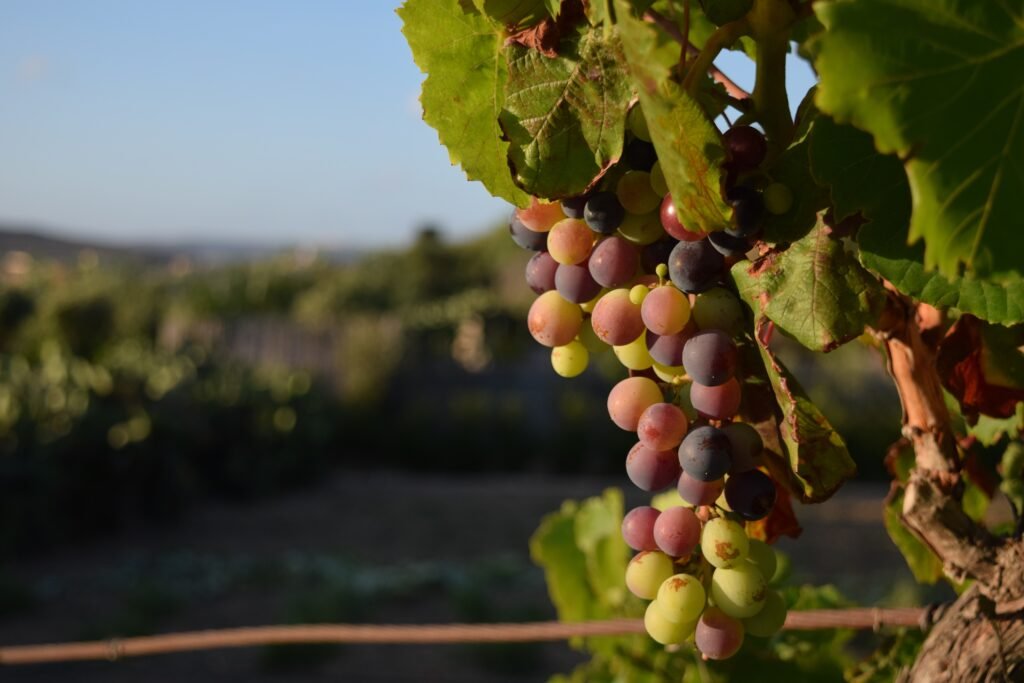
It is made from grapes grown mainly in the Ararat valley and nearby regions, distilled and aged in oak. Producers and writers commonly name indigenous white varieties such as Voskehat, Garan Dmak, Mskhali and Kangun, sometimes alongside Rkatsiteli, and Voskehat is often praised for aromatic complexity. Many Armenian producers use local oak, but practices differ, so treat any single claim as a producer’s own.
The basic process is familiar to cognac drinkers: ferment the wine, double-distil, then age in oak barrels for years, blend, dilute and bottle. The result is usually a little rounder and sweeter, with notes of dried apricot, walnut, vanilla, caramel and spice. If you have enjoyed our guide to Armenian wine, this is the same vineyards turned into a different drink.
How do I read the age labels?
Armenian brandy uses three kinds of labels. They overlap, so treat the following as a guide and check the back label.
- Stars: three, four or five stars indicate the minimum age of the youngest spirit in the blend, roughly three to five years. Good for mixing or a first taste.
- KV and KVVK: abbreviations inherited from the Soviet-era standard for aged brandy, in which the spirit is older than the star grades, roughly six years and eight years or more. Treat the figures as approximate and check the bottle.
- Age statements: bottles labelled 10, 12, 15, 20 or 30 years are the ones to buy as a gift. The number is the age of the youngest spirit in the blend.
Anything labelled XO or similar in the export market sits at the older end of this range. Older does not always mean better for your taste, and the 7 to 10 year bracket is often the best value.
What happens on a Yerevan Brandy Company tour?
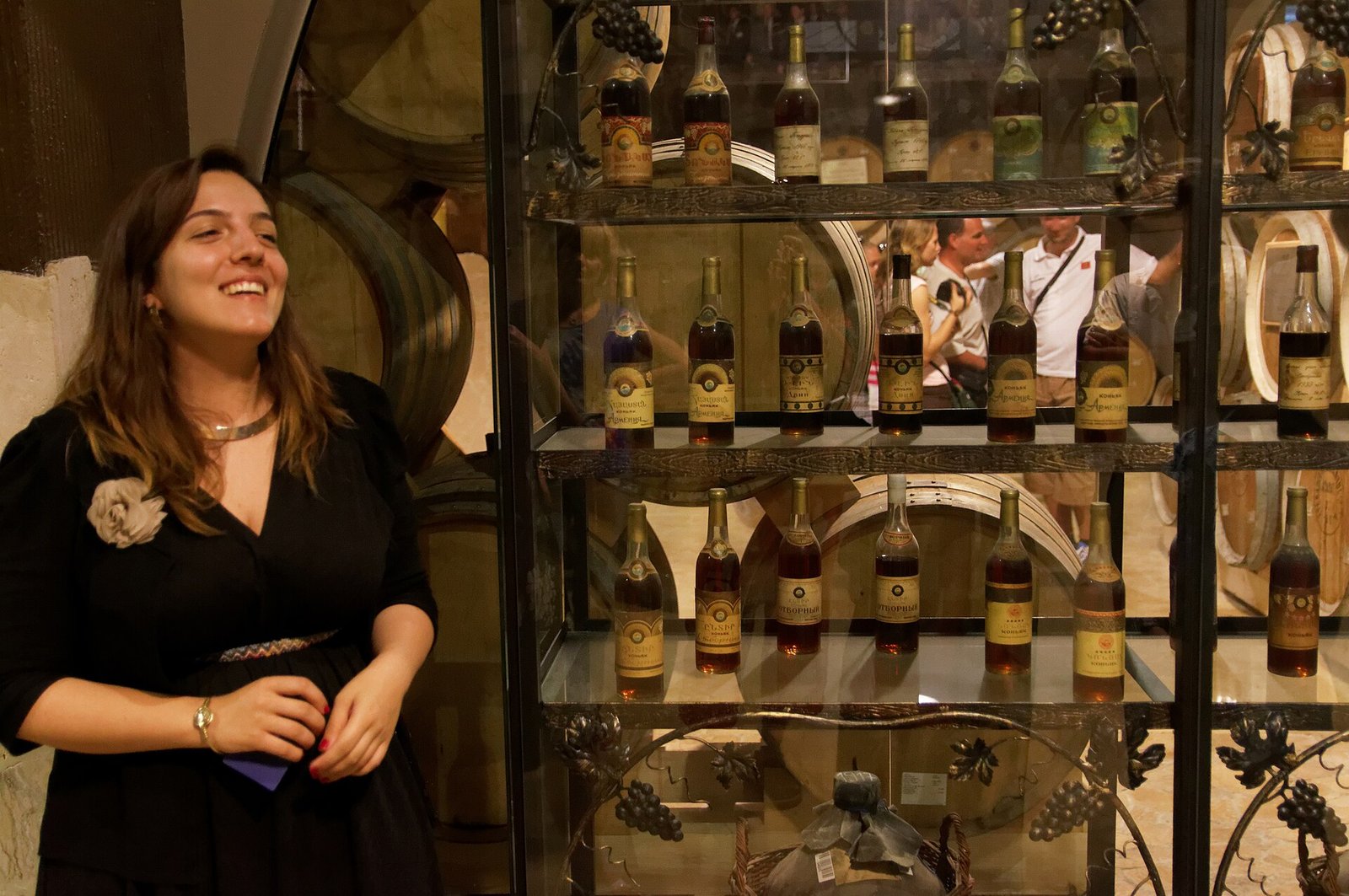
The Yerevan Brandy Company, whose best-known brand is Ararat, traces its roots to a distillery founded by merchant Nerses Tairyan in the late 19th century in Yerevan; sources differ on the exact year. It later passed to the Shustov family business, was nationalised in the Soviet period, and since the late 1990s has been part of Pernod Ricard. The tour typically combines a museum, a walk through the ageing cellars and a tasting at the end. Listings from tour agencies in 2026 show packages that run roughly from 12 to 27 US dollars per person, with higher tiers pouring older brandies, but prices change, so check the current rate when booking.
- Book ahead, especially in summer and at weekends; ask which days and hours the factory is open.
- Adults only for tastings: under-18s cannot taste.
- Eat first: tastings of several glasses on an empty stomach are a mistake.
- Combine it with Yerevan sightseeing since it is in the city. Our things to do in Yerevan has ideas for the rest of the day.
Are there other places to taste brandy?
Yes. The Noy brandy factory in Yerevan, also with Tairyan roots, runs visits and has its own shop, and other makers such as Proshyan, Kilikia and A.K.Z. have their own brands in shops and restaurants. We have not been able to confirm current visitor hours for every producer, so ask your hotel or a local agency to check before you go. Many restaurants also keep a short brandy list, which is a cheaper way to compare several makers by the glass.
How do I taste Armenian brandy properly?
A tasting does not need ceremony. Use a small tulip glass, pour about two fingers, and follow four steps.
- Look: colour runs from pale gold to deep amber; older is usually darker.
- Smell: keep the glass at chest height first, then bring it to your nose. Strong alcohol hides aroma if you go straight in.
- Sip: a small amount, let it warm in your mouth, and notice dried fruit, nuts, vanilla or spice.
- Add a drop of water if it feels hot. No ice is necessary.
Taste from youngest to oldest, and sip water between pours.
What food goes with it?
Armenians often drink brandy with coffee, and with something sweet or salty: dried apricots, walnuts, dark chocolate, hard cheese, or a slice of gata. Younger brandies also work with fruit and cheese. At a meal, brandy is usually a toast drink and a digestif rather than a pairing for the main dish, so see Armenian food for what the table looks like, and Yerevan street food, coffee and sweets for easy pairings.
Is it worth it if I do not like brandy?
Honestly, it depends. If you dislike spirits, a tasting of five or six glasses will not convert you, and the tour is more history than gastronomy. But many people who dislike harsh whisky find a smooth 7 to 10 year Armenian brandy much gentler, and the museum and cellars are a good indoor half-hour in a hot afternoon. The sensible choice is a basic tasting tier, sip rather than finish, and share a glass. If you prefer wine, spend a day in Vayots Dzor instead: the Noravank and Areni wine region pairs a gorge monastery with village wineries, and Jermuk and Vayots Dzor shows how to extend the trip.
What should I buy and how do I carry it home?
Buy from the factory shop, a well-known liquor store or the airport duty-free, because a reputable seller protects you from counterfeits and badly stored stock; look for an intact seal and a producer you recognise. Older brandies make better gifts than stars. Souvenir markets sell bottles too, but quality varies, see what to buy in Armenia.
- Allowance: many countries allow about one litre of spirits per adult duty-free, but limits differ, for instance for the EU, UK, US, Canada and Switzerland. Check your customs authority before you buy.
- Flights: pack bottles in checked luggage, wrapped in clothes, or buy them sealed in a duty-free bag and keep the receipt. Liquids over the cabin limit are not allowed in hand baggage unless bought at the airport.
- Keep receipts, and do not buy more than you can legally import.
If you want a brandy tasting without sorting out reservations and transport, our private tours can pair it with Yerevan sights or a wine day in Areni and Noravank. See our Armenia tours or ask us for a custom plan.
Frequently asked questions
Why is it called Armenian brandy and not cognac?
Cognac is a protected name for spirit from the Cognac region of France. After the EU-Armenia partnership agreement entered into force in 2021, Armenia agreed to stop using the word cognac, with a transition period reported to run to 2032. Producers now market their spirit as Armenian brandy, though the old word is still heard locally.
Is the Yerevan Brandy Company tour worth it?
Yes, if you are curious about history and production. It combines a museum, cellars and a tasting, and takes around an hour or more depending on the package. If you dislike spirits entirely, a wine day trip may suit you better. Book ahead and check current opening days.
What do 3 star, 5 star and KV mean on Armenian brandy?
Stars show the minimum age of the youngest spirit in the blend, roughly three years for three stars and five for five stars. Labels such as KV and KVVK, plus age statements like 10 or 20 years, mark older brandies. Exact rules vary by producer and standard, so read the back label.
How much brandy can I take home?
It depends on your destination. Many countries allow about one litre of spirits per adult duty-free, but limits differ for EU, UK, US, Canadian and Swiss travellers. Buy sealed bottles, keep receipts, and check your own customs rules. Pack bottles in checked luggage or buy sealed duty-free bags.
How should I drink Armenian brandy?
Neat, in a tulip-shaped or small snifter glass, at room temperature, in small sips. Let it sit a minute, smell first, then taste. Locals often drink it with coffee, dried fruit, nuts or dark chocolate, and younger brandies are also used in cocktails. There is no need to add ice.