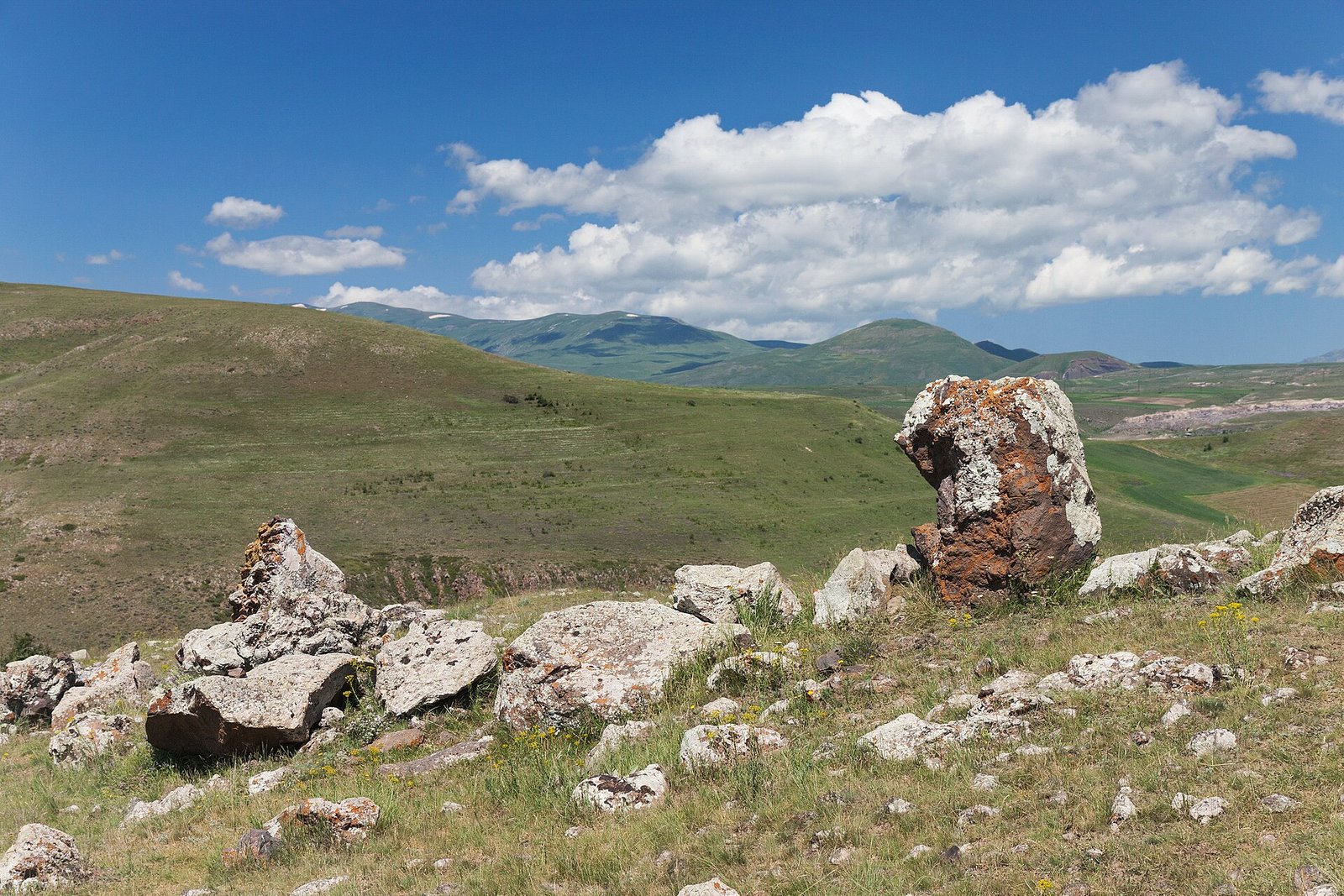
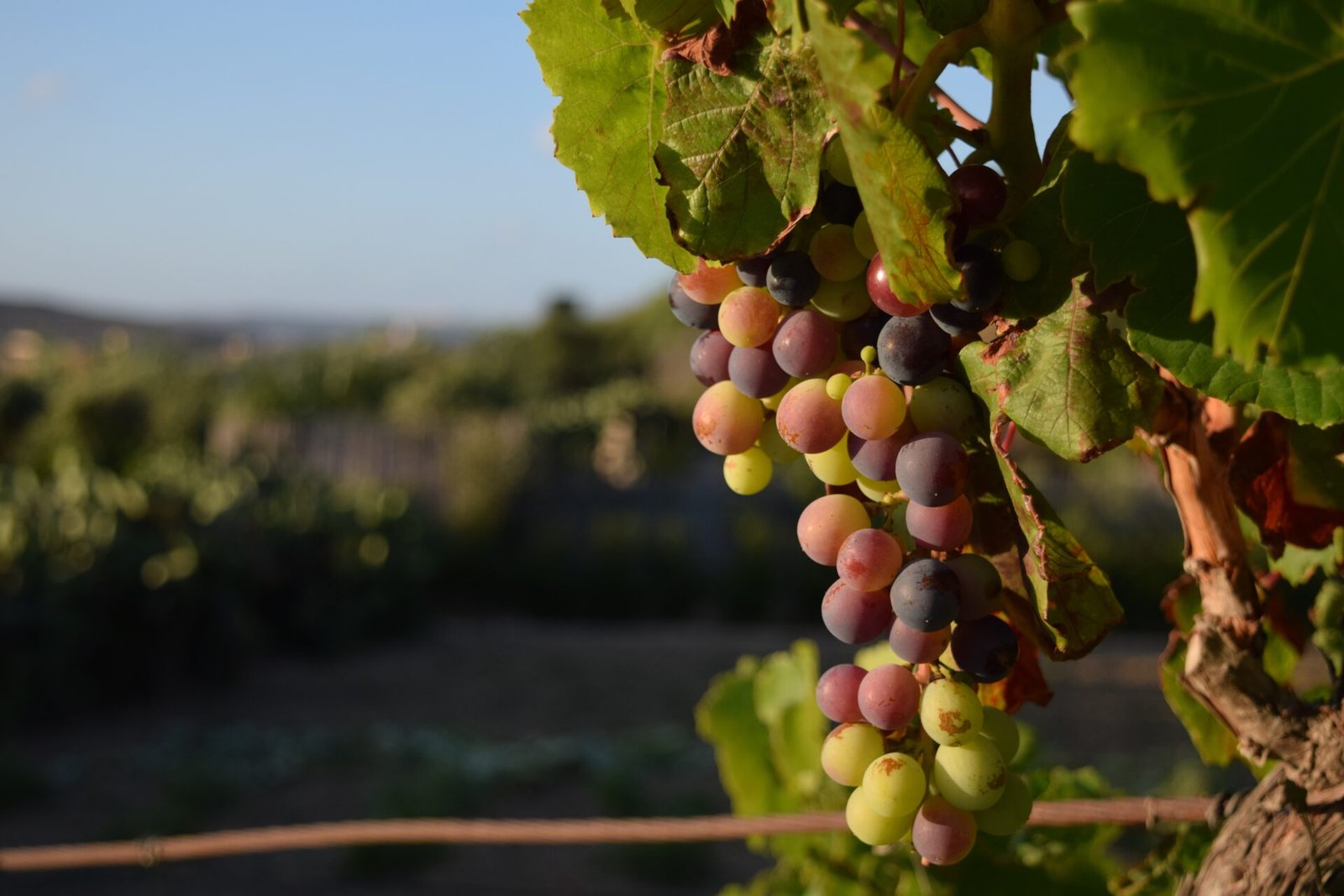
Armenian wine is the oldest continuous winemaking tradition anyone can point to, and for travellers it is also one of the most rewarding surprises in the country. Six thousand years of history, a handful of indigenous grapes nobody else grows, vineyards at altitudes that would frighten most European producers, and an industry that has spent the last fifteen years remembering how good it can be.
| Armenian wine at a glance | |
|---|---|
| Oldest evidence | Areni-1 cave winery, around 6,100 years old |
| Flagship red | Areni Noir |
| Flagship white | Voskehat |
| Main regions | Vayots Dzor, Ararat Valley and Armavir, Aragatsotn, Tavush |
| Vineyard altitude | Typically 900 to 1,700 m, among the highest in the world |
| Harvest | Late August to mid October |
| Bottle price in shops | Roughly EUR 10 to EUR 28 in 2026 |
Six thousand years, briefly
In 2007 archaeologists digging in a cave near the village of Areni found a clay treading floor sloping into a collection vat, fermentation jars set into the ground, grape seeds, pressed skins and desiccated vine. The carbon dates put it around 4100 BC. Areni-1 is the oldest known winemaking facility in the world, and the vines growing on the hillside outside it are the same species that filled those jars.
Between then and now there is Urartian royal cellars, monasteries pressing wine for the liturgy, and a long Soviet interruption in which Armenia was assigned brandy and told to send its table wine grapes elsewhere. Vineyards were replanted with high yielding varieties, and the old ones survived mostly in villages, in field blends and in people’s back gardens. The modern revival began in earnest around 2007 and has accelerated every year since. Many of the producers you will taste from are on their fifteenth vintage or their fifth.
The grapes to know
Areni Noir
The red that carries the country. Thin skinned, naturally high in acid, low in tannin, pale in the glass in a way that makes people underestimate it. Sour cherry, pomegranate, dried thyme, wild juniper and a dry, stony finish. It behaves like a mountain grape because it is one, ripening slowly through hot days and genuinely cold nights at 1,300 metres or more. Good producers use little or no new oak. Serve it slightly cool.
Voskehat
Golden seed, and the most serious white in the country. Quince, dried pear, a waxy texture and firm acidity. It can take skin contact, oak or amphora and still taste like itself. Ask for a bottle with three or four years on it and you will understand why people bother.
The supporting cast
- Khndoghni, also called Sireni, a darker, more tannic red from the south east with black fruit and real grip.
- Kangun and Garan Dmak, whites often used for volume and increasingly for good dry wines and sparkling base.
- Haghtanak and Karmrahyut, deep coloured reds mostly used in blends.
- Mskhali, Chilar and Tozot, old varieties reappearing in small lots and field blends.
There is also international planting, mostly in the Ararat valley, and some of it is well made. It is not the reason to drink here.
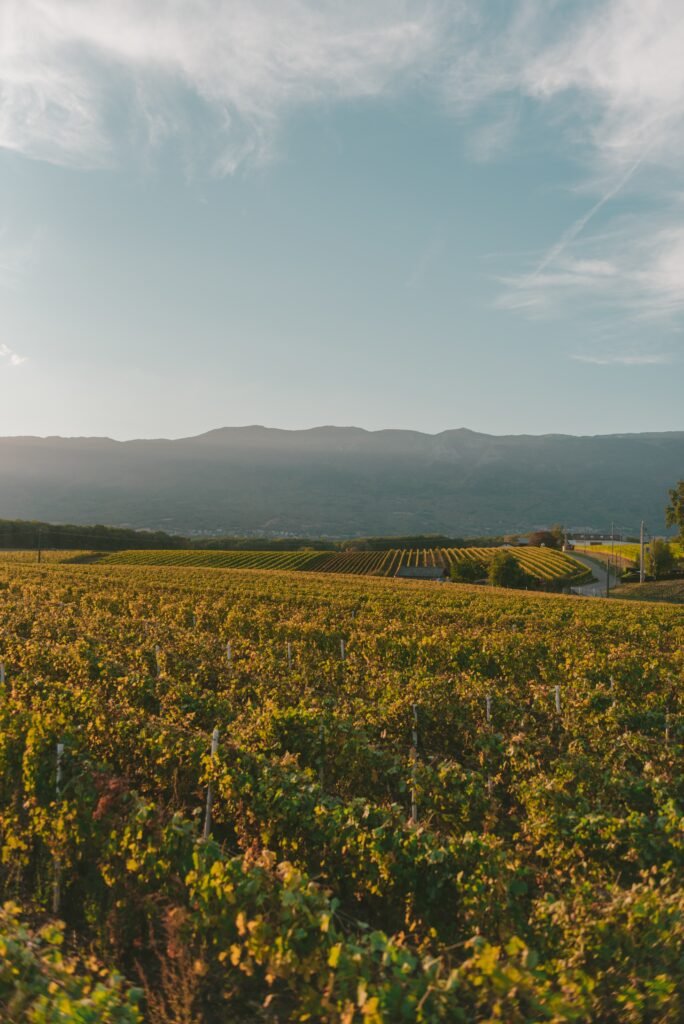
The wine regions
Vayots Dzor
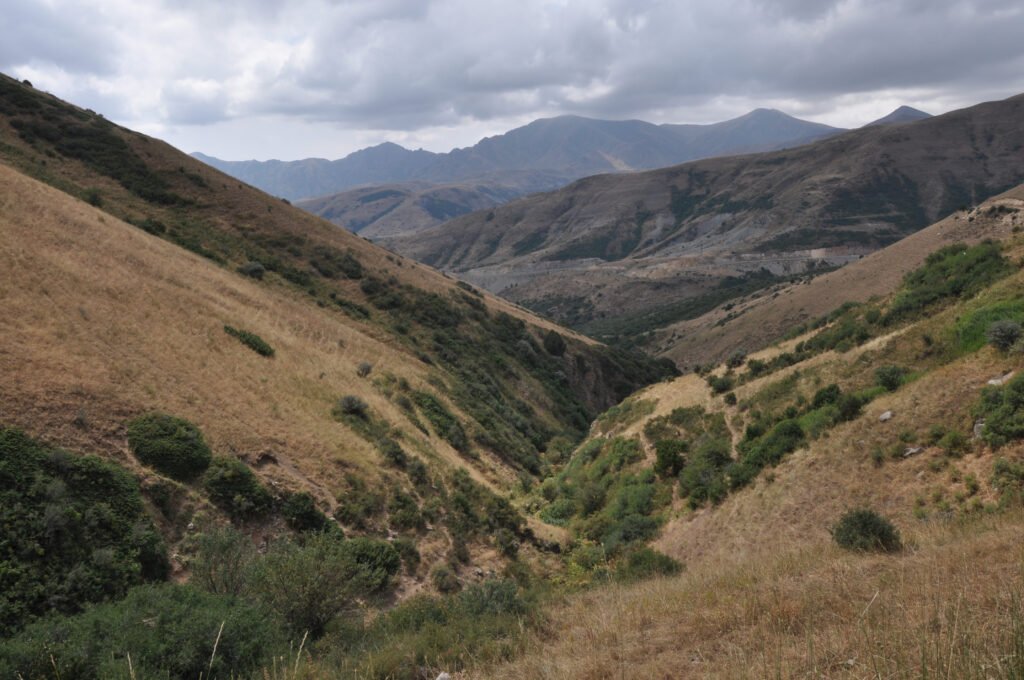
The heartland, and the region every wine traveller should see. Dry, stony, volcanic and limestone soils, vineyards between 1,000 and 1,600 metres, and the villages of Areni, Rind, Aghavnadzor and Yeghegnadzor. This is Areni Noir country and it is also where the cave is. A full route through the valley is in our guide to Noravank and the Areni wine region.
Ararat Valley and Armavir
Flat, hot, fertile land under the gaze of Mount Ararat, at a modest 800 to 1,000 metres. Historically the volume region and the source of brandy grapes. Several large modern estates sit here, some of them handsome places to visit and easy to combine with a half day out of the city.
Aragatsotn
The slopes below Mount Aragats, north west of Yerevan, with black volcanic soil and cool nights. Good for whites and sparkling, and close enough to the capital for an afternoon.
Tavush and the north
Greener, wetter, forested, with a long tradition of home wine around Ijevan. Less polished commercially, more likely to end up drinking something out of an unlabelled bottle in somebody’s kitchen, which is not a criticism.
Karas: clay pots before they were fashionable
The karas is an Armenian clay vessel, buried to the neck, used for fermenting and storing wine for thousands of years. A few producers have gone back to it seriously, the best known being Zorah near Rind, whose Karasi bottling put Armenia back on international wine lists. The result is not a natural wine novelty. It is a texture and a savoury, slightly saline quality that oak simply does not give.
Visiting wineries
Most Armenian wineries are small. Some have a proper tasting room and a terrace, others are a cellar, a family and a table. Wineries in Vayots Dzor that receive visitors include Hin Areni, Trinity Canyon Vineyards, Old Bridge Winery, Momik Wines and Zorah. Closer to Yerevan you will find large estates in the Ararat valley and Aragatsotn, including Karas, Voskevaz, ArmAs and Van Ardi, plus Keush for traditional method sparkling.
Three things worth knowing:
- Book ahead. A day or two by email or messaging app. Several places open only for announced visitors.
- You need a driver. Armenia has a zero tolerance drink driving law and it is enforced.
- Eat. Most wineries will lay on food with notice, and a table of cheese, herbs, lavash and grilled meat on a terrace above the vines is the entire point.
Tastings in 2026 typically cost the equivalent of EUR 7 to EUR 20 per person. Our Khor Virap, Areni and Noravank tour covers the Vayots Dzor cellars with the driving solved.
Drinking wine in Yerevan
You do not have to leave the capital to drink well. Saryan Street, a short stretch behind the Opera, has become the city’s wine street, with bars spilling onto the pavement from late afternoon until well past midnight. In Vino, one of the first to open there, still has one of the deepest Armenian lists in the country and staff who will pour you four things by the glass to make a point.
Around it you will find natural wine bars, producer owned tasting rooms and restaurants with serious cellars. Expect roughly EUR 4 to EUR 8 for a good glass. There are more recommendations in our guide to Yerevan cafes, nightlife and where to stay and in things to do in Yerevan.
Wine festivals
Two are worth planning around. Yerevan Wine Days closes Saryan Street and the surrounding blocks, usually in spring, and turns the neighbourhood into an open air tasting with dozens of producers. The Areni Wine Festival happens in the village itself, usually in early October after harvest, and is a rougher, warmer, more rural affair with home winemakers ladling out of buckets alongside the commercial estates. Both shift dates year to year, so confirm before booking flights.
What to bring home
Buy at the winery if you can, or at a specialist shop in Yerevan rather than the airport, where the selection is thinner and the prices higher. A sensible haul:
- One serious Areni Noir from a single vineyard, around EUR 18 to EUR 30.
- One Voskehat with a few years of age.
- One karas aged red, because you cannot easily buy it at home.
- One bottle of Armenian brandy if you like spirits. It is a different tradition to wine and taken very seriously here.
Travellers entering the EU from Armenia can generally bring 4 litres of still wine and 1 litre of spirits over 22 percent without duty. Check your national customs rules, pack bottles in the middle of a case with clothes around them, and remember the hold bag weight limit before you get enthusiastic. Our Armenia travel costs guide has more on prices generally.
What to eat with it
Areni Noir with lamb khorovats, with grilled trout, with anything smoky off a wood fire. Voskehat with the herb heavy salads, with cheese, with dolma. Sweet wines and pomegranate wine tend to be tourist purchases rather than what locals drink, though there are honest sweet wines made from air dried grapes. See our Armenian food guide for the dishes and where to find them, and day trips from Yerevan for how the wine country fits into a week.
We build wine days for people who actually want to taste, not tick off a car park. Small cellars, a table outside, a driver who knows the roads. Have a look at our tours or tell us what you drink at home and we will pour you the Armenian equivalent.
Frequently asked questions
Is Armenian wine actually good?
The best of it is very good and genuinely distinctive, which matters more. Armenia grows indigenous grapes at high altitude and the modern industry, rebuilt from around 2007 onwards, has learned quickly. Expect fresh, savoury, medium bodied reds and textured whites rather than heavy blockbusters, and expect to find some rustic bottles too.
What is the main Armenian grape?
Areni Noir is the flagship red, grown mostly in Vayots Dzor at 1,000 to 1,600 metres. It gives pale, high acid, sour cherry scented wines with a dusty mineral finish. The most important white is Voskehat, meaning golden seed, which has quince fruit, real texture and enough acidity to age for several years.
How much does Armenian wine cost?
In a Yerevan shop a decent bottle runs roughly 4,000 to 12,000 dram, about 10 to 28 euros in 2026, and the very top bottles go higher. Restaurant markups are modest by European standards. Winery tastings usually cost the equivalent of 7 to 20 euros per person and are often deducted if you buy.
How much wine can I take home to the EU?
Travellers arriving in the European Union from Armenia can normally bring 4 litres of still wine and 1 litre of spirits above 22 percent duty free, plus the general value allowance. That is roughly five bottles of wine and one of brandy. Rules change, so check your own country's customs page before you fly.