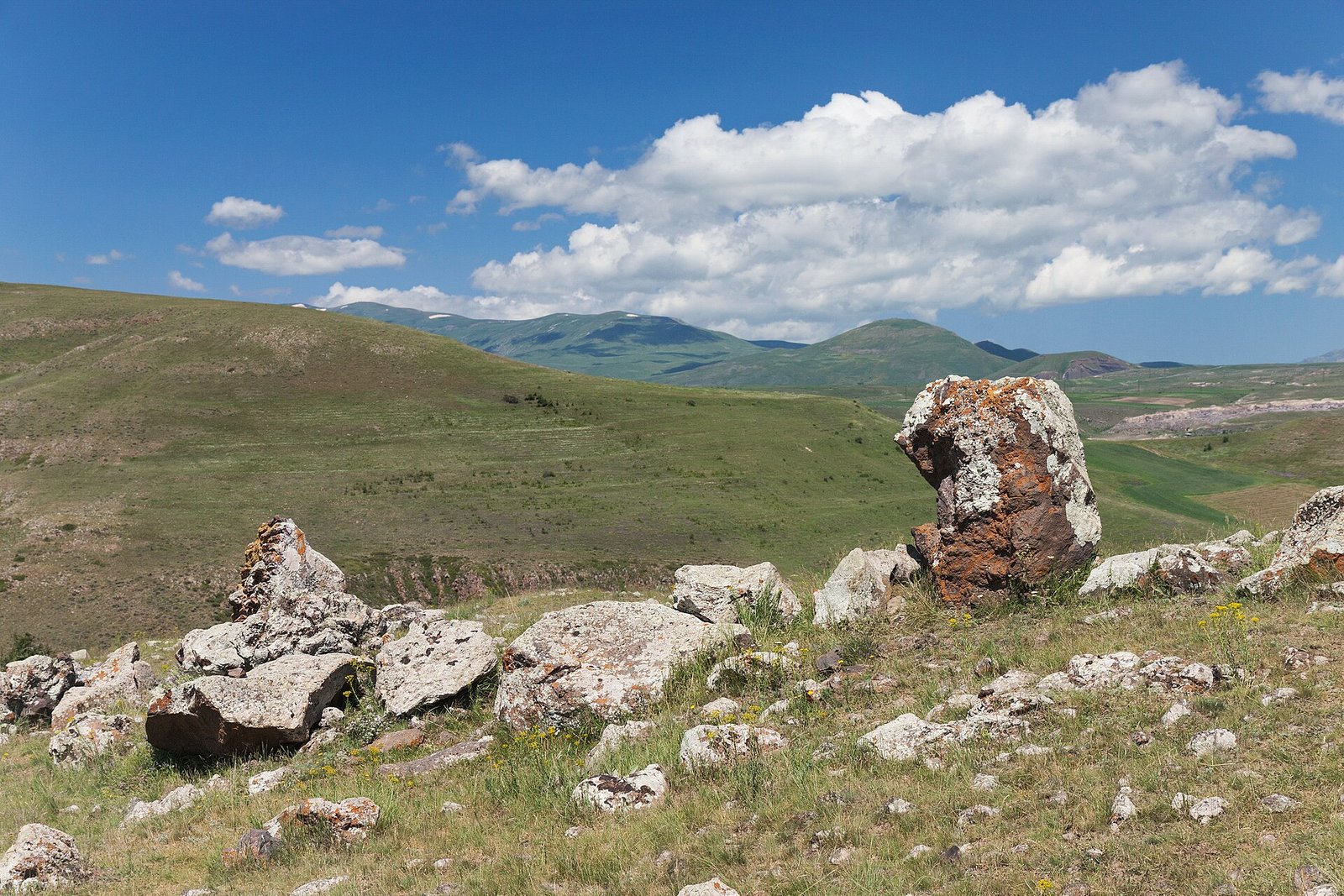
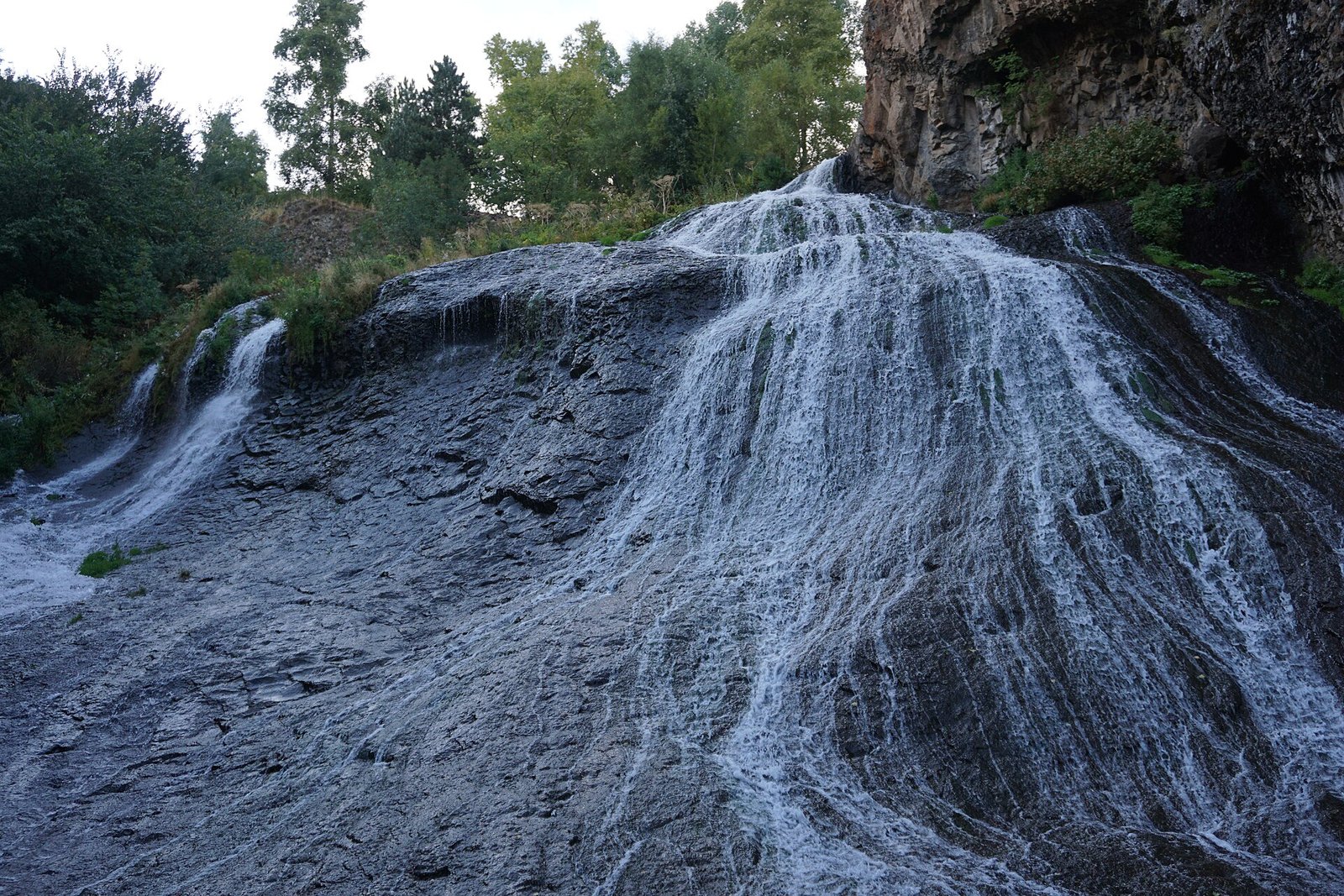
Jermuk Armenia is a mineral-water spa town at about 2,080 m in Vayots Dzor, roughly 170 km south-east of Yerevan, known for its hot springs, a waterfall of around 70 m and a forested gorge. It is worth a night if you like slow mountain towns, and a long day trip if you do not. The surrounding province adds wine villages, the Gndevank monastery, the Smbataberd fortress and the Selim pass with its medieval caravanserai.
| Question | Short answer |
|---|---|
| How far is Jermuk? | About 170 km from Yerevan; about 2.5 to 3 hours by car, around 4 hours by minibus. |
| Public transport | Marshrutkas from Yerevan’s Kilikia bus station, mostly in the morning. Confirm times locally. |
| Altitude | About 2,080 m, so cool nights even in summer. |
| Main sights | Jermuk waterfall (about 70 m), mineral water gallery, forest walks, Gndevank. |
| Spa culture | Sanatoriums and hotels with mineral baths and treatments; some offer day access. |
| Best season | June to September for easy travel; winter for skiing, see our skiing guide. |
| Time needed | One night is ideal; a long day trip is possible with a car. |
| Combine with | Selim Caravanserai, Gndevank, Areni and Noravank, see Noravank and the Areni wine region. |
What is Jermuk, and why do people go there?
Jermuk grew in the Soviet era into a health resort, and its identity still rests on mineral springs that come out of the ground hot and fizzy. The town sits on the edge of a gorge cut by the Arpa river, with pine and mixed forest on the slopes. Its population is only a few thousand, so outside the summer season it feels quiet, even sleepy.
Two things draw visitors. The first is the spa tradition: sanatoriums where guests take mineral baths and drinking cures. The second is simply the setting, a cool green mountain town in a region that is mostly dry hills and vineyards.
How does the Jermuk spa culture work for a visitor?
The old model is a stay of several days at a sanatorium with a medical programme: baths, drinking the water at set times, massage and rest. Many places now sell simpler packages, and some hotels offer mineral baths or day access. Treatments and prices vary a lot and change by year, so ask the hotel directly what is included.
The mineral water gallery in the town centre is the easy introduction. Several springs flow from stone outlets at different temperatures. The taste is salty and a little bitter for first-timers, and you only need a few sips. If you have a health condition, ask a doctor before drinking it regularly or booking a course of treatment.
Is the Jermuk waterfall worth the walk?
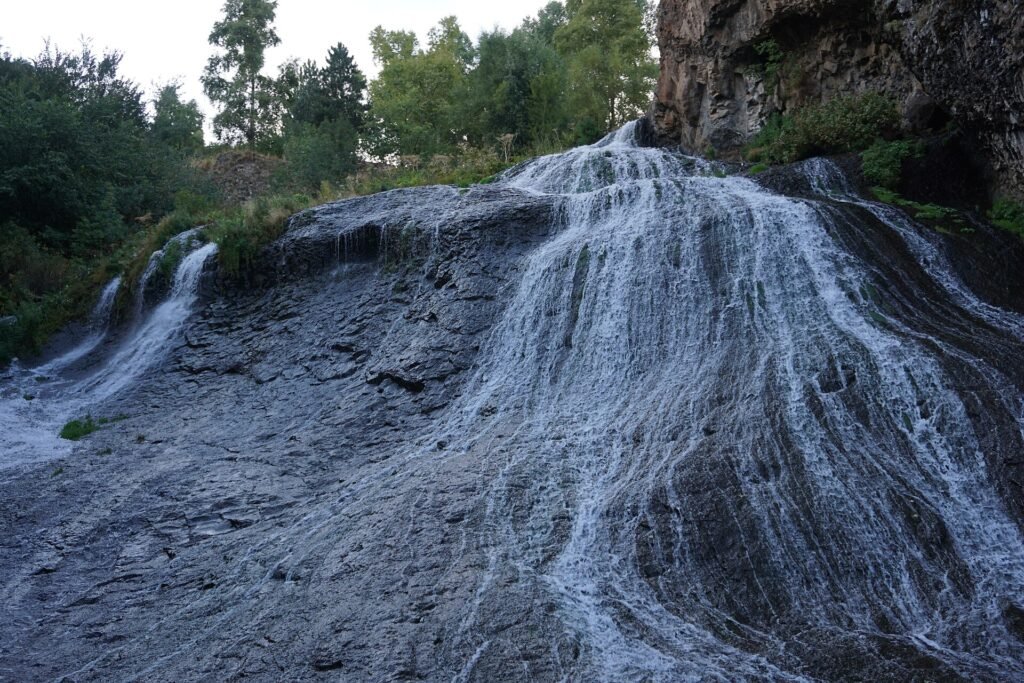
Yes, it is the single best reason to visit for non-spa travellers. The waterfall drops roughly 70 m over a cliff in the gorge, and you reach it by a short path through the forest. The flow is strongest in spring and early summer and thinner in late summer and autumn. A cable car or chairlift above town offers views, and in winter it works as part of the ski area, covered in our guide to skiing in Armenia. Check operating days locally before relying on it.
What else is near Jermuk: Gndevank and Smbataberd
Gndevank lies about 10 km from Jermuk on the Arpa river. It was founded in the 930s by Princess Sophia of Syunik and has a cross-dome church dedicated to St Stephen, a later gavit and carved khachkars. It is quiet and rarely crowded, and it is an easy half-hour stop on the road toward Vayk.
Smbataberd is a hilltop fortress at about 2,000 m between the villages of Artabuynk and Yeghegis. Scholars debate its dates, with some placing the first fortress in the 5th century and major building in the 10th and later centuries. The walls and towers are impressive and the views are wide. Access is through the main gate, and the approach can be rough, so ask locally about road conditions.
The Selim pass and Selim Caravanserai
The Selim (Vardenyats) pass crosses the mountains between Vayots Dzor and the Lake Sevan basin at about 2,410 m. On its southern side stands the Selim Caravanserai, built in 1332 by Prince Chesar Orbelian and his family. Inside, the stone roof is supported by arches and a central skylight, and the building is among the best-preserved caravanserais in the region. The pass can have snow and fog from late autumn, and the road is closed or difficult at times in winter.
If you are driving between Lake Sevan and Vayots Dzor, Selim is the natural stop. Read more in our southern Armenia road trip guide.
Vayots Dzor towns: Yeghegnadzor and Areni
Yeghegnadzor, about 123 km from Yerevan at roughly 1,200 m, is the main town of the province and a practical base for visiting Noravank, Areni and the nearby fortresses. Areni is the wine village: vineyards, tasting rooms and the cave where ancient wine-making evidence was found. Our guide to Armenian wine explains what to try, and the Noravank and Areni page covers the red cliffs and harvest season.
How do you get from Yerevan to Jermuk?
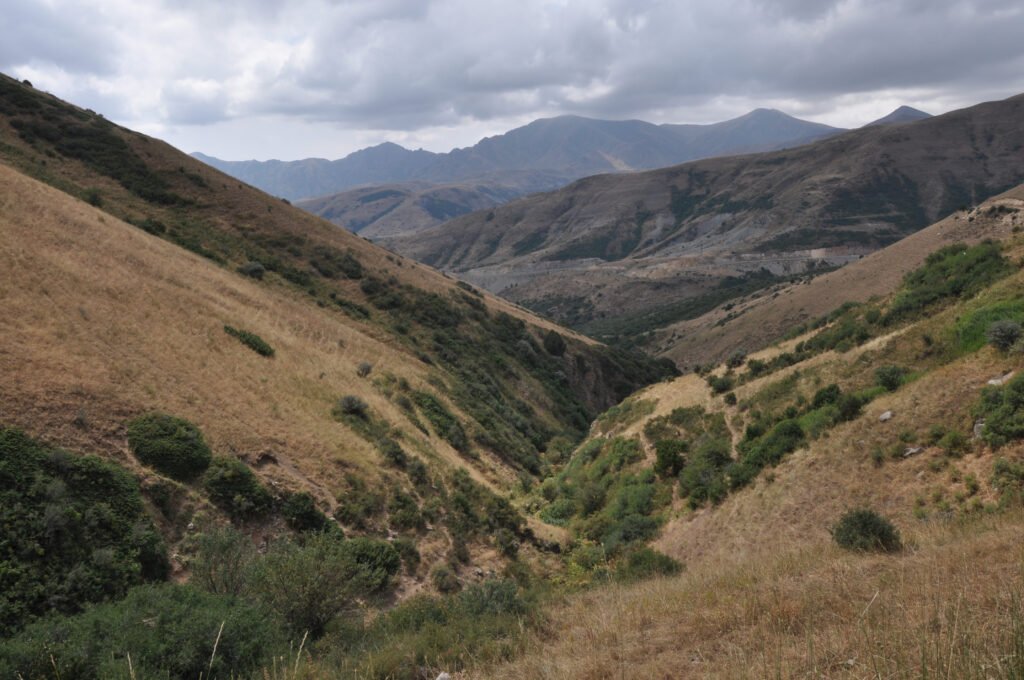
- By car: about 2.5 to 3 hours via the main southern road and Vayk, then the mountain road up to Jermuk. See driving in Armenia for rental tips.
- By marshrutka: from the Kilikia (Southern) bus station, mostly morning departures, about 4 hours. Ask the driver where the return stop is.
- By taxi: practical for a day with stops at Gndevank or Areni; agree the price and waiting time first.
- By tour: easiest if you want Jermuk plus Selim or Areni in the same day.
There is no train to Jermuk. Without a car, plan a night in town rather than a same-day return.
What does a day in Jermuk look like?
A simple plan for an overnight stay: arrive by late morning, walk to the mineral water gallery and try the springs, have lunch in town, then spend the afternoon on the forest path to the waterfall. Next morning, drive or taxi to Gndevank before heading on to Vayots Dzor. If you have no car, the town itself is walkable and compact, and the waterfall path starts within easy reach.
Bring layers and proper shoes. Paths in the gorge can be wet, and evenings at this altitude are cool even in July. Restaurants are mostly hotel-based, with a few cafes in the centre, and opening hours shrink outside the main season, so ask your hotel about dinner.
Where should you stay, and when should you go?
In Jermuk, choose between large sanatorium-style hotels, smaller hotels and guesthouses. Rooms book up in July and August and around holidays, so reserve ahead in summer. In Vayots Dzor, Yeghegnadzor and Areni have guesthouses and small hotels. Our guide to where to stay outside Yerevan compares the options. June to September is the comfortable window, May and October are quiet, and winter suits skiers who accept cold roads.
Is Jermuk worth it for non-spa travellers, and who should skip it?
An honest view: Jermuk is pleasant, not spectacular. Travellers sometimes say the town feels dated, that sanatorium food and service can be basic, and that the transport is awkward without a car. If you have only one day for Vayots Dzor, Noravank and Areni will give you more than Jermuk. If you have two or three days, a night in Jermuk with the waterfall and Gndevank makes a good change of pace.
- Go if you like quiet mountain towns, forest walks and mineral water.
- Add it if you are driving between Sevan and Vayots Dzor or heading to Syunik.
- Skip it if you only have a day and want big historic sights, or if you need nightlife.
If you would rather not manage the marshrutka times and mountain roads, our small-group and private tours can combine Jermuk, Gndevank and Vayots Dzor into one route. Browse our tours We can also build a one-night Jermuk stop into a longer southern itinerary.
Frequently asked questions
How far is Jermuk from Yerevan?
Jermuk is roughly 170 km from Yerevan. By car it takes about 2.5 to 3 hours, depending on the road works and how often you stop. By public minibus the same trip is closer to 4 hours, and departures are limited, so check the timetable the day before.
Is there a marshrutka from Yerevan to Jermuk?
Yes. Minibuses run from Yerevan's Kilikia (Southern) bus station, mostly in the morning, and the journey takes around 4 hours. Schedules change by season, so confirm departure and return times locally. A return the same day is possible but tight; most people stay at least one night.
Is Jermuk worth visiting if I am not into spas?
It can be, as a 1 to 2 night stop. You get the waterfall, a pleasant forest walk, the mineral water gallery, Gndevank nearby and cool mountain air. If you only want sights and have little time, Noravank and Areni give more per hour. Jermuk rewards slow travellers.
When is the best time to visit Jermuk?
June to September is warm and the easiest, with cool nights at 2,080 m. May and October are quiet and can be rainy. Winter brings snow and skiing, but roads can be tricky. Bring warm layers in every season.
Can you drink the mineral water in Jermuk?
Yes. The town's gallery has taps of naturally flowing mineral water at different temperatures, and visitors usually sip small amounts. The water is salty and slightly carbonated. People with health conditions should ask a doctor before drinking it regularly or booking treatments.