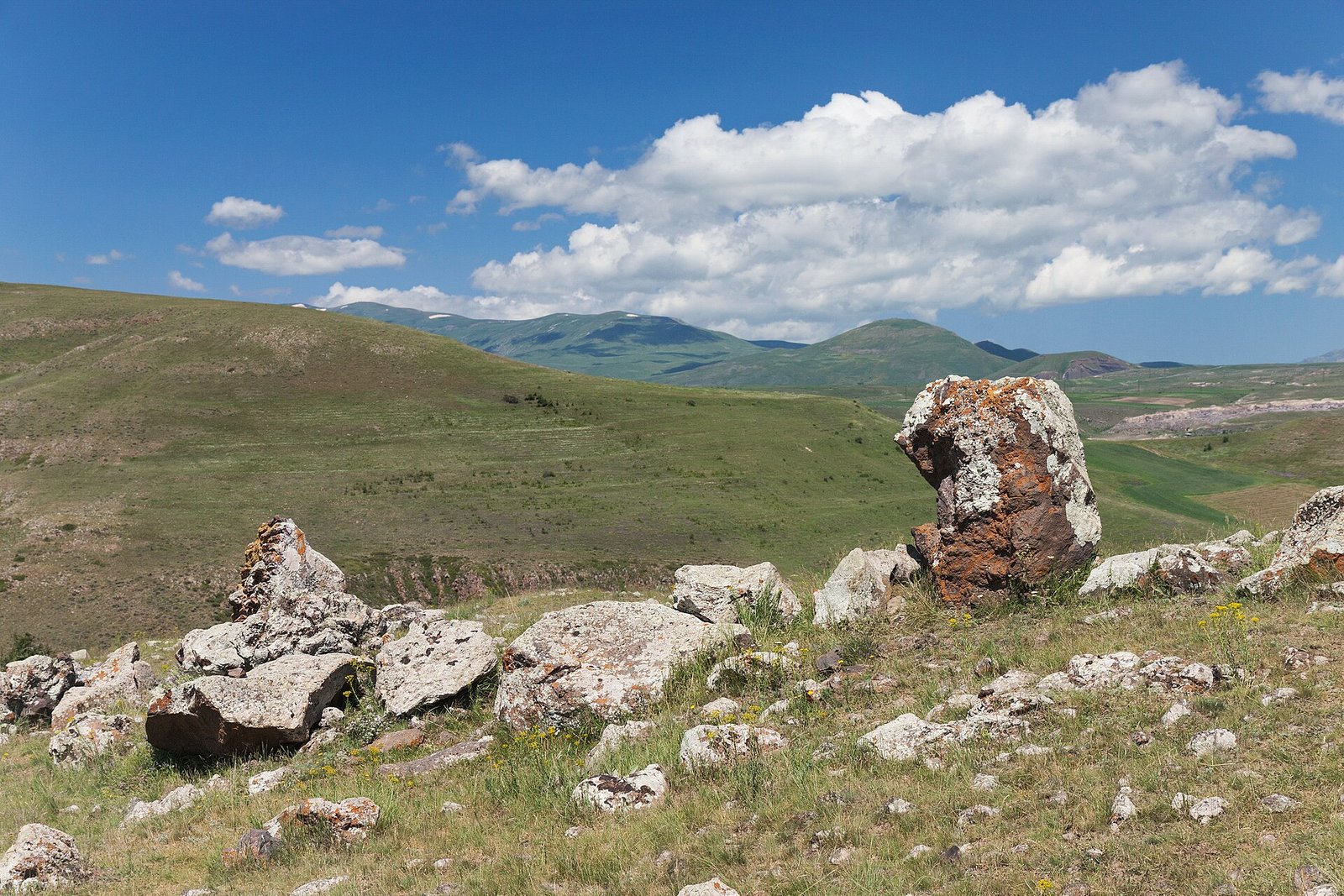
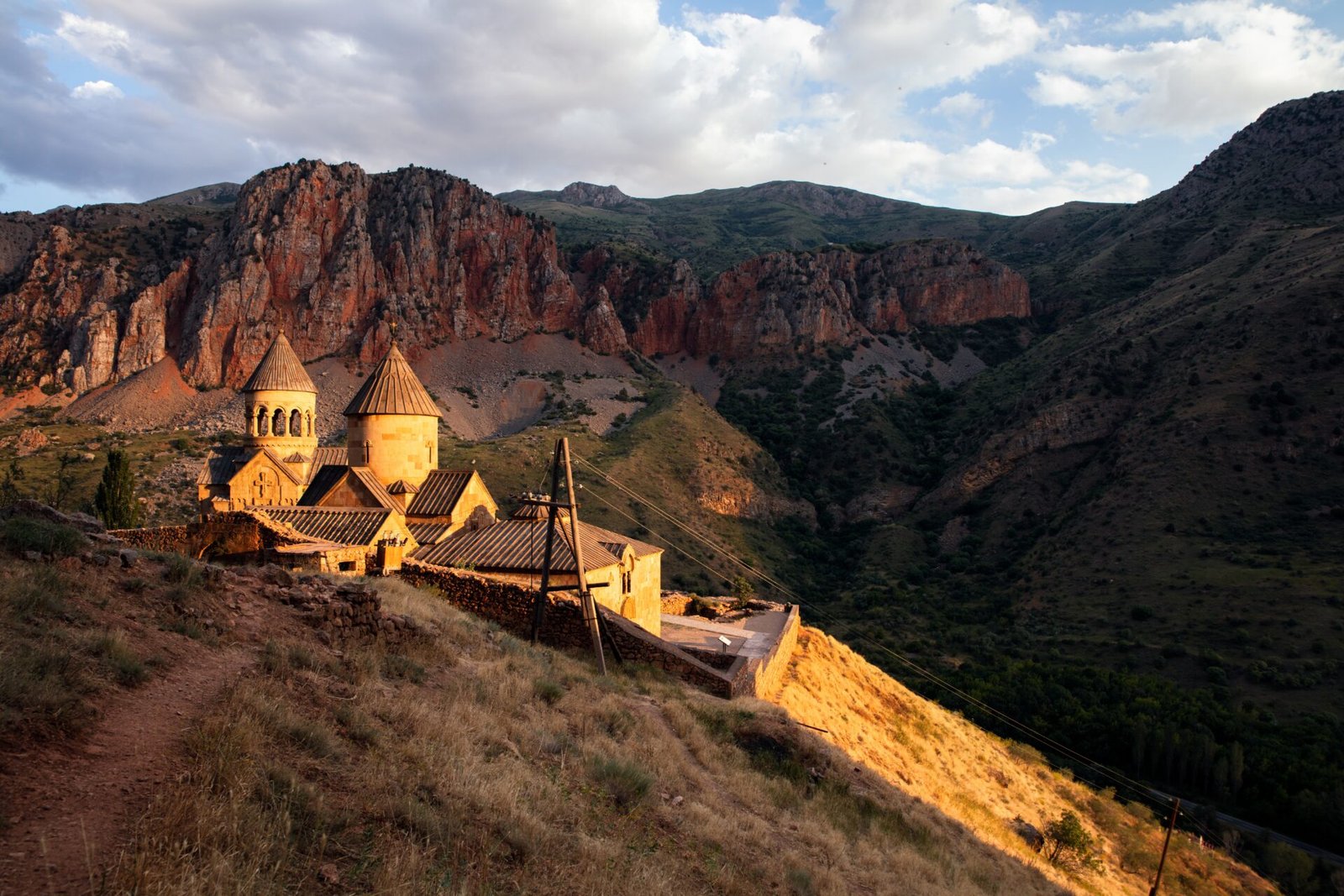
A good Armenia packing list is shaped by two facts: the country sits high, between roughly 900 and 2,000 metres where you are likely to travel, and the temperature swing between a July afternoon in Yerevan and the same evening at Lake Sevan can be twenty degrees. Pack in layers, bring shoes that cope with old stone, and the rest is detail.
| Practical detail | What to know |
|---|---|
| Plugs and voltage | Types C and F, 230V, 50Hz. Identical to Germany, Italy and most of Europe. No adapter needed for EU travellers. |
| Tap water | Safe and good. Public pulpulak fountains everywhere are safe to drink from. |
| SIM and eSIM | Team Telecom, Viva and Ucom. Tourist SIM a few euros, eSIM available. Passport needed. |
| Altitude | Yerevan around 1,000m, Lake Sevan around 1,900m, mountain passes above 2,300m. Strong sun, cool evenings. |
| Monastery dress | Shoulders and knees covered. No headscarf required for women. |
| Pharmacies | Plentiful, well stocked, several open 24 hours in Yerevan. Many medicines available without prescription. |
| Emergency number | 911 works nationwide. |
Clothing by season
Summer, June to early September
Yerevan in July and August is genuinely hot, regularly 35 degrees and sometimes touching 40. It is a dry heat rather than a humid one, which helps, but the city holds it into the evening. Bring light natural fabrics, a hat, sunglasses and high factor sunscreen. The sun at this altitude is considerably stronger than it feels.
Then pack a fleece or a light jacket anyway, because Lake Sevan, Dilijan, Tatev and the mountain passes are ten to fifteen degrees cooler, and an evening at 2,000 metres needs sleeves. Bring one long sleeved shirt and one pair of long trousers for monasteries even if the rest of your bag is shorts and vests.
Spring and autumn, April to May and late September to October
These are the best months to visit and also the most variable. A single day can start at eight degrees and reach twenty five. Layering matters more here than in any other season: a t shirt, a long sleeve, a fleece and a light waterproof shell will cover almost everything. April and May bring showers, particularly in the north around Dilijan and Lori. October is usually dry, golden and perfect.
Winter, November to March
Yerevan winters hover around freezing with periodic snow, and the mountains get serious cold and real snow depth. Bring a proper insulated coat, gloves, a hat and boots with grip, because pavements and monastery flagstones ice over. Indoor heating is generous to the point of tropical in restaurants and hotels, so dress in layers you can shed. Our guide to Armenia in winter covers what is open and what is not.
Shoes: the thing people get wrong
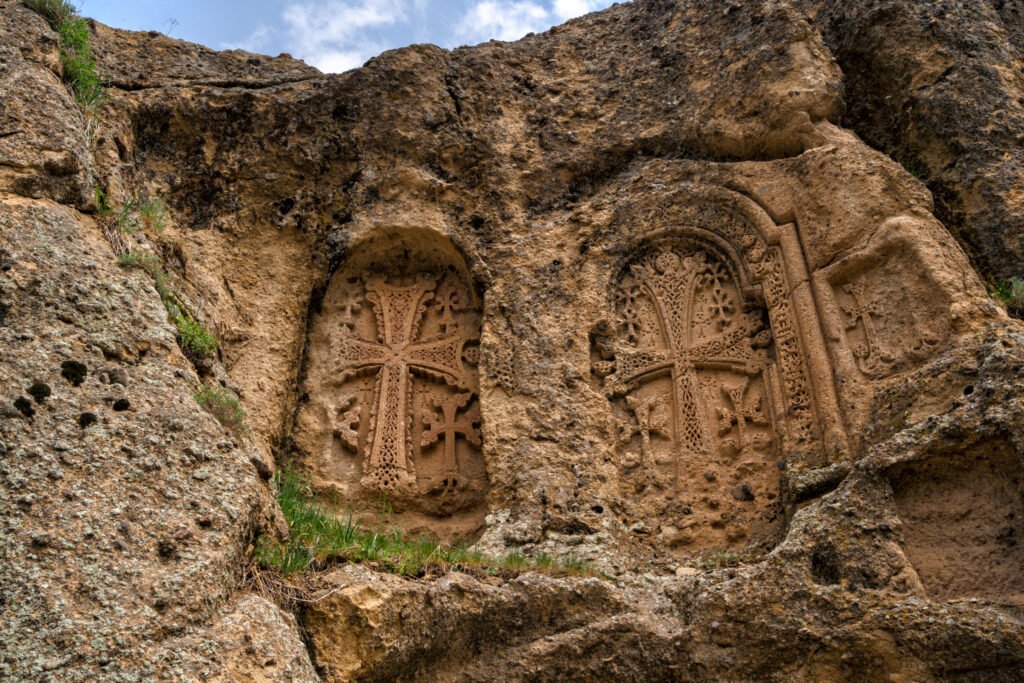
More visitors regret their footwear than any other packing decision. Armenian monasteries have floors of stone worn glassy by eight hundred years of feet, often damp, sometimes on a slope. Yerevan pavements are uneven. Village roads are gravel. Sandals with a smooth sole are a bad idea at Geghard.
Bring one pair of trainers or light walking shoes with a real grip pattern, comfortable enough for a full day. If you plan any hiking, whether the Dilijan trails, Mount Aragats or the paths around Tatev, add proper boots with ankle support, as detailed in our hiking in Armenia guide. A second lighter pair for evenings is plenty. You do not need more than two pairs for a two week trip.
Dressing for monasteries and churches
Armenia is a working religious country, and its monasteries are not museums. People come to light candles, baptise children and mark anniversaries. Dressing respectfully costs nothing and is noticed.
The rule is simple: shoulders and knees covered, for men and women alike. Long trousers or a skirt below the knee, and a top with at least short sleeves. Unlike in Greece, Russia or Georgia, women are not expected to cover their heads in Armenian Apostolic churches, though older women often do and a light scarf is a useful thing to carry regardless, doubling as sun protection and an extra layer at altitude.
A few practical notes. Do not turn your back on the altar when leaving; people step back a pace or two first. Keep your voice down and your phone silent, especially if a service is under way. Photography is usually fine but ask before photographing people at prayer, and look for signs at the more visited sites. Our guide to Armenian culture and etiquette goes deeper, and our list of the best monasteries in Armenia tells you which ones are busiest.
Staying connected: SIM cards and eSIM
Armenia has three mobile operators: Team Telecom, Viva and Ucom. All three sell tourist prepaid packages that cost the equivalent of a few euros for a week or two with generous data, often tens of gigabytes. You can buy at the airport on arrival, which is convenient but usually a little more expensive, or at any operator shop in town. Bring your passport, because registration is required.
eSIM is now widely available. Armenian operators offer it directly, and the usual international eSIM providers cover Armenia too, sometimes at a higher price per gigabyte than a local SIM but with the advantage of being set up before you land. If your phone supports dual SIM with eSIM, activating one for the flight over is the smoothest option.
Coverage is strong across Yerevan, the main towns and the major roads. It weakens in mountain valleys, in parts of the deep south and on some hiking routes. Roaming charges from EU plans do not apply here, so Armenia is outside your home bundle, another reason to sort out a local option.
Power, plugs and charging
Armenia uses the European round two pin sockets, types C and F, at 230 volts and 50 hertz. If you are travelling from Germany, Italy, Austria, France, Spain or almost anywhere on the continent, your chargers plug straight in with no adapter. British, Irish, American and Australian visitors need a standard European adapter.
Power is reliable in cities. In remote guesthouses and mountain villages, brief outages happen, particularly in winter storms. A power bank is worth carrying, mostly because a phone running maps and photos all day at altitude drains faster than you expect.
Water, food and stomachs
Tap water in Armenia is genuinely good. It comes from mountain springs, it tastes clean and Armenians drink it without a thought. The pulpulak, the small public drinking fountains that run continuously on street corners in every town, are part of daily life and are safe. Carry a reusable bottle and refill as you go; buying bottled water here is unnecessary and slightly silly.
Food hygiene is good and stomach trouble is uncommon. The main risks are the ordinary ones: over ambitious portions of khorovats, a lot of rich dairy, and the enthusiasm of Armenian hosts with homemade fruit vodka. Wash market fruit, and in very remote villages ask before drinking from a private well rather than a mains tap.
Altitude and sun
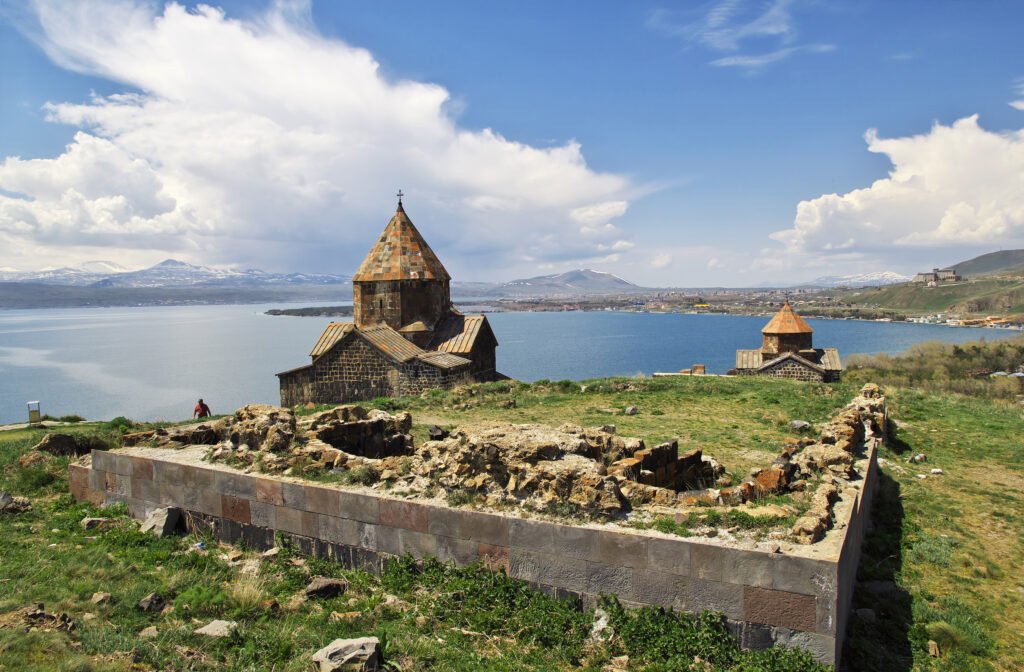
Armenia is a high country and this affects how a trip feels. Yerevan sits at around 1,000 metres, Lake Sevan at nearly 1,900, the Selim and Vorotan passes above 2,300, and Mount Aragats reaches over 4,000. Nobody gets altitude sickness on a standard itinerary, but you will notice three things: the sun burns faster, evenings cool dramatically once it sets, and a steep climb leaves you more out of breath than it would at home.
Practical response: sunscreen and a hat even on cool days, a warm layer in your daypack regardless of the forecast in the capital, and plenty of water. If you plan to walk on Aragats or camp at altitude, allow a day at Sevan or Dilijan first and do not rush the ascent.
Pharmacies and medical basics
Armenian pharmacies are excellent, plentiful and cheap. Chains are visible on almost every shopping street in Yerevan and several operate 24 hours. Pharmacists frequently speak Russian and often some English, and many medicines that require a prescription in Germany or Italy are available over the counter here.
Even so, bring your own prescription medication in its original packaging with a copy of the prescription, since specific brands can be hard to match. A small kit covering painkillers, rehydration salts, blister plasters, antihistamine and any motion sickness tablets you might need on the southern mountain roads is enough. Travel insurance that covers hiking is worth having if you plan anything above the easy trails. Private clinics in Yerevan are good and affordable by European standards.
Apps worth downloading before you fly
- GG and Yandex Go for taxis. GG is the Armenian app and the most widely used; both fix the price before you accept.
- An offline map app. Organic Maps or Maps.me have good coverage of Armenian hiking trails and village roads that mainstream maps miss.
- Google Maps for Yerevan public transport, which now has live bus data.
- Google Translate with the Armenian pack downloaded. Camera translation of restaurant menus and bus signs in Armenian script is genuinely useful.
- Telegram. Widely used locally, and many guesthouses and drivers prefer it to email or phone calls.
- Your banking app, with travel notifications set, plus a currency converter for dram.
Travelling with a guide means someone else worries about which road is closed, which monastery needs long sleeves and where the good bakery is. Our small group and private trips cover the whole country, from half days near Yerevan to a full week. See our Armenia tours, or start with the Garni and Geghard half day tour.
The actual packing list
Always
- Passport, plus a photo of it stored separately. Most nationalities enter visa free; check our visa and entry requirements page.
- Visa or Mastercard, plus some euro cash to change. Card acceptance is excellent in Yerevan and poor in villages.
- Reusable water bottle.
- Sunscreen, sunglasses, hat.
- Comfortable shoes with grip.
- One modest outfit for monasteries: long trousers or skirt, sleeved top, light scarf.
- Power bank and your normal European chargers.
- Small first aid kit and personal medication.
- A daypack, because most sightseeing involves leaving the car and walking.
Summer additions
- Light long sleeves for sun protection.
- A fleece or light jacket for Sevan, Dilijan and evenings at altitude.
- Swimwear if Lake Sevan or a Jermuk spa is on your route.
Winter additions
- Insulated coat, gloves, warm hat, thermal base layer.
- Boots with genuine grip for ice.
- Lip balm and moisturiser, because dry cold at altitude is harsh on skin.
Leave at home
- A travel adapter, if you are coming from continental Europe.
- Water purification tablets.
- Formal clothes. Yerevan dresses well but not stiffly, and nowhere you visit will require a jacket and tie.
- A large suitcase, if marshrutkas are in your plans. Soft luggage travels far better on minibuses.
A few last practical notes
Armenian plug sockets sometimes sit low behind furniture in older buildings, so a short extension lead is a minor luxury. Photocopies of documents are still requested occasionally at rural guesthouses. Shops generally open late, around ten, and stay open until late evening, which suits a slow start. Sunday reduces marshrutka frequency but not much else.
Finally, leave space in your bag. Armenian dried fruit, apricot preserve, herbs, coffee, obsidian and a bottle or two of Areni wine are the souvenirs people actually use once home, and none of them are things you will want to leave behind for want of a spare kilo. For what all of this costs, see our guide to Armenia travel costs, and for moving between it all, our guide to getting around Armenia.
Frequently asked questions
What plug adapter do I need for Armenia?
Armenia uses the standard European round two pin sockets, types C and F, with 230 volts at 50 hertz. Travellers from Germany, Italy, Austria and most of continental Europe need no adapter at all. Visitors from the UK, Ireland, the United States or Australia need a simple European adapter, and American devices also need to be dual voltage.
Can you drink the tap water in Armenia?
Yes, tap water in Yerevan and most Armenian towns comes from mountain springs and is safe and pleasant to drink. The public drinking fountains known as pulpulak, which run continuously on street corners across the country, are also safe and are how locals refill their bottles. In remote villages ask your host first, but the general rule is that Armenian water is a point of national pride and you can drink it.
What should I wear to visit Armenian monasteries?
Cover your shoulders and knees. Long trousers or a skirt below the knee and a top with sleeves are appropriate for both men and women. Women are not required to cover their heads in Armenian Apostolic churches, unlike in some Orthodox countries, though a light scarf is useful to have. Some larger sites keep wraps at the entrance for visitors who arrive in shorts.
Should I buy a local SIM card or an eSIM for Armenia?
Both work well. A local prepaid SIM from Team Telecom, Viva or Ucom costs only a few euros for a tourist package with plenty of data, and you can buy one at the airport or any operator shop with your passport. An eSIM is more convenient if your phone supports it, and Armenian operators now offer eSIM alongside international providers. Coverage is strong in cities and along main roads, patchier in mountain valleys.