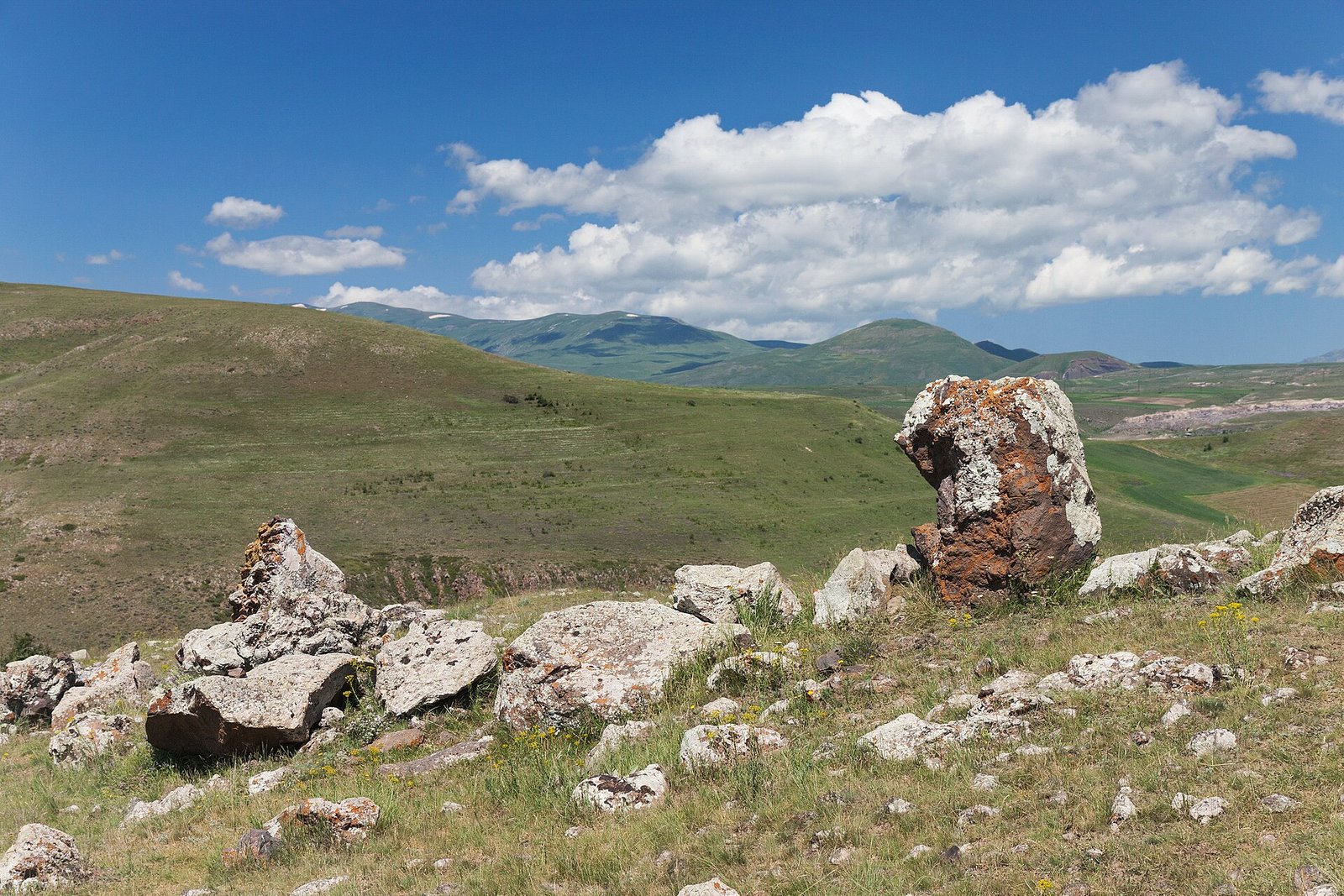
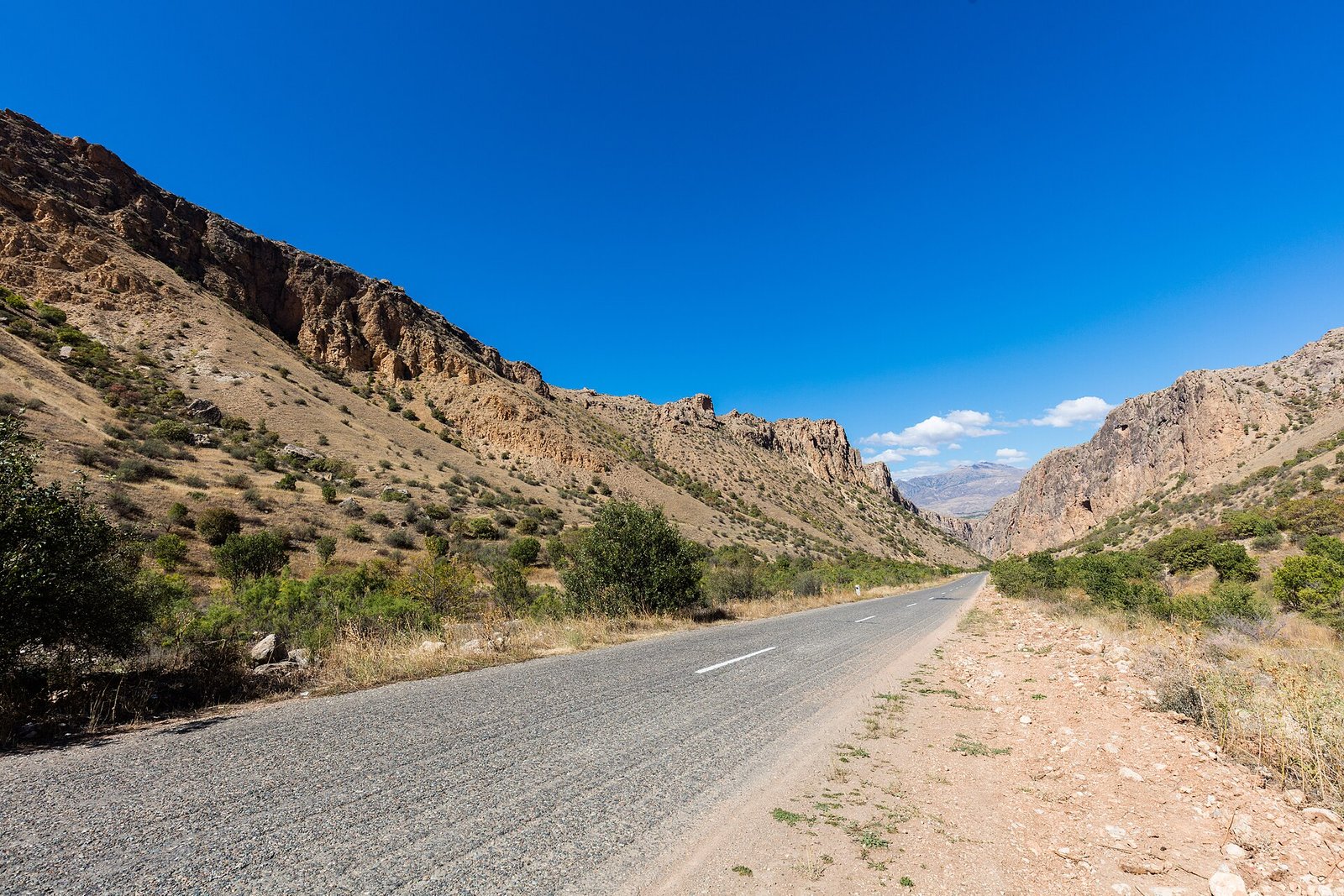
Driving in Armenia is worth it if you like flexibility and are comfortable with assertive local traffic: the main roads are decent, distances are short, and many of the best places (Noravank, Vayots Dzor, Syunik) are far easier by car than by marshrutka. It is not worth it if you want a relaxed first day after landing, or if you plan to be in the mountains between November and March. Here is the honest picture, from a team that drives these roads every week.
| Question | Short answer |
|---|---|
| Do I need a special licence? | Carry your national licence and an International Driving Permit; many rental firms ask for both. |
| Which side of the road? | Right-hand traffic, as in continental Europe and the US. |
| Typical speed limits | Roughly 60 km/h in towns and 90 km/h outside them, higher on a few motorway-grade stretches. Obey the signs. |
| Fuel | Petrol, diesel, plus CNG and LPG used by many locals. Stations are frequent on main roads. |
| Rental price in 2026 | Roughly 35 to 80 EUR a day depending on firm and car; check current quotes. |
| Do I need a 4×4? | Not for the classic circuit; useful for high gravel tracks and winter. |
| Georgia in a rental car? | Often prohibited or restricted; get written permission first. |
| Best season | May to October. Winter needs snow tyres and flexibility. |
Is driving in Armenia crazy?
This is the question that fills Reddit threads, and the answer sits between the two camps. Nobody is driving on the wrong side, and in daylight on the Yerevan to Sevan, Yerevan to Garni or Yerevan to Vayots Dzor roads, a calm driver will be fine. What surprises visitors is the style: tailgating, overtaking on blind curves, lane markings treated as suggestions, and pedestrians stepping out in towns. Travellers on Reddit and TripAdvisor tend to say the same thing: the first hour in Yerevan is the hardest, and the countryside is easier than the capital.
A practical rule: leave Yerevan outside the morning and evening rush, stay in your lane, let faster drivers pass you, and do not try to match local speed. If you are nervous, spend your first day in Yerevan on foot and metro, then collect the car when you leave the city.
What licence and documents do you need?
Check this directly with your rental company, because practice varies. The safe approach is to carry your original national licence plus an International Driving Permit, which your home motoring club issues cheaply before you travel. Some local firms accept a national licence in Latin script alone, but a police officer or an insurer may still ask for the permit, and an accident without the right paperwork can create problems with your insurance claim. Most firms require drivers to be at least 21 and to have held a licence for at least a year; some set a higher age for larger cars.
Also carry your passport (or a copy), the rental contract and the car registration papers. Police can ask for them at a stop.
Roads by region
Yerevan and the main highways
The Yerevan to Sevan highway and the roads towards Garni, Echmiadzin and Gyumri are generally in good shape. Expect speed cameras on the main highways and sudden changes of surface where repairs are patchy.
The south: M2, Vayots Dzor and Syunik
The M2 south from Yerevan passes Khor Virap and Areni and is mostly good. The short side road into the Noravank gorge is paved and narrow. Further on, the Vorotan pass towards Sisian and Goris climbs above 2,300 metres and can be foggy, icy or snowy outside summer. The Selim pass between Vayots Dzor and Lake Sevan crosses a high plateau and is often closed or hazardous in winter. We describe the full loop in our southern Armenia road trip guide.
The north and Lori
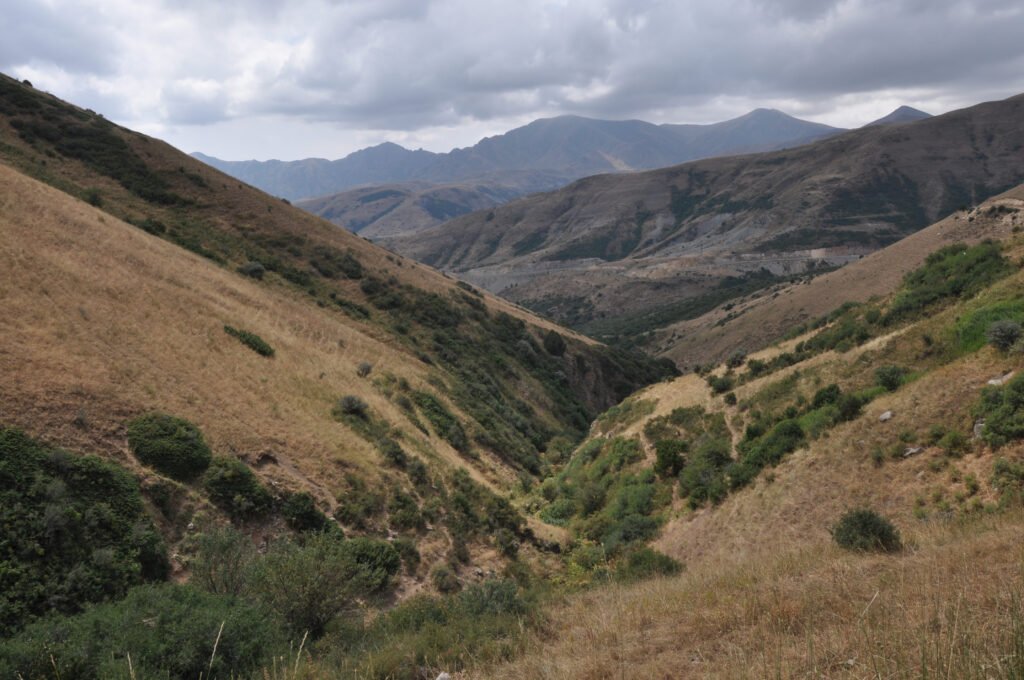
The road north through Dilijan and the Debed Canyon is scenic and twisty, with trucks heading to the Georgian border. Allow more time than the map suggests, and expect fog in the Dilijan forest.
Village and monastery roads
Many monastery approaches are paved but aged, with potholes and loose gravel. Unmarked turns, missing guard rails and livestock on the carriageway are normal. Slow down and enjoy it.
What travellers complain about
- Aggressive overtaking and tailgating, especially near Yerevan.
- Night driving: poor lighting, unlit tunnels, cows and sheep on rural roads, and vehicles without lights.
- Potholes and sudden surface changes after winter.
- Navigation apps sending you down a rough shortcut; if the track looks bad, turn back.
- Paying for a rental and then finding a damage dispute at return. Photograph and film the car at pickup.
- Winter surprises in the mountains when the forecast in Yerevan looks mild.
Winter driving and snow tyres
From roughly November to March, high routes such as Selim, Vorotan and the roads to Aragats and Jermuk can become snowy or closed. Winter tyres are expected when conditions are wintry, and a rental company in January should supply them; ask when you book. Studded tyres are not the norm. Even in Yerevan the roads can be icy at night. If you drive in winter, keep tank levels high, start early, and be ready to turn around. Our guide to Armenia in winter explains what else changes in the cold months.
Yerevan parking, police and navigation
Central Yerevan has paid parking zones. Look for signs and meters, or use the city parking app, and do not leave the car blocking pavements, junctions or other vehicles. Most hotels outside the centre offer free parking, and monastery sites usually have informal free parking.
Police stops happen. Be polite, show your licence, permit and rental papers, and ask for an official written record if a fine is issued. Keep a warning triangle, reflective vest and first aid kit in the car, as rental cars usually carry them. The legal alcohol limit is very low, so treat it as zero.
For navigation, Google Maps and Waze work well on main roads, and Yandex Maps is also popular locally. Download offline maps and a local eSIM before you set off; our guide to getting around Yerevan covers the city side, including taxi apps that make it easy to leave the car parked.
Local versus international rental companies
Roughly speaking, local agencies offer lower daily rates and flexible pickup (including at Zvartnots airport or your hotel), while international chains offer more standard contracts and sometimes better English paperwork. In 2026 expect something like 35 to 60 EUR a day for a compact from a local firm and 55 to 80 EUR from an international one; automatic cars cost extra and are less common than manuals. Treat every price as a guide and compare current quotes.
Deposit, insurance and excess
Ask four questions in writing: how large is the deposit and is it held on a card; what is the excess if the car is damaged; does the insurance cover tyres, glass and the underside; and are there limits on unpaved roads. Basic third-party liability is included by law, while collision cover often comes with a significant excess that you can reduce by paying more. Photograph the car, including wheels and underside, before leaving the lot.
Do you need a 4×4?
For the classic circuit of Garni, Geghard, Khor Virap, Noravank, Tatev, Sevan and Dilijan, a normal car is enough. A 4×4 or high-clearance SUV adds comfort on gravel tracks to alpine lakes, the upper Aragats road and remote villages, and is sensible for winter trips to the mountains. Many rental contracts forbid off-road use, so check what counts as off-road.
Can you take a rental car to Georgia?
Sometimes, but do not assume. Many Armenian firms either forbid it or require a written permission letter and a supplement, and the insurance may not extend across the border. If your trip continues to Tbilisi, it is often simpler to leave the car at the Yerevan end and take a bus or shared taxi: see our guide to Yerevan to Tbilisi.
Should you drive, hire a driver or join a tour?
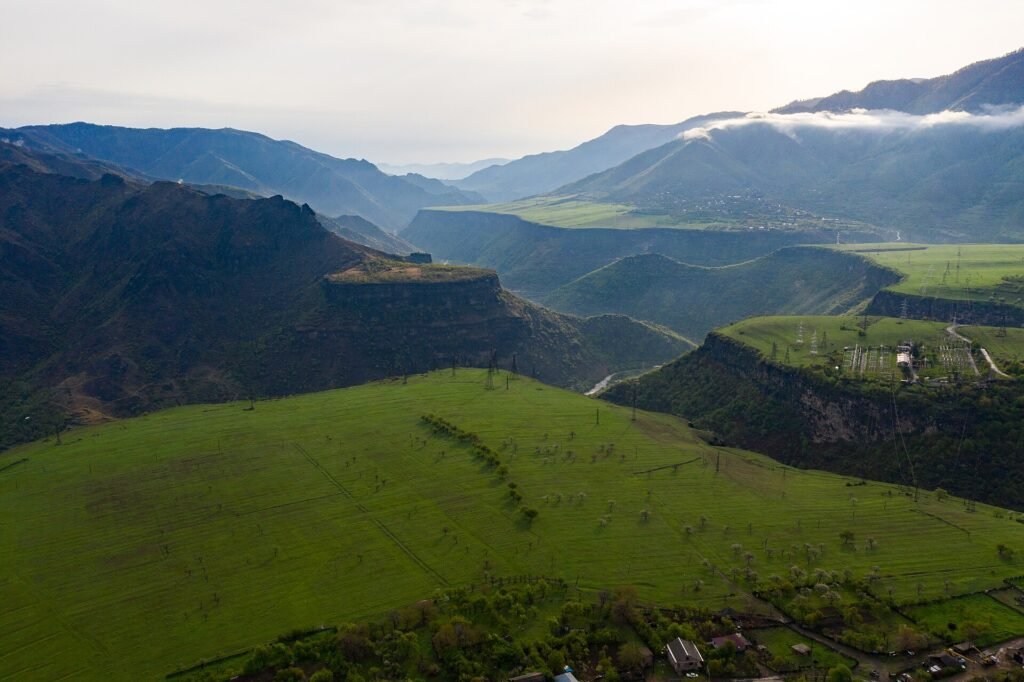
Drive yourself if you are an experienced driver, travel in a pair or a group, and want freedom. Hire a driver if you want to drink wine, nap in the back seat or visit places on the same day that are hours apart. Our team compares the options honestly in guided tour or DIY in Armenia, and our Armenia transport guide covers the public alternatives.
If you would rather not manage the roads, the deposit and the parking, our small-group and private tours cover the southern and northern routes with a local driver and guide. See our tours or tell us your dates and we will suggest what fits.
Frequently asked questions
Can I drive in Armenia with my national licence?
Most visitors are expected to carry their national licence plus an International Driving Permit, and some rental companies insist on it. Rules differ by country and by firm, so ask your rental company in writing before you arrive. Carry the original licence, not a photocopy, because police can ask for both documents.
Is driving in Armenia dangerous for tourists?
It is manageable but demanding. Main highways are decent, yet drivers overtake aggressively, mountain roads are narrow, and animals or potholes appear without warning, especially at night. Most visitors who drive carefully, avoid night driving in the regions and keep to daylight distances have an uneventful trip.
Do I need a 4x4 in Armenia?
Not for the standard route of Garni, Geghard, Khor Virap, Noravank, Tatev, Sevan and Dilijan. A normal car with decent ground clearance is enough. A 4x4 helps for high gravel tracks such as the upper Aragats roads, remote village tracks and winter trips in the mountains.
Can I take an Armenian rental car to Georgia?
Many Armenian rental firms prohibit it or charge extra and require a written permission letter, and the insurance often does not extend across the border. Ask before booking and get the permission in writing. Otherwise, rent separately in each country or take a bus between them.
What fuel do cars in Armenia use?
Petrol (usually 92 and 95 octane) and diesel are sold everywhere. Many local cars and taxis also run on compressed natural gas or LPG, but rental cars are normally petrol or diesel. Fill up in towns before long mountain stretches, as rural stations can be sparse.