Is Armenia safe? For the places travellers actually go, yes, and more so than most people expect. Yerevan is one of the calmest capitals in the region, petty crime against tourists is unusual, and hospitality is close to a national reflex. The honest caveats are the closed border strip with Azerbaijan, the driving, and the mountain weather. Here is the full picture.
The short answer from someone who lives here
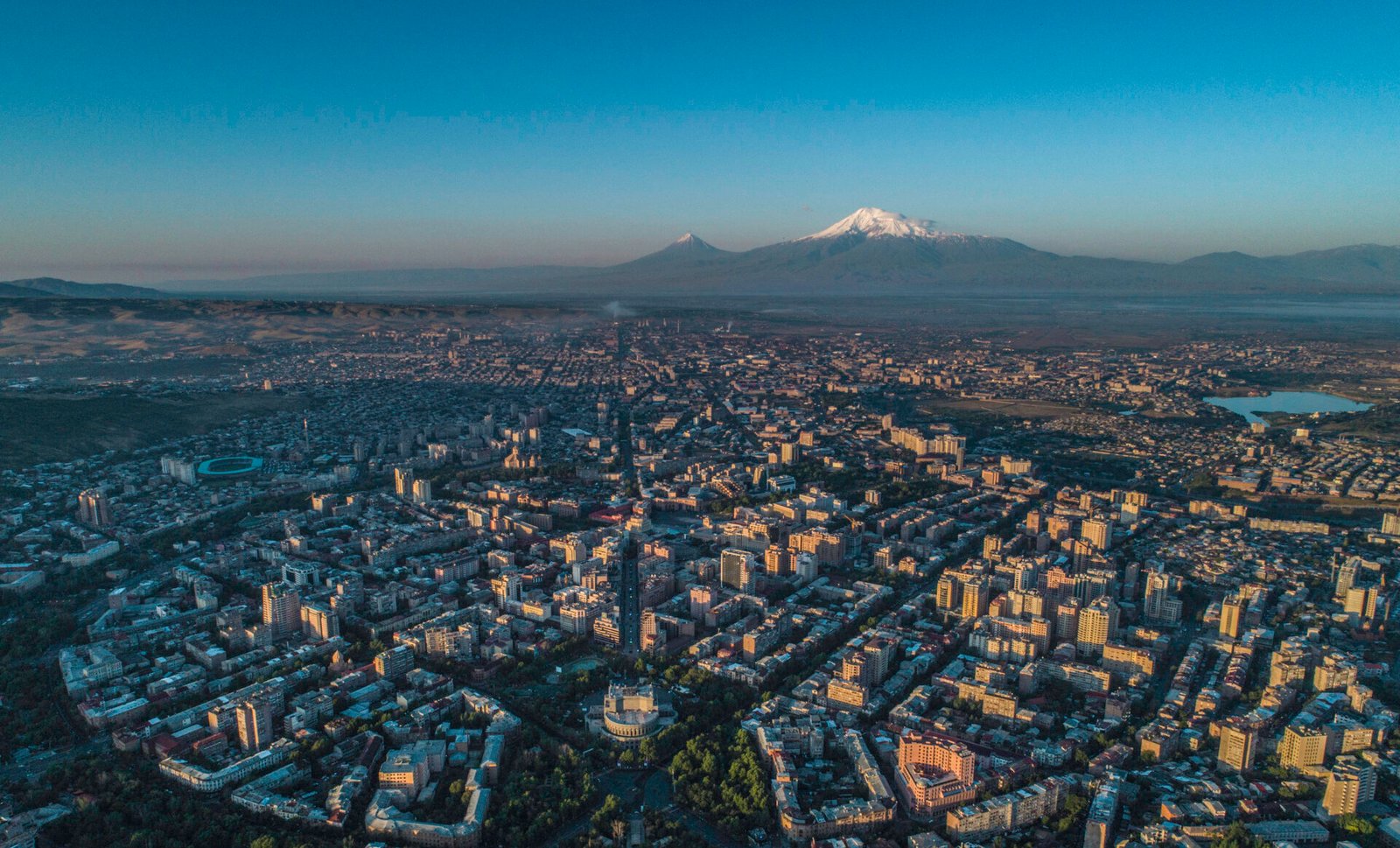
I walk home through central Yerevan at one in the morning without thinking about it. So does everyone else. In summer the parks are full of families at eleven at night, children running around the fountains while their grandparents drink coffee. That is the baseline you should have in your head when you picture Armenia: not a country you have to be brave to visit, but a country where the ordinary background hum of urban anxiety that many Europeans carry simply is not there.
That said, “safe” is not one question. It is five or six separate ones, and they have different answers. Crime is one thing. The geopolitical situation is another. Road traffic is, statistically, the thing most likely to actually hurt you. Let us take them in order.
| Question | Short answer |
|---|---|
| Street crime in Yerevan | Low. Violent crime against visitors is rare |
| Walking alone at night | Normal and widely done, in the centre and beyond |
| Borders with Azerbaijan and Turkey | Closed. Several ministries advise against the immediate border strip |
| Borders with Georgia and Iran | Open and used by travellers daily |
| Biggest practical risk | Road traffic, by a wide margin |
| Tap water | Drinkable in Yerevan and most towns |
| Vaccinations required | None for entry from Europe |
| Emergency number | 911 (police, ambulance, fire) |
Crime: what actually happens to visitors
Very little, is the truthful answer. Armenia consistently places near the top of Numbeo’s crowd-sourced safety rankings, usually inside the top ten countries worldwide, and while that index is built from user perception rather than police statistics, it matches what residents and long-stay visitors report. Armed robbery and violent street crime against foreigners are genuinely uncommon events here rather than daily background noise.
What does occasionally happen is dull and avoidable. Pickpocketing in the crush of Gum Market or a packed marshrutka. Taxi drivers at the airport quoting a fare four times the meter to someone who has just landed. The occasional overcharged bill in a tourist-facing restaurant on Northern Avenue. Use the Yandex Go or GG apps for taxis and the price is fixed before you get in, which removes the negotiation entirely.
Scams of the kind that plague some tourist cities, the fake petition, the friendship bracelet, the bar with the surprise bill, are not really part of the landscape here. The most likely unexpected thing to happen to you in Armenia is that a stranger insists on paying for your coffee.
The regional situation and the borders
This is the part that deserves a straight answer rather than reassurance.
Armenia’s land borders with Azerbaijan and with Turkey have been closed for decades. Armenia and Azerbaijan fought a war over Nagorno-Karabakh in 2020, and in September 2023 Azerbaijan took full control of the territory, after which effectively the entire Armenian population left for Armenia. Since then the two governments have been negotiating a peace treaty, agreed the text in 2025, and the process has continued through 2026 with border delimitation work and discussion of reopened transit routes. The treaty is not yet a settled, fully ratified, fully implemented fact, and the border remains closed.
What this means for you as a traveller is narrower than the headlines suggest. The sensitive areas are thin strips of land immediately along the Azerbaijani frontier, mainly in Tavush in the northeast, parts of Gegharkunik east of Lake Sevan, and Syunik in the far south near the Nakhchivan border and around the Goris to Kapan road. These are places with military positions, occasional incidents, and no reason for a tourist to be.
Everywhere you would realistically want to go is well away from them. Yerevan, Etchmiadzin, Garni and Geghard, Khor Virap, Lake Sevan’s western and northern shores, Dilijan, Gyumri, Areni and Noravank, Jermuk, Tatev: all comfortably clear. The one thing worth knowing is that the main north to south highway passes briefly close to the frontier near Voskepar in the north and in one stretch in Syunik, and there is now a bypass road in the south. Any competent local driver knows the current routing. If you are self-driving, do not follow an offline map blindly through a border zone, and if you see military positions, do not photograph them.
What foreign ministries currently say
Most Western foreign ministries take the same shape of position: no general warning against travel to Armenia, combined with a specific warning against the immediate border areas with Azerbaijan. The German Auswärtiges Amt has maintained a partial travel warning of exactly this kind, and the Italian Farnesina, through its Viaggiare Sicuri service, advises against travel in the frontier zones while treating the rest of the country as normal. British and American advice follows similar lines with slightly different mapping of which districts are included.
These pages are updated, sometimes at short notice, and I am writing this in September 2026. Check your own ministry’s current page before you book and again before you fly. That is not a disclaimer, it is the single most useful sentence in this article. Also register with your ministry’s traveller service if it has one, and check that your travel insurance does not void itself in areas your government advises against, because many policies do.
Traffic: the risk nobody worries about enough
If something is going to go wrong on your trip to Armenia, the odds are overwhelming that it involves a car. Armenia’s road fatality rate is well above the Western European average, and the driving culture explains why. Overtaking on blind mountain curves is normal. Lane markings are treated as suggestions. Pedestrian crossings do not confer the protection they do in Germany or the Netherlands, and drivers will turn across a crossing while you are on it.
Practical consequences. Wear a seatbelt in the back, which is not the local habit and which some drivers will find faintly insulting; do it anyway. Cross streets deliberately, making eye contact, and do not assume a stopping car will stay stopped. If you hire a car, be honest with yourself about mountain driving, and in winter do not attempt high passes like the road to Jermuk or Vayots Dzor without proper tyres. Our own guidance on getting around Armenia goes into the options in more detail, and for most first-time visitors a driver costs less than you would guess and removes the whole problem.
Health, water and food
No vaccinations are required to enter Armenia from Europe, though the usual routine boosters plus hepatitis A are sensible. Tap water in Yerevan is drinkable and genuinely good, coming from mountain sources, and the pulpulak, the small public drinking fountains on street corners, are safe, free and one of the nicer things about the city. In remote villages ask your host.
Food hygiene is generally fine. The things that catch visitors out are volume rather than bacteria: Armenian hospitality involves a great deal of food and a great deal of homemade fruit vodka, and both have consequences. Pharmacies are everywhere, well stocked and cheap, and many medicines that need a prescription in Germany or Italy are sold over the counter.
Medical care in Yerevan is decent, with several private hospitals used to treating foreigners, and inexpensive by European standards. Outside the capital, facilities thin out quickly. Take travel insurance that covers evacuation if you plan to hike seriously, and note that mobile coverage is good on main roads but patchy in the mountains.
Earthquakes and the mountains
Armenia sits in an active seismic zone. The 1988 earthquake that destroyed Spitak and much of Gyumri killed tens of thousands and is still a shaping memory in the north of the country. Small tremors happen; a noticeable one during a two-week trip is unlikely. Modern construction follows seismic codes. Knowing the basic drill, move away from windows, get under something solid, do not run for a stairwell, is all the preparation a visitor needs.
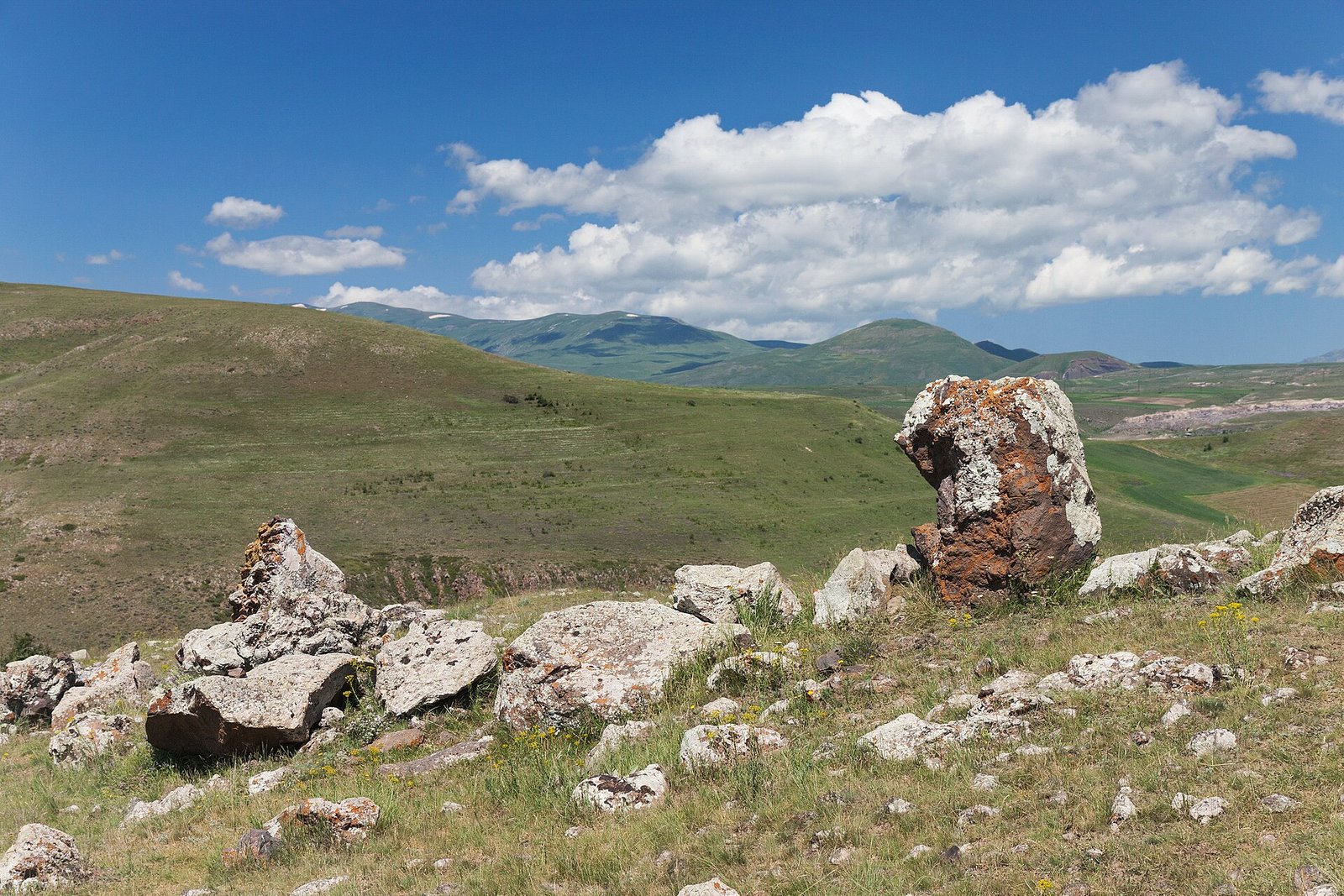
The mountains deserve more of your respect than the geology does. Weather in the highlands turns fast, afternoon thunderstorms are common in summer, and above 2,500 metres it can snow in June. If you are heading out on foot, read our notes on hiking in Armenia first, tell someone your route, and do not rely on phone signal. Shepherd dogs guarding flocks are a real and underrated hazard: do not approach the flock, stop, stand still, let the dog decide you are boring.
Solo travellers, women and LGBTQ+ visitors
Armenia is an easy and rewarding country to travel alone, and a large share of our guests do exactly that. Women travelling solo generally report feeling physically safe, including at night in Yerevan, while also encountering a fair amount of curiosity, questions about marriage, and occasional low-grade staring. We have written about that in detail in our guide to solo female travel in Armenia.
Armenian society is socially conservative, and while same-sex activity is legal, there is no legal recognition of same-sex partnerships and public attitudes are not warm. Yerevan has a small, quiet scene; open affection between same-sex couples in public is uncommon anywhere in the country and more likely to attract hostility outside the capital.
Precautions that are actually worth taking
- Check your own foreign ministry’s advice before booking and before flying, and confirm your insurance matches it.
- Use Yandex Go or GG for taxis rather than hailing at the airport or outside tourist sites.
- Wear a seatbelt, front and back, every time.
- Do not photograph military installations, checkpoints or border positions.
- Keep the closed frontier zones off your itinerary; nothing you want to see is there.
- Carry cash in smaller towns. Cards work well in Yerevan and unevenly outside it, as our costs and budget guide explains.
- Save 911 and your embassy’s number, and keep a photo of your passport on your phone.
- Accept the hospitality, decline the fourth glass of homemade vodka.
If you would rather have someone local handling the routing, the roads and the practicalities, that is exactly what we do. Have a look at our small-group and private tours for independent travellers, from a half day at Garni and Geghard to a full week across the country.
So, is Armenia safe enough for your trip?
For the overwhelming majority of visitors, the answer is yes, with the border strip excluded and the driving taken seriously. The gap between Armenia’s reputation abroad and the experience of being here is wide, and it is almost entirely in Armenia’s favour. People arrive braced and spend the first two days recalibrating.
If you are still deciding when to come, our best time to visit guide covers the seasons, and the full Armenia travel guide pulls the practicalities together in one place.
Frequently asked questions
Is Armenia safe for tourists in 2026?
For the places travellers actually go, yes. Yerevan, Lake Sevan, Dilijan, Garni, Geghard, Tatev and the main road south are calm, and street crime against visitors is rare. The exception is the immediate strip along the closed border with Azerbaijan, which several foreign ministries advise against. Check your own ministry's current page before you book.
Is it safe to walk around Yerevan at night?
Yes, and most visitors are struck by how relaxed it feels. Yerevan's centre is busy until well after midnight, families are out with children at eleven at night in summer, and the city is well lit. Ordinary caution applies around bars at closing time, but violent street crime is very uncommon.
Can I visit Armenia while the border with Azerbaijan is closed?
Absolutely. The land borders with Azerbaijan and Turkey have been closed for years, but Armenia is fully open by air through Yerevan's Zvartnots airport and by land from Georgia and Iran. The closure affects routing, not your ability to travel around Armenia itself.
Is the tap water in Armenia safe to drink?
Yes. Yerevan's tap water comes from mountain sources and is drinkable, and the public drinking fountains called pulpulak that you see on every other corner are safe and free. In remote villages ask your host, and if a place has been standing empty, let the tap run first.
Are earthquakes a real risk in Armenia?
Armenia sits in a seismically active region and the 1988 Spitak earthquake is still a living memory in the north. Noticeable quakes are rare during a normal trip. Modern buildings are built to seismic codes, and knowing the basic drill of getting away from windows and under something solid is all the preparation a visitor needs.