The best time to visit Armenia is late May to mid June or the whole of September, when days are warm, evenings cool and the landscape is at its best. But Armenia has a genuine four season climate with big swings between the Ararat valley and the mountains, so the right month really depends on what you want to do.
The short answer
| If you want | Go in |
|---|---|
| The all round best conditions | Second half of September |
| Green landscapes and wildflowers | Mid May to mid June |
| Mountain hiking above 2,500 m | July to early September |
| Wine, harvest and pomegranates | Late September to October |
| Snow, skiing and low prices | January and February |
| Swimming in Lake Sevan | July and August |
| Fewest other visitors | November to March |
Understanding Armenia’s climate
Armenia is small but vertical. Yerevan sits at about 990 metres in a dry valley that heats up hard in summer and can drop well below freezing in January. Lake Sevan is at 1,900 metres and is consistently eight to ten degrees cooler. Dilijan and the northern forests are greener, wetter and milder. The southern mountains around Tatev and Sisian have their own weather again.
In practice this means you can escape almost any weather by driving an hour. A 36 degree afternoon in Yerevan is a comfortable 25 degrees on the Sevan shore. A grey drizzle in Dilijan often means sunshine in the Ararat valley.
Spring: March to May
March
Winter is still holding in the mountains but Yerevan starts to thaw, with daytime highs around 11 to 14 degrees by the end of the month. The city cafes put their tables back out. Roads to Garni, Geghard, Khor Virap and Echmiadzin are fine, higher passes are not. Prices are still low. Bring layers and expect at least one cold, wet day.
April
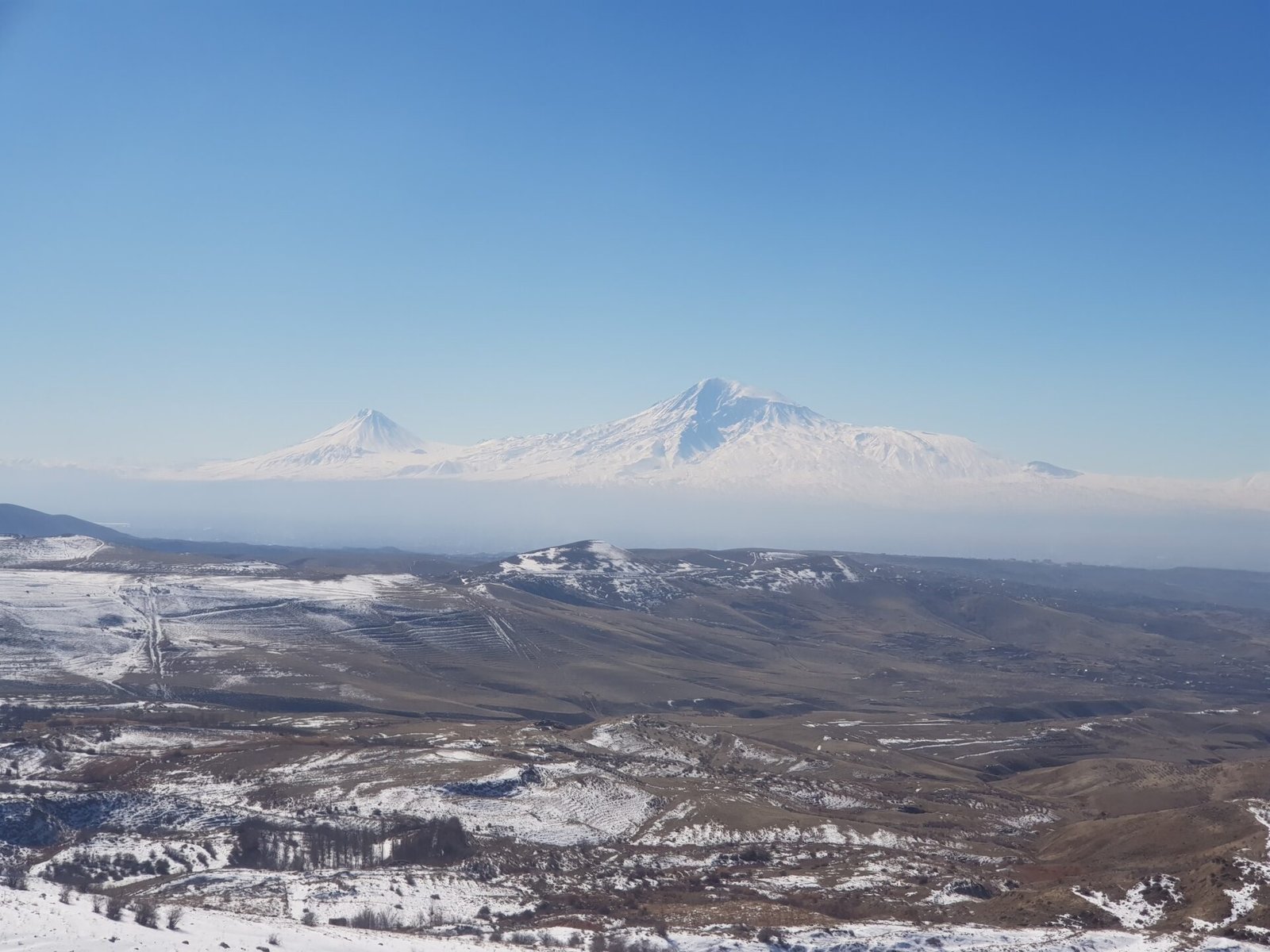
The month everything turns green. Apricot and almond blossom in the Ararat valley in early April is one of the best sights of the year, especially with a snow covered Ararat behind it. Yerevan reaches 18 to 20 degrees, but April is also one of the two wettest months, so pack a shell. Armenian Easter falls in this period and village churches are worth seeking out then.
May
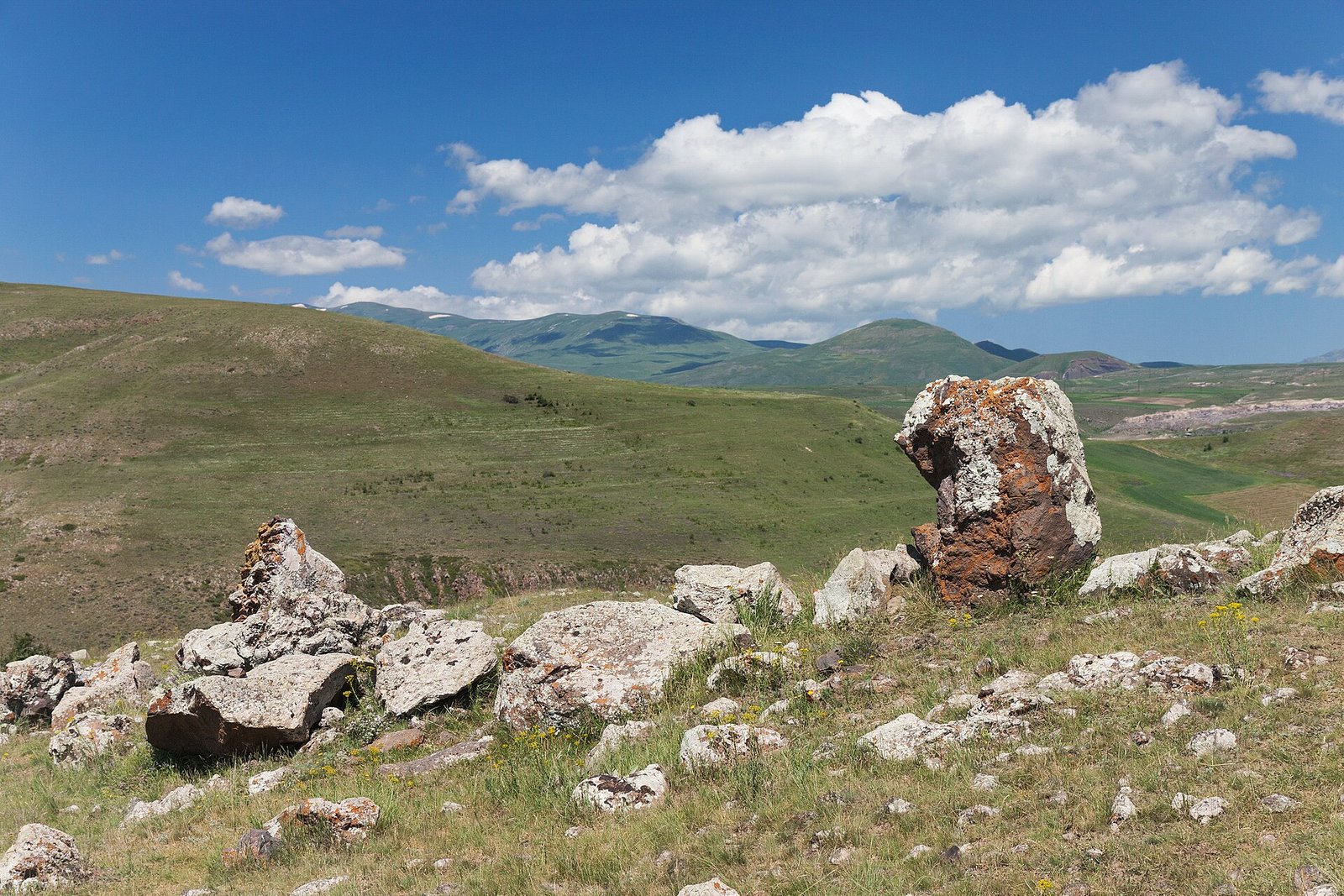
Arguably the prettiest month. Highs of 23 to 26 degrees in Yerevan, hillsides covered in wildflowers, waterfalls running full and lower hiking trails open. Rain still comes through in short bursts. High altitude routes above 2,500 metres usually still have snow patches into early June, so check conditions before committing to anything serious. Our hiking in Armenia guide covers what is passable when.
Ամառ։ Հունիսից օգոստոս
June
An excellent month. Yerevan climbs to around 30 degrees but the humidity is low and evenings are pleasant. Everything is open, the mountain passes including the Vardenyats pass are clear, and the apricot harvest starts late in the month. Yerevan Wine Days, the street festival that closes Saryan Street to traffic, usually happens in this period and is genuinely fun.
July
The hottest month. Yerevan regularly hits 34 to 38 degrees in the afternoon, and city sightseeing becomes an early morning and after seven in the evening activity. This is the best month for altitude: Sevan, Dilijan, Jermuk, Syunik. It is also apricot season, which in Armenia is close to a national event. Vardavar, the water festival where the entire country throws buckets of water at strangers, falls in July; the date moves with Easter, so check before you plan to wear anything you care about.
August
Similar to July, slightly less intense in the second half. Lake Sevan is at its busiest with Armenian holidaymakers and the water is warm enough to swim, around 20 to 22 degrees. Book Sevan and Dilijan accommodation ahead for August weekends. Read the Lake Sevan travel guide if the lake is part of your plan.
Autumn: September to November
September
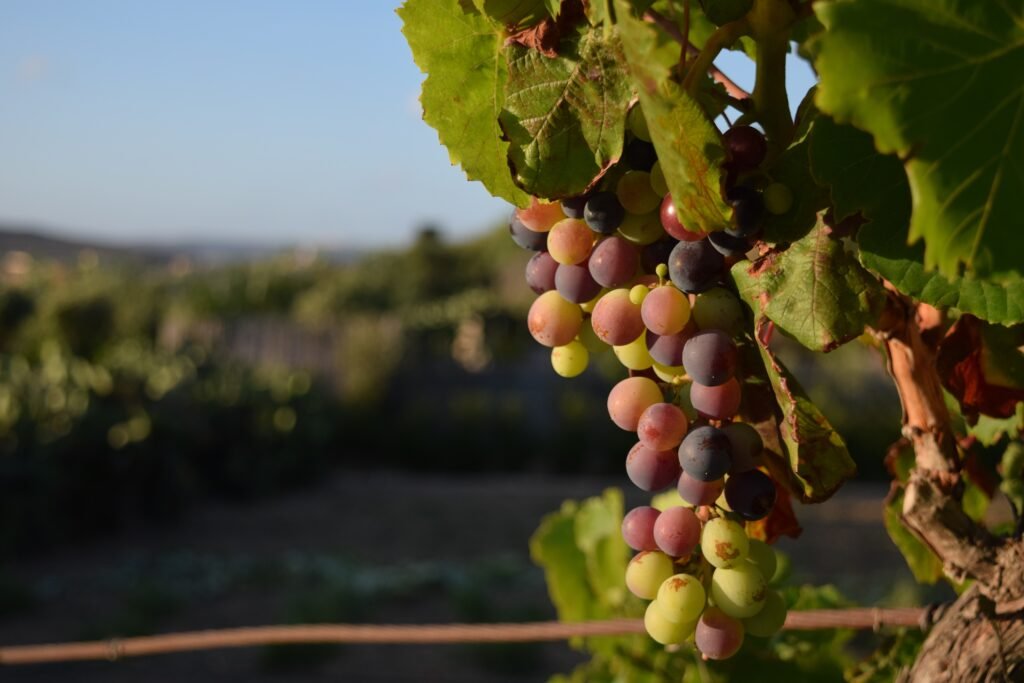
The best month overall. Yerevan settles to 28 to 30 degrees by day and cool by night, the light turns golden, and the grape and pomegranate harvest begins. Independence Day on 21 September fills the capital. Everything is open, everything is passable, and the crowds such as they are have thinned out after mid month.
October
Beautiful and underrated. Highs around 20 to 22 degrees early in the month, dropping to the low teens by the end. Autumn colour in Dilijan and the Lori canyons is spectacular. The Areni Wine Festival, traditionally on the first Saturday of October, is the single best day of the year to be in Vayots Dzor. See our Armenian wine guide for how to use it properly.
November
The quiet turn. Yerevan sits around 10 to 14 degrees, trees drop, first snow appears on the peaks and hotel rates fall. High passes start to close after the first serious snowfall, which can arrive any time from mid November. A good month for museums, food and cheap flights, less good for mountains.
Ձմեռ։ Դեկտեմբերից փետրվար
Armenian winter is cold, dry and clear more often than it is grey. Yerevan averages highs of around 3 to 6 degrees in December and hovers near freezing in January, with night lows down to minus 6 or lower. Snow in the capital comes and goes; in the mountains it settles for months.
What works in winter: monasteries in snow with nobody else there, Tsaghkadzor ski resort forty minutes from Yerevan, thermal water at Jermuk, the Christmas and New Year season which in Armenia runs to 6 January, and hotel prices at their lowest. Note that Armenian Christmas is 6 January, not 25 December, so the holiday atmosphere peaks in the first week of January.
What does not work: the Vardenyats pass and several high mountain roads close or become unreliable, daylight is short, and some village guesthouses in the south shut for the season. The Wings of Tatev cableway runs through winter but pauses one day a week for maintenance, so check the current schedule rather than assuming. Our Armenia in winter guide goes deeper.
Festivals worth building a trip around
- Yerevan Wine Days, usually early summer. Two evenings of the city centre turned into an open air tasting.
- Vardavar, in July, 98 days after Armenian Easter. Nationwide water fight with pre-Christian roots. Nobody is exempt.
- Golden Apricot Film Festival, July, Yerevan’s international film week.
- Independence Day, 21 September, with events across the capital.
- Areni Wine Festival, traditionally the first Saturday in October, in the village that gave its name to the grape.
- Armenian Christmas, 6 January, quieter and more religious than the Western version.
Festival dates move, several of them with the church calendar. Confirm the exact date before you book flights around one.
Choosing by what you want to do
If your trip is mostly monasteries, museums and food, anything from April to early November works and even winter is fine. If you want serious mountain walking, aim for July to mid September. If you are coming for wine and harvest, late September into October. If you want the lowest possible cost and do not mind cold, come in February.
Whatever month you choose, pack layers. A September day can run from 12 degrees at dawn at Sevan to 30 degrees at midday in Yerevan. Our Armenia packing list breaks it down by season, and the full Armenia travel guide covers the rest of the planning.
Three timing mistakes we see every year
The first is booking a city and monastery trip for the first half of August. Nothing is closed and nothing goes wrong, but you spend the middle five hours of every day hiding from 37 degrees, and the photographs come out flat and white. If August is your only option, flip the itinerary: sleep at Sevan or Dilijan, come into Yerevan for evenings, and see Garni, Geghard and Khor Virap before nine in the morning.
The second is reading a forecast for Yerevan and assuming it describes the country. The capital sits in a hot, dry basin at 990 metres and is the warmest and driest place you will go. On the same day, Dilijan can be ten degrees cooler and raining, and the Vardenyats pass can have snow on the verges in May. Check a mountain forecast for the places you will actually sleep in.
The third is arriving in the last days of December expecting a festive season and finding the country still at work. Armenia celebrates Christmas on 6 January, so the holiday energy builds through New Year and peaks in the first week of January. Come between 30 December and 7 January and you get the real thing, including family tables you will somehow be invited to.
We run small group and private trips all year from our base in Yerevan, and we will tell you honestly if the month you picked is wrong for what you want to see. Browse our Armenia tours or look at the Lake Sevan and Dilijan day trip, which is a good escape from summer heat.
Frequently asked questions
What is the best month to visit Armenia?
September is the strongest single month. Days sit around 28 to 30 degrees in Yerevan, evenings are pleasant, the harvest is in full swing and the light is exceptional. May and June are close behind, greener but with more chance of rain. If you want one safe answer, book the second half of September.
Is Armenia too hot in July and August?
Yerevan is genuinely hot in high summer, often 34 to 38 degrees in the afternoon, and sightseeing in the city becomes an early morning and evening activity. The mountains solve this. Lake Sevan, Dilijan, Jermuk and the high south stay ten degrees cooler, so a summer trip works well if you build it around altitude.
Can you visit Armenia in winter?
Yes, and it is beautiful if you accept the cold. Monasteries in snow, empty sites, the lowest hotel prices of the year and decent skiing at Tsaghkadzor. The trade-offs are short daylight, some high mountain passes closed and a slower pace in rural areas. Stick to the main routes and it is very manageable.
When is the rainy season in Armenia?
April and May are the wettest months across most of the country, with short heavy showers rather than all day rain. The north around Dilijan and Lori gets more rainfall year round than the dry Ararat valley. Summer is almost entirely dry, and autumn rain usually starts in late October.
When is Armenia cheapest to visit?
November through March is the low season, with hotel rates often 30 to 50 percent below September levels and the cheapest flights of the year outside the Christmas and New Year period. Early April and late October are good value shoulder weeks with better weather than the deep winter months.