The biggest Armenia travel mistakes are not scams but planning habits: hailing unmetered street taxis, packing too many stops into mountain roads, assuming everything is open in winter, and arriving without enough cash for the regions. Armenia is a low-scam country, and most problems are small and easy to avoid. This guide lists what trips people regret, and what to do instead.
| Question | Short answer |
|---|---|
| Is Armenia a scam-heavy destination? | No. Petty overcharging exists, organised scams are rare. |
| Biggest annoyance? | Unmetered street taxis and airport touts quoting inflated fares. |
| Biggest planning mistake? | Too many stops, and underestimating mountain drive times. |
| Cash needed? | Yes outside Yerevan: guesthouses, villages, markets, marshrutkas. |
| Is English spoken? | Often in Yerevan among younger people, much less in villages. Russian helps. |
| Open in winter? | Main sites yes; some mountain roads, lakes and guesthouses close or slow down. |
| Can I enter from Turkey or Azerbaijan? | No, those land borders are closed to normal travel. Georgia and Iran are open. |
Is Armenia really a scam destination?
Travellers on Reddit and TripAdvisor often ask this before booking, and the honest answer is that Armenia is not. Violent or organised tourist crime is uncommon, and our safety guide for travellers covers the wider picture. What you meet instead are small things: a taxi driver who rounds the fare up for a foreigner, a stall that opens with a high first price, a bill that includes a service charge you did not expect. None of this should change your plans. It just helps to know the usual spots.
Which taxi mistakes cost the most?
Taxis are the most common complaint. Cheap taxi apps such as Yandex Go and GG work in Yerevan, show the price before you ride, and remove haggling. The mistakes are:
- Hailing a cab on the street and not agreeing a price. Many street cabs have no working meter. Agree the fare before you get in, or use an app.
- Accepting the first offer at Zvartnots airport. Touts inside the terminal sometimes quote several times the app price. Order a car in the app, or pre-book a transfer with your hotel.
- Paying with a large note. Carry small dram notes, since drivers do not always have change.
What to do instead: install a taxi app before you land, use your phone data (our guide to SIM cards, eSIM and money explains how), and keep the pickup address in Latin letters. For the city’s other options, see getting around Yerevan by metro, bus and taxi app.
Why do itineraries go wrong in the mountains?
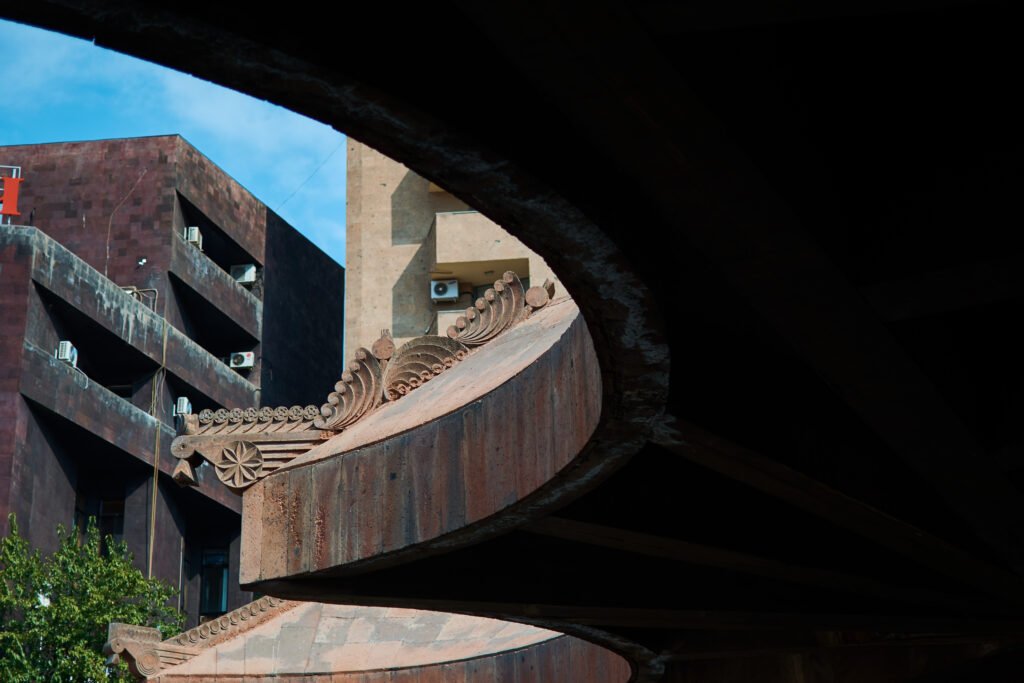
The distances look short on the map. Armenia is small, but roads climb passes, follow gorges and slow down behind trucks, so many drives take longer than the kilometres suggest. As a rough guide, Yerevan to Tatev is a long half day each way, and Yerevan to Dilijan or Sevan is a comfortable morning or afternoon, not a quick hop.
- Mistake: three or four major sites in a day, ending with a late drive back in the dark.
- Instead: one big site plus one small stop per day, and one night away from Yerevan when you go south. Our transport guide for marshrutkas, buses, trains and car hire has realistic travel times.
- Mistake: relying on one marshrutka connection for a same-day return from a remote monastery.
- Instead: check the last return departure the day before, or arrange a driver.
Is everything open in winter?
No, and this catches people out. Yerevan, major monasteries and the ski areas work in winter, but snow can close passes or slow roads, some guesthouses and seasonal cafes shut, and lakeside spots feel very quiet. Check weather and road conditions before leaving the capital, keep a buffer day, and read our guide to Armenia in winter before you commit.
Will English be enough everywhere?
In Yerevan cafes, hotels and tour offices, English is common among younger staff. In villages, on marshrutkas and at small shops you will meet Armenian and often Russian. This is not a problem if you prepare. Save your hotel address in Armenian, use a translation app offline, and learn a handful of words: barev (hello), shnorhakalutyun (thank you). Our page on the Armenian language and useful phrases helps.
How much cash should I carry, and what about exchange rates?
Cards are widely accepted in Yerevan, but outside it cash in Armenian drams is king. Travellers often complain that they could not pay a guesthouse or a roadside restaurant by card. Withdraw dram from a bank ATM in a city, and carry smaller notes.
- Exchange rates: compare a few exchange offices in central Yerevan, and avoid changing large amounts at the airport or at an unmarked booth. Rates differ between counters, so a short walk can save money.
- Dynamic currency conversion: if a card terminal offers to charge you in euros or dollars, choose dram. The offered rate is usually worse.
- Do not rely on a single card. Bring a backup and tell your bank you travel.
Prices are generally modest; see Armenia travel costs and budget for what to expect.
How do I avoid overpaying at Vernissage and souvenir shops?
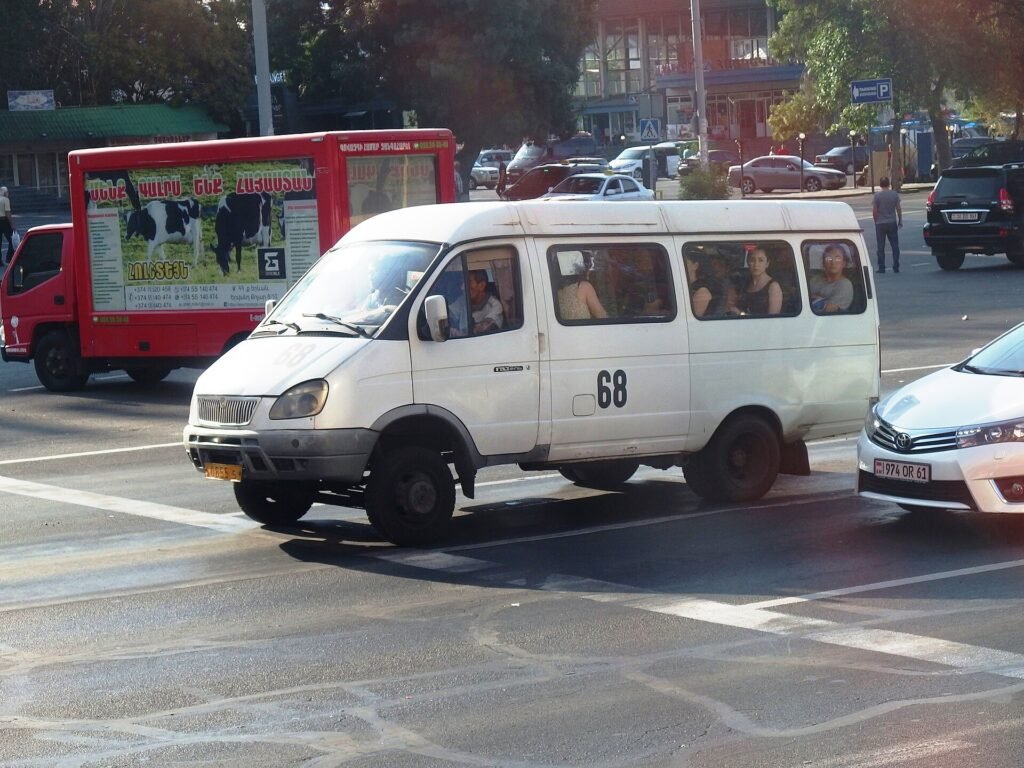
The Vernissage open-air market in Yerevan is a good place to buy carpets, ceramics, wood carvings and jewellery, and it is busiest at weekends. Bargaining is normal, but gently: ask the price, offer a little lower, smile, and be ready to walk on. Expect the first price to leave room for negotiation, particularly for foreigners.
- Mistake: buying the first carpet or trinket you see, or paying in euros at an inflated rate.
- Instead: walk the whole market once, compare, then return. Pay in drams.
- Mistake: assuming every antique is genuine, or that you can export anything old.
- Instead: buy as a souvenir, not an investment, and ask the seller for a receipt. Some old items need export permission, so check before you buy a genuinely antique carpet or manuscript.
For quality shops and ideas, see what to buy in Armenia, souvenirs and markets.
What about restaurant bills, tips and toasts?
Read the bill: some restaurants add a service charge of around ten percent, and if it is there you need not tip twice. If not, leaving about ten percent for good service is customary. Ask for the bill with the words hashiv or by gesturing, and do not be surprised if staff do not bring it until requested, which is polite rather than slow.
At a table with locals, a toast is a small ceremony. Do not start drinking before the first toast, make eye contact when you clink glasses, and do not refuse outright: take a sip if you do not drink alcohol, and say so with a smile. Our guide to Armenian culture, hospitality and etiquette goes deeper, and Armenian food shows what to order.
What should I not photograph, and what about the borders?
Do not photograph military installations, soldiers on duty or border posts, especially along the borders with Azerbaijan and Turkey, and do not fly a drone near them. Border areas in Syunik and Tavush can have restricted zones, so follow signs and the advice of your driver or guide. The land borders with Turkey and Azerbaijan are closed to ordinary tourist crossings, so do not plan a loop that depends on them. Georgia and Iran are open. Check your government’s travel advice before departing.
Should I hike alone without a plan?
Armenia has wonderful trails, but mobile signal drops in the mountains, weather changes fast, and marked paths are not as common as in the Alps. Tell your host where you are going, download an offline map, carry water and a rain layer, and avoid remote ridges alone late in the day. Shepherd dogs near herds can be loud: keep calm and walk around. For routes and seasons, read hiking in Armenia, and see how solo female travel in Armenia works in practice.
Who might be disappointed, and what is genuinely a downside?
Armenia is not perfectly polished. Pavements in the capital can be uneven, drivers can be assertive, smoking is still common in some cafes and taxis, and bureaucracy at small offices can be slow. Travellers who need strict schedules, step-free infrastructure everywhere or fully English-speaking service will find it harder outside Yerevan. If you enjoy a little improvisation and generous hospitality, these things become part of the trip.
If you would rather not manage taxis, cash and mountain logistics yourself, our small-group and private tours handle all of it with a local guide and a fixed plan. See our Armenia tours or ask us to shape a route around your dates.
Frequently asked questions
Is Armenia known for tourist scams?
No. Armenia is a low-scam destination and most visitors never meet one. The real annoyances are small: overcharging by some unmetered street taxis and airport touts, and occasional inflated first prices at souvenir markets. Using a taxi app and knowing a fair price removes nearly all of it.
Should I take a taxi from Zvartnots airport?
Yes, but book it through a taxi app or a pre-arranged transfer rather than accepting offers inside the terminal. The app shows the price before you ride. If you do hail one, agree the fare first. Prices change, so check the current rate in the app on arrival.
Do I need cash in Armenia?
In Yerevan most cafes, shops and hotels take cards. Outside the capital, village guesthouses, small restaurants, marshrutkas and market stalls often want cash in drams. Withdraw enough at an ATM in a city before heading to Dilijan, Sevan, Syunik or Vayots Dzor.
Can I cross from Armenia into Turkey or Azerbaijan?
Not as a normal tourist. The land borders with Turkey and Azerbaijan are closed to ordinary crossings. Georgia and Iran are open. Plan any onward trip by air or via Georgia, and check the official travel advice of your own government before you go.
What is the most common mistake first-time visitors make?
Trying to fit too much in. Mountain roads are slower than the map suggests, and the best places (Tatev, Dilijan, Noravank) deserve an unhurried half day or more. Choose fewer stops, leave buffer time, and you will enjoy the trip far more.