An honest Armenia travel guide has to start with scale: three million people, a country you can drive across in a day, and inside it fourth century monasteries hanging over gorges, a capital that eats dinner at ten, and vineyards older than most European nations. This guide covers why to come, what to see, when to go, what it costs and how to move around.
Why Armenia rewards the flight
People arrive in Yerevan expecting a stopover country and leave planning a return. Part of it is density. In four hours of driving you can go from a Hellenistic temple on a basalt cliff to a church carved into solid rock to a lake at 1,900 metres. Part of it is that almost nothing here is behind a rope. You walk into a ninth century monastery, someone is lighting a candle, and nobody sells you a ticket.
The other part is the welcome. Armenian hospitality is not a marketing slogan; it is a social obligation that can genuinely slow your itinerary down. A vineyard visit in Areni turns into three hours because the owner’s mother brings out lavash and cheese. Budget time for this. It is the best thing that will happen to you.
Armenia also happens to be one of the easiest countries in the region for independent travellers. Entry is straightforward for EU passport holders, distances are short, roads to the main sights are good, and taxi apps work everywhere in the capital.
Armenia at a glance
| Question | Short answer |
|---|---|
| Capital | Yerevan, around 1.1 million people, founded 782 BC |
| Currency | Armenian dram (AMD). Roughly 420 to 450 dram per euro in 2026 |
| Language | Armenian; Russian widely understood, English common in Yerevan |
| Visa for EU citizens | Visa free, generally up to 180 days in a year |
| Flight time from Western Europe | About 4 to 4.5 hours direct |
| Best months | May, June, September, early October |
| Ideal trip length | 7 to 10 days |
| Typical daily budget | 35 to 50 euros budget, 70 to 110 euros mid-range |
| Religion | First country to adopt Christianity as a state religion, in 301 AD |
The highlights that earn their place
Yerevan
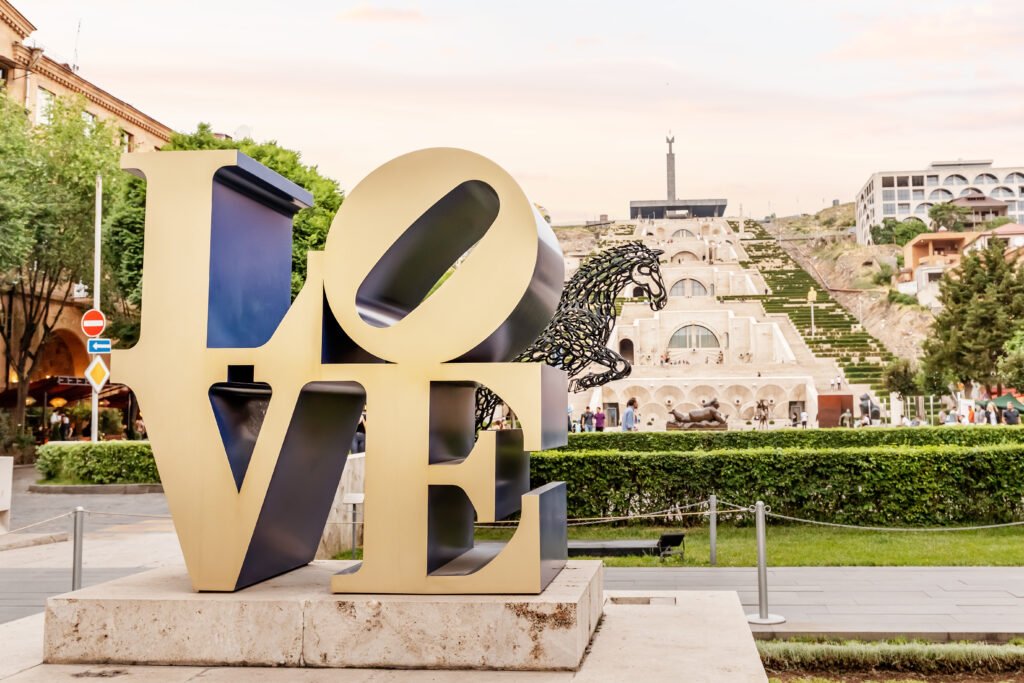
Give the capital at least two full days. It is a pink tuff stone city built largely in the twentieth century around Republic Square, with a cafe culture that spills onto the pavements from April to November. Walk the Cascade at sunrise, spend an hour at the Matenadaran manuscript museum, eat at the Gum covered market, and give an evening to the small wine bars on Saryan Street. Our things to do in Yerevan guide breaks the city down neighbourhood by neighbourhood.
The monastery belt
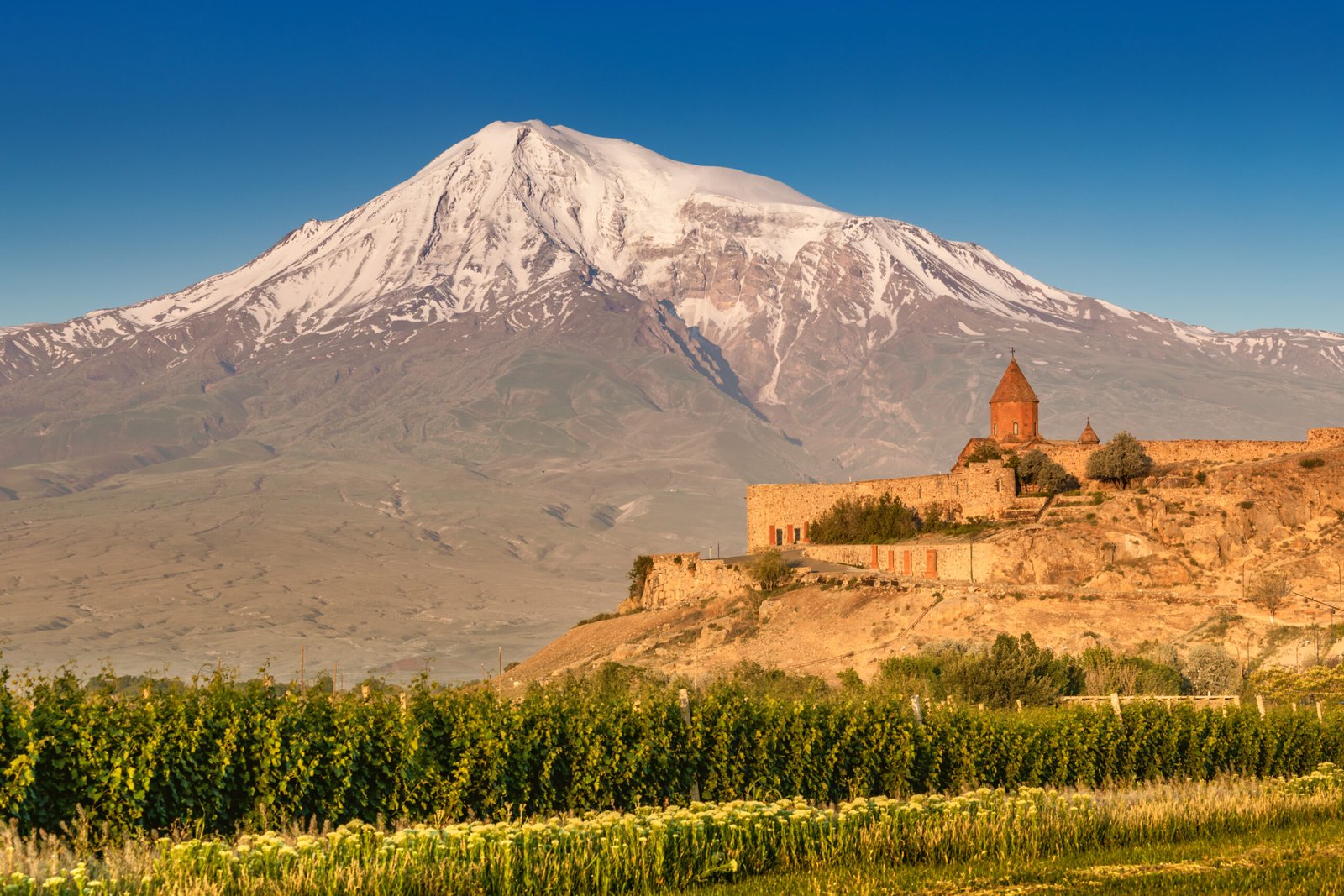
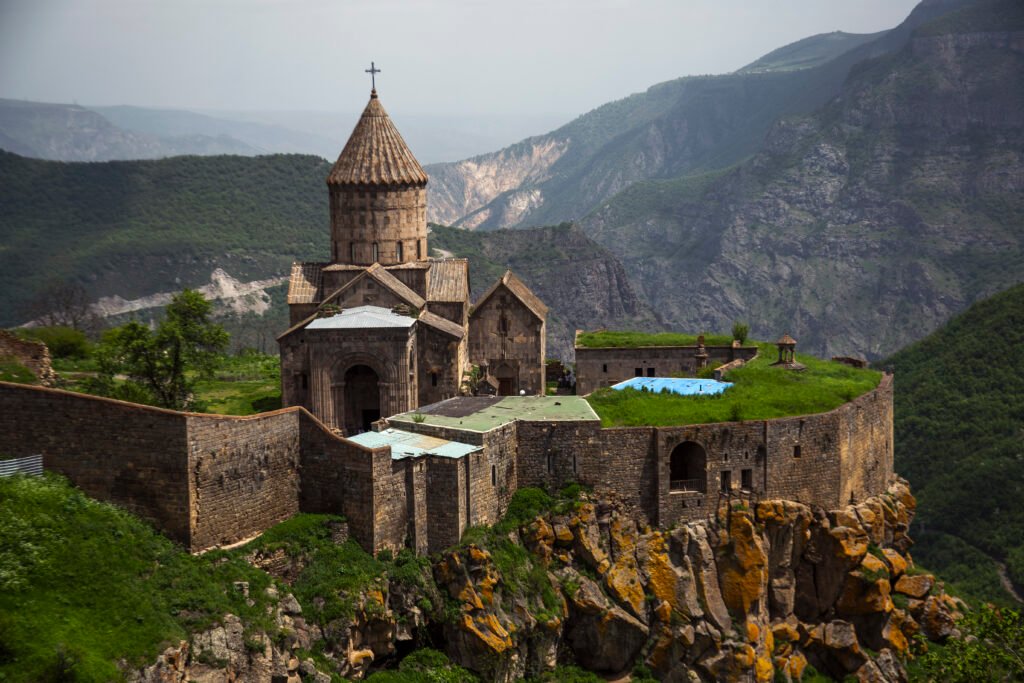
Armenia has hundreds of medieval churches and perhaps fifteen that will genuinely stop you. Geghard is carved into the rock face and has acoustics that make a single voice sound like a choir. Noravank sits in a red cliff canyon that turns copper at sunset. Tatev clings to the edge of a 500 metre gorge. Khor Virap is the one you have seen in photographs, a small monastery on a hill with Mount Ararat filling the entire sky behind it. Start with our best monasteries in Armenia shortlist if you only have time for a few.
Lake Sevan and the north
Sevan is one of the largest high altitude lakes in the world, and in summer it becomes Armenia’s coastline. Combine it with Dilijan, a forested town in the Tavush region that Armenians call their little Switzerland, where you can walk shaded trails between eleventh century monasteries. Further north, Haghpat and Sanahin sit in the Lori canyons and see a fraction of the visitors they deserve.
The south
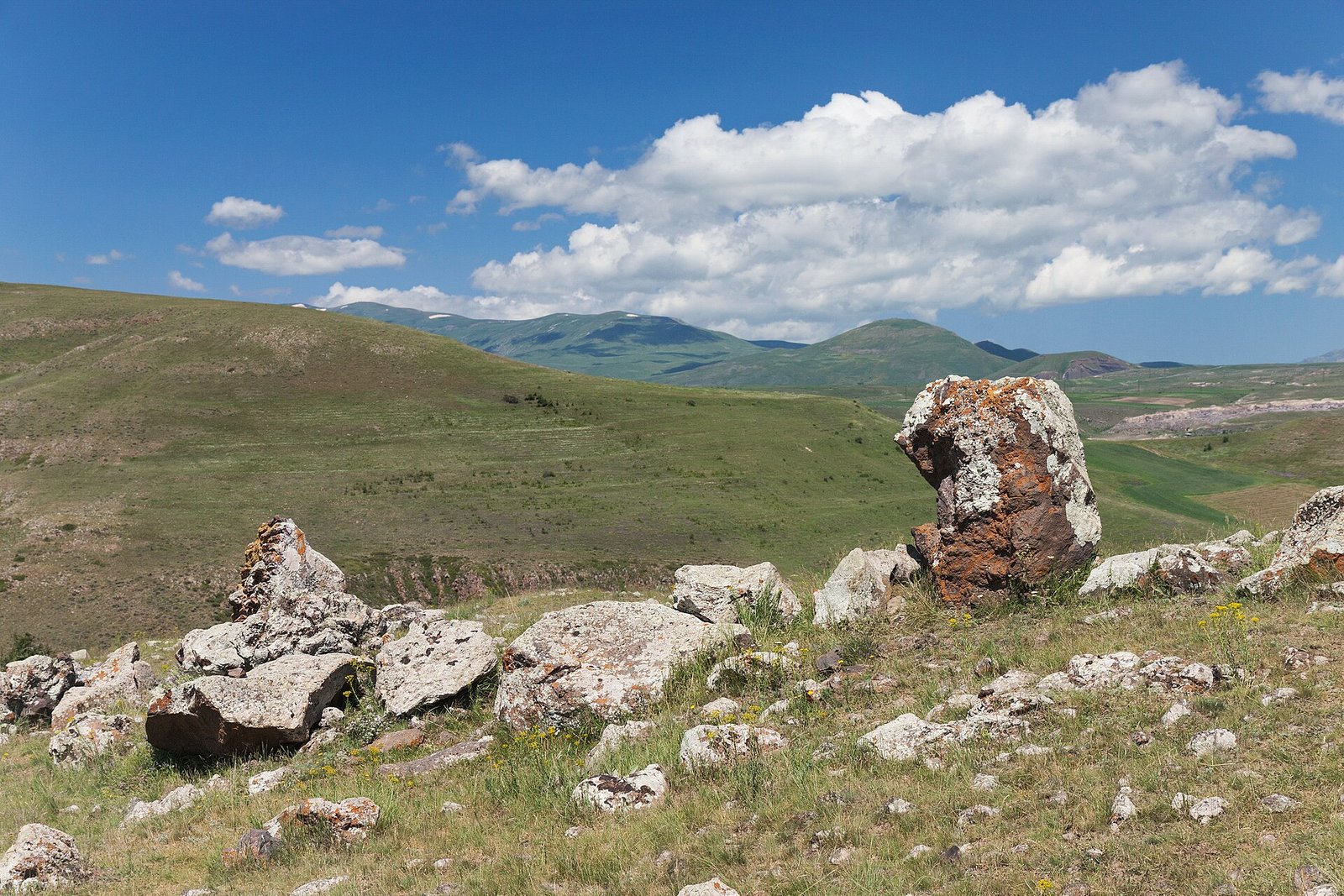
The drive south through Vayots Dzor and Syunik is the best road trip in the Caucasus. Areni wine country, the Noravank canyon, the Wings of Tatev cableway, the cave village of Old Khndzoresk and the Zorats Karer standing stones. It needs at least two days and deserves three.
When to come
May, June, September and the first half of October are the sweet spots: warm days, cool evenings, green or golden landscapes and manageable numbers. July and August are hot in Yerevan, regularly 35 to 38°C, but excellent in the mountains and at Sevan. Winter is quiet, cold and beautiful, with monasteries in snow and very low prices, though some high mountain roads close. Read the full month by month breakdown in our best time to visit Armenia guide.
How many days you actually need
- 3 to 4 days. Yerevan plus Garni, Geghard, Khor Virap and Echmiadzin. Enough for a long weekend, not enough for the mountains.
- 5 to 7 days. Add Lake Sevan, Dilijan and either the south or the north. This is the most common trip length and it works well.
- 10 days. Everything above plus the full southern loop with two nights near Goris or Tatev. See our 10 day Armenia itinerary for a day by day version.
- 2 weeks or more. Add hiking on the Transcaucasian Trail, Gyumri, the Lori canyons and time to do nothing in a village.
What a trip to Armenia costs
Armenia is affordable by Western European standards, and the gap is widest on food and transport. Realistic 2026 figures, in euros, per person:
- Guesthouse or simple hotel room: roughly 25 to 45 euros a night
- Good mid-range Yerevan hotel: roughly 55 to 100 euros a night
- Dinner with wine in a decent Yerevan restaurant: roughly 12 to 25 euros
- Lunch in a village or roadside place: roughly 5 to 10 euros
- Shared minibus between towns: roughly 1 to 4 euros
- Taxi across Yerevan by app: roughly 2 to 5 euros
- Car with driver for a full day trip: roughly 60 to 110 euros for the car
- Monastery entry: almost always free; museums roughly 2 to 5 euros
Flights are usually your biggest line item. Full detail sits in our Armenia travel costs guide.
Getting there and getting around
Zvartnots International Airport sits 12 kilometres west of Yerevan. Direct flights connect it with a growing list of European cities, and low cost carriers have pushed fares down considerably in recent years. Expect roughly four to four and a half hours in the air from Central Europe. A taxi from the airport into the city should be around 6 to 10 euros by app, more if you take the first car at the kerb.
Inside the country, shared minibuses called marshrutkas cover almost every route cheaply but leave when full and stop running by early evening. Trains are limited and slow. Most independent travellers use a mix of marshrutkas for simple town to town hops and a hired car with driver for anything involving multiple stops, which in a group of three or four works out at a similar price to renting. Driving yourself is realistic if you are comfortable with assertive local traffic and unlit rural roads at night.
Food and wine
Armenian food is grill, herbs, bread and dairy, done seriously. Khorovats, the barbecue, is the national ritual. Lavash comes out of a clay tonir oven and is on the UNESCO intangible heritage list. Dolma, lamb with apricots, sour plum sauces, tarragon lemonade and enormous breakfasts of cheese, greens and honey will define the trip as much as the monasteries.
Wine is the surprise. The 6,100 year old winery found in the Areni-1 cave is the oldest known, and the modern industry built on indigenous Areni and Voskehat grapes is genuinely good now. Yerevan’s wine bars are the easiest place to taste widely. Start with our Armenian food guide.
Practical things worth knowing
- Entry. EU, UK, US, Canadian and many other passport holders enter visa free. Details and current rules are in our Armenia visa and entry requirements guide.
- Money. Cash still matters outside Yerevan. Exchange offices give better rates than airports and are everywhere in the centre. Cards work in city restaurants, hotels and supermarkets.
- SIM cards. A local SIM or eSIM with plenty of data costs a few euros and coverage is good, including in most mountain valleys.
- Tap water. Drinkable, and the street fountains called pulpulaks are safe and free.
- Borders. The land borders with Georgia and Iran are open. The Turkish and Azerbaijani borders have been closed for decades; check the current position before planning any overland route through them.
- Tipping. Around 10 percent in restaurants if service is not already added.
What surprises first-time visitors
How green the north is, when everyone expects desert. How late the evenings run. How little English signage exists two hours outside Yerevan, and how little that matters. How often someone refuses your money for a lift or a coffee. And how completely Mount Ararat dominates the horizon even though it sits across a closed border in Turkey, visible from half the country and printed on the national imagination.
Come with a loose plan and leave gaps in it. Armenia fills them itself.
We are a small team based in Yerevan running trips for independent and solo travellers, from half day monastery runs to full week loops of the country. See our Armenia tours, or go straight to the Classic Armenia 7 day tour if you want the whole country in one week.
Frequently asked questions
Is Armenia worth visiting?
Yes, especially if you like layered history, mountain landscapes and food culture without heavy crowds. Armenia packs fourth century monasteries, alpine gorges, a lively cafe capital and one of the world's oldest wine regions into a country you can cross in a day. Most visitors are surprised by how much they fit into a week.
How many days do you need in Armenia?
Five days covers Yerevan plus the classic day trips to Garni, Geghard, Khor Virap and Lake Sevan. Seven to ten days lets you add the south with Tatev and Areni, or the north around Dilijan and Gyumri. Two weeks is enough for hiking, wine and the remote corners without rushing.
Is Armenia expensive for European travellers?
No. In 2026 a comfortable mid-range trip runs roughly 70 to 110 euros per person per day including a decent hotel, meals out, a driver or tours and entry fees. Budget travellers manage on 35 to 50 euros per day. Flights are usually the largest single cost.
What language do people speak in Armenia?
Armenian is the official language and has its own 38 letter alphabet. Russian is widely understood by anyone over about 35, and English is common among younger people, in Yerevan hospitality and in the tourism industry. Outside the capital a translation app and goodwill go a long way.
Is Armenia safe for tourists in 2026?
Everyday safety in Armenia is high, with very low rates of street crime and a culture that treats guests as a responsibility. Walking in Yerevan late at night is normal for locals. Check your foreign ministry's current advice about the eastern border areas before you travel, and keep your route to the well travelled regions.