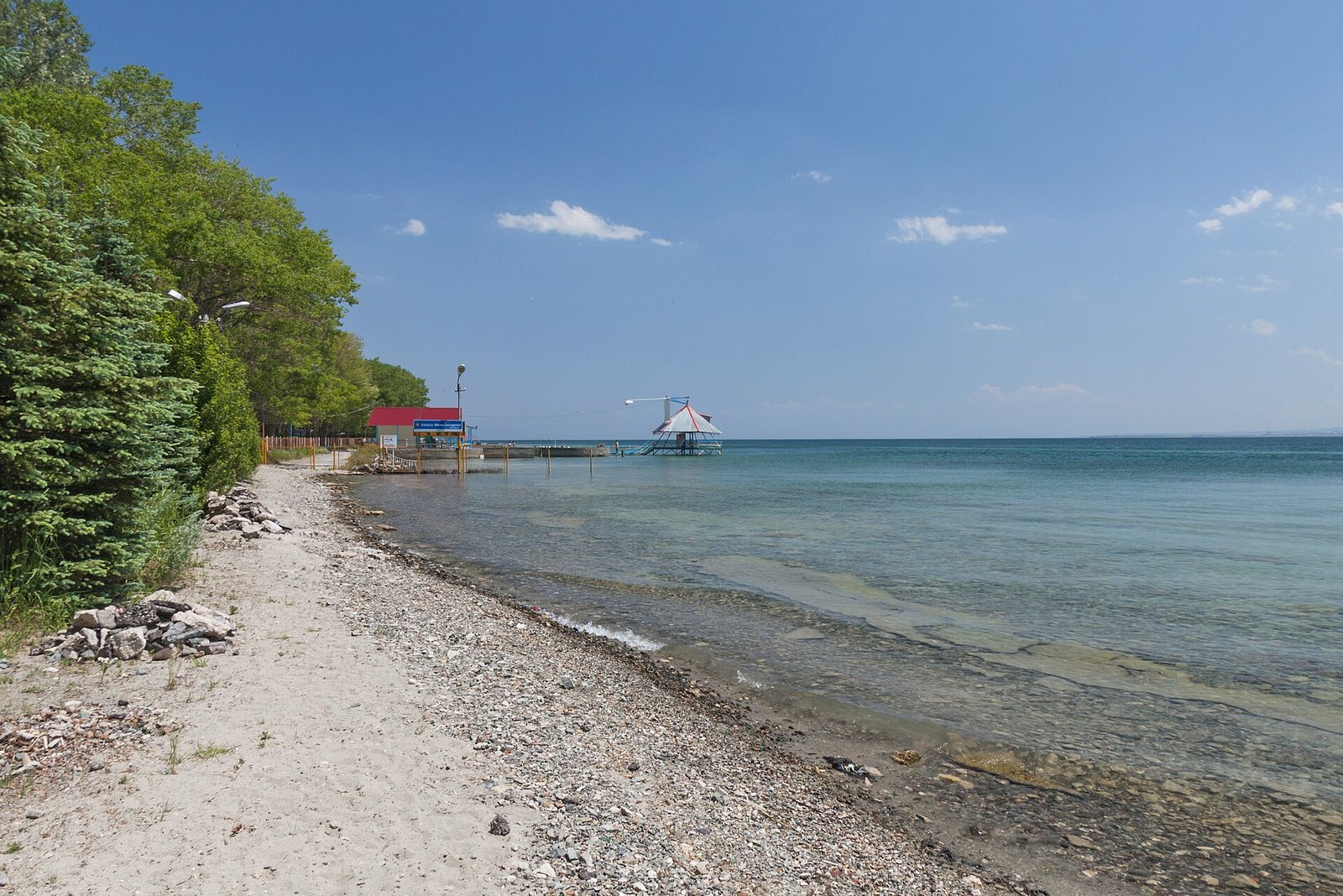
The Lake Sevan water temperature reaches a comfortable 18 to 23 °C only in July and August, which is when most people swim; in June and September the surface is usually 14 to 18 °C, and from November to April it is cold enough that nobody goes in. The lake sits at about 1,900 m, so even warm weeks come with cool nights, strong sun and an afternoon breeze. Below you will find month-by-month ranges, the best weeks, beaches, safety notes and what to do instead if the weather turns.
| Question | Short answer |
|---|---|
| Warmest water | July and August, roughly 18 to 23 °C at the surface |
| Best swimming weeks | Mid-July to mid-August, afternoons after a few sunny days |
| June and September | Possible but cold, roughly 14 to 18 °C |
| Winter water | Around 1 to 4 °C, shore ice in cold spells |
| Altitude | About 1,900 m above sea level |
| Jellyfish | None, it is a freshwater lake |
| Main beach areas | Sevan peninsula and town, Lchashen, Shorzha and other shore resorts |
| Travel time from Yerevan | Roughly 1 to 1.5 hours by road, depending on traffic |
How warm is Lake Sevan in summer?
Lake Sevan is one of the largest high-altitude freshwater lakes in the world, about 1,200 km² in area and with a maximum depth of roughly 80 m. A lake that deep and that high warms slowly. The surface typically passes 18 °C in the second half of July, peaks in early or mid August, then cools quickly through September.
Published readings and local observation give a typical band of 18 to 23 °C in the warmest weeks, with calm, sunny days at the top of that range. Shallow bays, such as those near some of the western and southern shores, can feel several degrees warmer than the open water off the peninsula. A cold, windy week can drop the surface by 3 to 4 degrees in a few days, so a warm Tuesday does not guarantee a warm Saturday.
For comparison, this is not Mediterranean swimming. Most travellers describe it as refreshing rather than warm: pleasant after a hot drive, uncomfortable if you plan to float for an hour.
Lake Sevan water and air temperature by month
These are approximate typical ranges for the surface water and for daytime air temperature around Sevan town. Individual years differ, and we have rounded them on purpose. Treat them as planning guidance, not forecasts.
| Month | Surface water | Daytime air | Swimming? |
|---|---|---|---|
| January | 1 to 4 °C | -8 to 0 °C | No |
| February | 1 to 4 °C | -6 to 2 °C | No |
| March | 2 to 5 °C | -1 to 7 °C | No |
| April | 5 to 8 °C | 5 to 12 °C | No |
| May | 8 to 13 °C | 11 to 18 °C | Very cold, only for the hardy |
| June | 14 to 18 °C | 16 to 24 °C | Brisk, short dips |
| July | 18 to 22 °C | 20 to 27 °C | Yes, best season |
| August | 18 to 23 °C | 20 to 27 °C | Yes, best season |
| September | 15 to 18 °C | 16 to 23 °C | Cool, early September is fine |
| October | 10 to 13 °C | 9 to 16 °C | No for most people |
| November | 5 to 9 °C | 3 to 9 °C | No |
| December | 2 to 5 °C | -3 to 4 °C | No |
If you want the wider picture of weather across the country, our guide to the best time to visit Armenia covers every month, including how Sevan compares with Yerevan, which is often 10 degrees warmer in summer.
When is the best time to swim in Lake Sevan?
The practical window is the second half of July through about 20 August. If you can choose, pick an afternoon after two or three clear days: the sun has warmed the top layer, and the morning wind has usually dropped. Early mornings are calm but colder, and clouds roll in quickly over the mountains in the afternoon in some weeks.
- Late June: the lake is often still cold after spring. A quick dip is possible, but expect 14 to 18 °C.
- July to mid-August: the reliable stretch for beach days, picnics and water sports.
- Late August to mid-September: air is still pleasant, the water cools fast. Good for walking, less good for swimming.
- October onwards: a visit is about scenery, not swimming.
Why does an altitude of 1,900 m change everything?
Three effects catch people out. First, the air is thin and dry, so the sun feels mild until you are burnt: UV is noticeably stronger than at sea level, and it reflects off water and pale shoreline. Use high-factor sun cream, a hat and sunglasses even on cool days. Second, evenings drop quickly: many summer nights at the lake are 10 to 13 °C, so bring a warm layer. Third, if you have cardiovascular conditions, check our health, tap water and altitude notes before heavy exertion.
Wind is the other factor. Afternoon breezes are common and the lake is popular with windsurfers and sailors for that reason. For swimmers the effect is chop, cooler skin and sand in your sandwich. If a stiff wind starts, leave the water.
Where can you swim: Sevan beaches and shore towns
Armenia designated several public beaches on Sevan, including the Sevan peninsula beach, a beach in Sevan town and the Lchashen shore, partly to keep access affordable for local families. The peninsula and Lchashen are the easiest from Yerevan. Further around the lake, Shorzha, Tsovagyugh and other villages on the shore have beaches, guesthouses and cafes, with hotels and beach clubs that rent sunbeds, run water sports and serve grilled fish and khorovats.
Facilities vary a lot between seasons and operators: showers, changing rooms, sunbeds, lifeguards and rubbish collection are not guaranteed everywhere, and entry or sunbed prices change from year to year. Check current conditions with your accommodation or with us before you go, and do not assume a lifeguard is present.
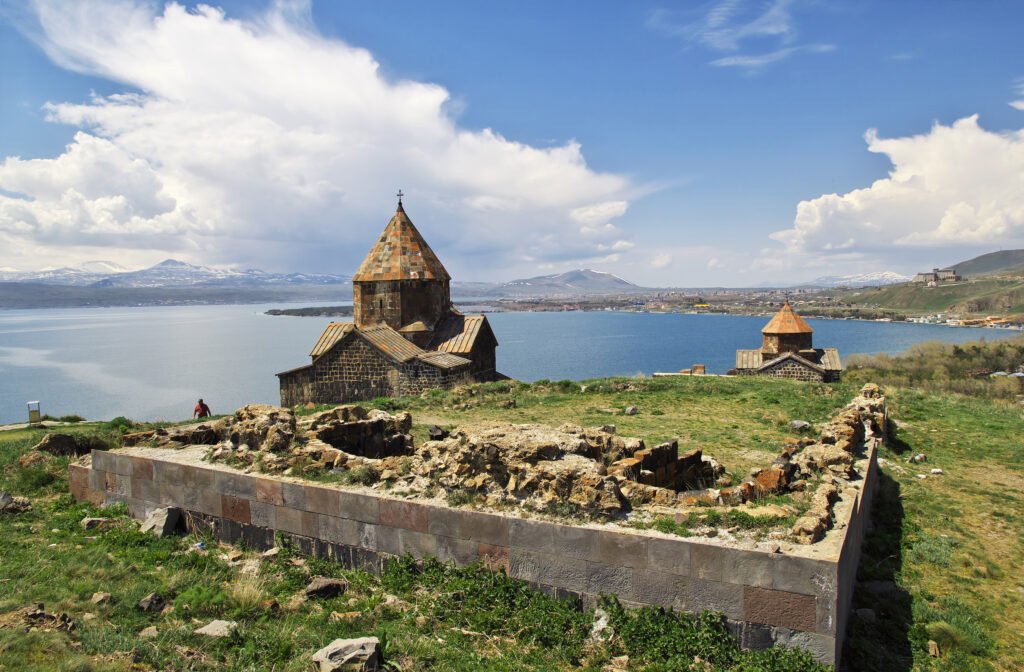
Note that water levels have been rising since the early 2000s after earlier decades of lowering, and shorelines shift, so older beach descriptions can be out of date. Our general Lake Sevan travel guide covers the monastery, the fish restaurants and the shoreline drive.
Is it safe to swim, and are there jellyfish?
There are no jellyfish and no sea-style hazards, but the lake still deserves respect. Cold shock and tiredness are the main risks, as the water can be much colder than the air suggests. The bottom drops away in places, some stretches are weedy or muddy, and boat and jet-ski traffic is not always separated from swimmers near busy beaches.
- Stay close to the shore and within reach of other people.
- Do not swim alone, and do not swim after alcohol.
- Enter slowly if you are not used to cold water, and get out if you start to shiver.
- Keep children within arm’s reach: depth changes quickly.
- Leave the water in strong wind or when storms build over the mountains.
What travellers complain about at Sevan
Travellers on Reddit and TripAdvisor tend to raise the same few points. Many expect a sea-style beach holiday and are surprised by cool water and a short season. Weekend traffic and crowded beaches near Yerevan in July and August are a frequent grumble, along with variable cleanliness, rubbish left on the shore and patchy facilities at some free beaches. Others find the afternoon wind stronger than expected, or arrive in a cloudy week and find the water simply too cold.
Who should skip swimming here: anyone who needs warm water, anyone travelling in autumn, winter or spring, and visitors who are not comfortable in cold water. You will still enjoy the lake for scenery, fresh air and fish lunches.
Alternatives to swimming in Lake Sevan
If the weather is poor or you want warm water, there are other options. Many hotels around Yerevan and in resort towns have outdoor pools in summer, and spa hotels with heated indoor pools operate year-round. Jermuk is known for thermal mineral water, as we explain in our guide to Jermuk and Vayots Dzor. For something cold and high, Lake Kari on Aragats is a high alpine lake fed by snowmelt, and nobody swims in it for long: see Mount Aragats, Lake Kari and Amberd.
In winter the lake becomes a quiet scenic stop on the way to ski resorts; our guide to skiing in Armenia shows how to combine them. Sevan is also a rewarding place for a walk on the peninsula, a visit to the monastery, and lunch of grilled fish by the water, whatever the temperature.
How to visit Lake Sevan from Yerevan
Sevan is roughly 60 to 70 km from Yerevan, typically 1 to 1.5 hours by road, longer on summer weekends. Options include a day tour, a taxi with a driver, public marshrutkas from Yerevan to Sevan town followed by a short taxi to the peninsula, or a hire car; compare these in our guide to driving in Armenia and car rental. A day trip works well for a swim, but if you want sunsets and cool evenings, stay one night on the shore and plan the rest of your trip with our step-by-step trip planner.
If you would rather not manage transport, timing and beach choice yourself, our small-group and private tours include Lake Sevan with flexible swim stops in summer. See our Sevan and day-trip tours and ask us which week looks best for the water.
What to pack for a Sevan beach day
- High-factor sun cream, hat and sunglasses.
- A warm layer and a towel that dries quickly, since evenings are cool.
- Water shoes: the shore can be pebbly or weedy.
- Cash in drams for small beach cafes and sunbeds.
- A light windproof jacket for the afternoon breeze.
Frequently asked questions
What is the Lake Sevan water temperature in summer?
In a normal year the surface water sits around 18 to 23 °C in July and August, and 14 to 18 °C in June and mid-September. Shallow bays warm first, the deep open lake stays colder. These are typical ranges, not guarantees, so treat any single figure as approximate.
Can you swim in Lake Sevan in June or September?
You can, but it is brisk. June water is often 14 to 18 °C and the lake warms slowly after a cold spring. By mid-September it is similar and falling. Strong swimmers and cold-water fans manage it, most visitors are happier in July and August.
Are there jellyfish or dangerous animals in Lake Sevan?
No jellyfish: it is a freshwater lake. The real hazards are cold water, afternoon wind and waves, strong sun at altitude, and in some places muddy or weedy bottoms. Swim near the shore, avoid swimming alone, and stay out when the wind picks up.
Does Lake Sevan freeze in winter?
Surface water drops to roughly 1 to 4 °C in winter. Shallow bays and shorelines can ice over in cold spells, while the large open lake usually stays largely unfrozen. Conditions vary by year, so check local reports before relying on ice for anything.
Where is the best place to swim at Lake Sevan?
Most visitors use the public beaches near the Sevan peninsula and Sevan town, or the Lchashen shore close to the road from Yerevan. Hotels and beach clubs on the northern and western shores add sunbeds and showers. Facilities change each season, so check before you go.