To plan a trip to Armenia, decide in this order: season, number of days, route shape, flights, entry rules, money and connectivity, then bookings. Most visitors do well with seven to ten days, a Yerevan base for the first three nights and a loop through the south or north afterwards. Below is the sequence we use with solo travellers and small groups, with the current practical details for 2026.
| Question | Short answer |
|---|---|
| Best time to go | Late April to June and September to October; July and August are hot in Yerevan but ideal for Lake Sevan and the highlands |
| How many days | 5 for Yerevan and day trips, 7 to 10 for a good first visit, 14 for a full loop |
| Flights | Fly into Zvartnots (Yerevan); direct flights from several European hubs, others via Istanbul, Gulf or eastern Europe, so check current timetables |
| Visa | Visa-free for up to 180 days a year for many nationalities incl. EU, UK, US; e-visa for others (verify before booking) |
| Money | Armenian dram (AMD); cards work widely in Yerevan, carry cash for villages and marshrutkas |
| Budget | Roughly 50 to 70 EUR a day on a budget, 90 to 150 EUR mid-range in 2026; check current prices |
| Getting around | Metro and taxi apps in Yerevan; tours, private drivers, marshrutkas or a rental car beyond |
| Language | Armenian; Russian widely understood, English common among younger people and in tourism |
Step 1: When should you go?
Armenia is a high-altitude country: Yerevan sits at about 1,000 m, many monasteries at 1,500 to 2,000 m, and the passes higher still. That makes the seasons sharper than the latitude suggests.
- Late April to June: green hillsides, snow still on Aragats and Ararat, comfortable 20 to 28 C in the capital. Some high roads and hiking trails may still hold snow in early May.
- July and August: Yerevan often passes 35 C. Plan sightseeing early, then head to Sevan, Dilijan or Jermuk where it is cooler.
- September and October: our favourite window: warm days, cool nights, harvest, golden foliage in Dilijan and the north.
- November to March: quiet and cheap, with ski options at Tsaghkadzor and Jermuk, but some mountain sites and guesthouses are closed or hard to reach.
For a month-by-month breakdown, see our guide to the best time to visit Armenia. If you only have a week, choose May, June, September or October.
Step 2: How many days do you actually need?
Travellers on Reddit and TripAdvisor often say the same thing: Armenia is small on the map but slow on the road. We suggest these time budgets:
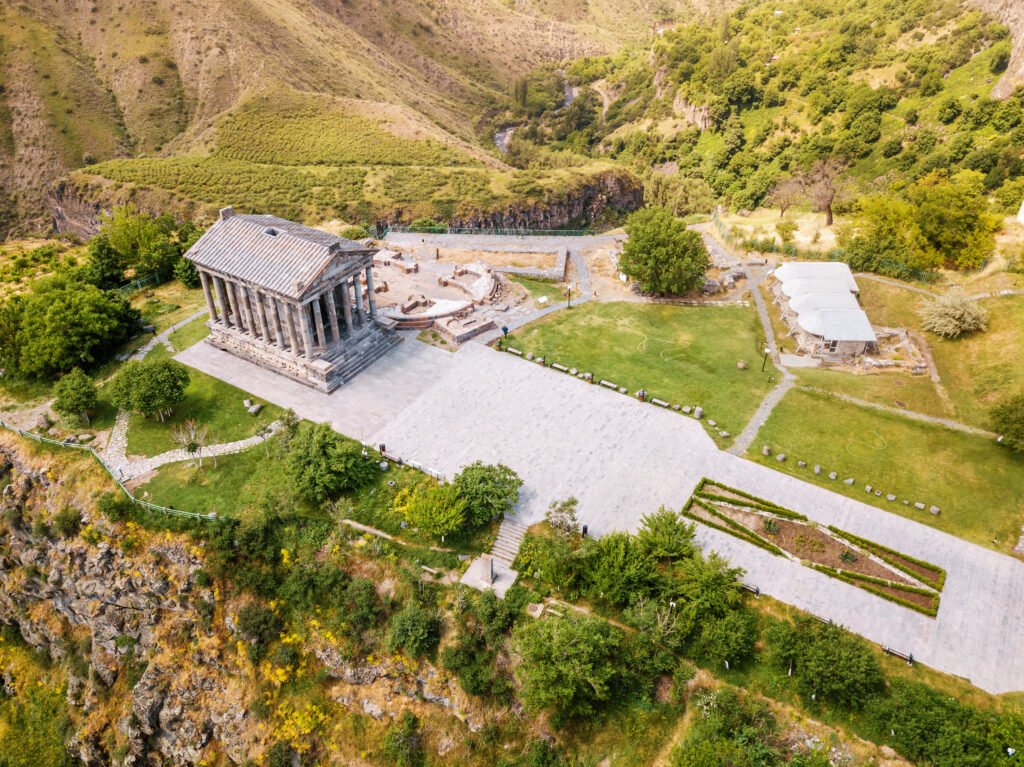
- 3 to 4 days: Yerevan plus Garni and Geghard, and Khor Virap. A sensible short city break.
- 5 to 6 days: add Lake Sevan and Dilijan, or Noravank and the Vayots Dzor wine region.
- 7 to 10 days: a real first trip: Yerevan, one regional loop, Tatev or Dilijan. See our 7 days in Armenia itinerary or the longer 10-day itinerary.
- 14 days: north and south, hiking days, and slack for weather or a rest day.
Step 3: Yerevan base or road trip?
Yerevan base
One hotel, no repacking, and almost every major sight within 40 to 120 minutes: Garni, Geghard, Khor Virap, Sevan, Echmiadzin, Amberd. The downside is long days in a car or minibus and little time in the villages themselves.
Road trip with two or three bases
Better for seven days or more. A typical shape: three nights in Yerevan, one or two nights around Dilijan or Sevan, then a southern leg with a night near Areni or Yeghegnadzor and a night in Goris or Tatev. Staying outside the capital also solves the early-start problem for Tatev; our guide to where to stay in Armenia outside Yerevan lists good bases.
If you are unsure, start with the city and book the regional legs only after two or three days, once you see how you handle altitude, heat and the roads.
Step 4: Flights and getting in
Almost everyone arrives at Zvartnots International Airport, 12 km from the centre of Yerevan. From Europe there are direct flights from several hubs; at the time of writing, routes from Frankfurt, Paris and Rome are operated by one or more airlines, and some low-cost carriers fly from other cities. Schedules change with the season, so check the current timetable on a flight search before building the trip around a specific date. Many other itineraries connect via Istanbul, Gulf hubs, Vienna, Warsaw or Riga. Flights often land or depart at night, which matters for your first and last hotel night.
Land borders: the Georgian border is open and is the usual overland route, with buses and minibuses from Tbilisi to Yerevan; Iran can be crossed in the south. The borders with Turkey and Azerbaijan are closed to normal tourist crossing. Details are in our guide to getting to Armenia.
Step 5: Do you need a visa?
Armenia currently allows visa-free entry for up to 180 days in a year for citizens of the EU, the UK, the US, Canada, Australia and a long list of other countries. Others can apply for an e-visa online, with a short processing time. Rules, fees and conditions are updated by the government, so always confirm on the Armenian foreign ministry e-visa portal and in your own country’s travel advice. Your passport should be valid for the whole stay; many airlines also want six months of validity. Our visa and entry guide goes through typical cases.
Step 6: Money, SIM and the budget
Money
The currency is the Armenian dram. Cards work in Yerevan hotels, restaurants and most shops; take cash for villages, marshrutkas, small guesthouses and markets. ATMs are common in towns. Bring a card with no foreign-transaction fee if you can. The full details are in our SIM card, eSIM, money and ATM guide.
SIM or eSIM
Local SIMs from the main operators are cheap and can be bought at the airport or in town with your passport; an eSIM is simpler if your phone supports it. Check roaming rules with your own provider, as EU roaming does not apply in Armenia.
Daily budget
Very roughly in 2026: 50 to 70 EUR a day if you use hostels, marshrutkas and cheap restaurants; 90 to 150 EUR for comfortable hotels, taxi apps and a paid day trip every few days; more with private drivers. Food and local transport are low by Western European standards; accommodation in summer and tours cost the most. Our travel costs and budget post has a fuller breakdown.
Step 7: What to book first, and what to leave open
- Flights, once season and length are fixed.
- First and last Yerevan nights, to cover late arrivals.
- Tatev and other village guesthouses in July, August, September and holiday weeks.
- Driver, tour or rental car, if you want fixed days. See driving in Armenia and car rental if you plan to drive yourself.
- Everything else can wait: restaurants, wine tastings and the Yerevan city tours are easy to arrange on arrival.
Leave at least one unplanned day. Weather in the mountains, a long lunch with a host or simply tiredness at altitude often rewrite plans.
Packing basics for Armenia
- Layers: warm sweater even in summer for the highlands and evenings.
- Sun hat, sunscreen, sunglasses: the sun is strong at altitude.
- Comfortable shoes with grip for stairs, cobbles and monastery paths.
- Modest clothing for churches (covered shoulders and knees; women sometimes use a scarf).
- Type C/F plug adapter (230 V), a power bank and a printed copy of key bookings.
Our packing list and practical tips has the longer version, and the health and altitude guide covers insurance and tap water.
What do travellers complain about when planning Armenia?
- Too much in too few days. The most common regret: five regions in a week. Cut one region and add a slow day.
- Heat in Yerevan in midsummer. Plan outdoor sights for morning and evening.
- Public transport without a timetable. Marshrutkas to villages leave when full and return early; fine for flexible travellers, stressful for tight plans.
- Late-night flights. Arriving at 3 a.m. and sightseeing at 9 a.m. is tiring; book a hotel for the arrival night.
- Cash surprises. Villages and some taxis still prefer cash.
Who should consider a guided tour instead of DIY?
If you have fewer than five days, travel alone and dislike navigating, are visiting in winter, or want to see Tatev, Noravank and Sevan in a fixed order without driving mountain roads, a guided or private tour saves real time. We compare both approaches in guided tour or DIY.
If you would rather not manage the logistics, our small-group and private tours cover the classic routes with a local guide and driver. See the current options on our tours page and tell us your dates, we will suggest a realistic plan.
A simple planning checklist
- Choose month and number of days.
- Choose Yerevan base or loop, then pick two or three regions only.
- Check passport validity and entry rules on official sites.
- Book flights, first and last nights, popular guesthouses.
- Arrange eSIM or plan to buy a local SIM at arrival, and check travel insurance.
- Download offline maps and a taxi app, and keep some cash in dram.
Armenia rewards a slower plan: fewer places, longer meals, and time to talk to the people you meet. When your outline is ready, our things to do in Yerevan guide helps you fill the city days.
Frequently asked questions
How far in advance should I plan a trip to Armenia?
For spring or autumn, two to three months ahead is comfortable: flights are cheaper, and guesthouses in Tatev, Dilijan and Vayots Dzor still have space. For July to September or the Easter and New Year weeks, aim for three to four months. Last-minute trips work in low season, but good drivers and small hotels fill up.
How many days do I need for Armenia?
Five days covers Yerevan plus the classic day trips, seven to ten days adds the south (Tatev, Vayots Dzor) or the north (Dilijan, Lori), and two weeks allows a full loop with hiking and Lake Sevan. Most travellers say they wished they had added two extra days, mainly because mountain roads are slow.
Do I need a visa for Armenia?
Citizens of the EU, the UK, the US, Canada, Australia and many other countries can currently enter without a visa for up to 180 days in a year, and an e-visa exists for others. Rules change, so check the Armenian foreign ministry e-visa portal and your own government travel advice before booking.
Is it better to base in Yerevan or do a road trip?
A Yerevan base suits short stays: Garni, Geghard, Khor Virap, Sevan and Echmiadzin are all day trips. A road trip suits seven days or more, with nights in Dilijan, Goris or Tatev and Vayots Dzor. A mix works best: three nights in the capital, then a loop with two or three bases.
What is the biggest mistake when planning an Armenia trip?
Underestimating driving times. Distances look short on a map, but mountain roads, passes and village traffic mean 100 km can take two hours or more. Plan two main sights a day outside Yerevan, not four, and keep one flexible day for weather.