Yerevan has become one of the most talked-about bases for a digital nomad Armenia stay: a compact, walkable capital, a UTC+4 time zone that overlaps with both Europe and Asia, fast home internet and a cost of living well below Western Europe. The short version is that many nationalities can stay visa-free for up to 180 days a year, a comfortable month costs roughly 900 to 1,800 USD, and winter is the main thing to plan around. This is general travel information, not legal or tax advice.
| Question | Short answer |
|---|---|
| Visa-free stay | Up to 180 days per year for many Western passports. Check your nationality on the official foreign ministry source. |
| Longer than that | Temporary residence permit; no dedicated nomad visa that we know of |
| Monthly budget (2026) | About 900 to 1,800 USD for one person, rent included |
| One-bedroom rent | Roughly 400 to 800 USD depending on area and quality |
| Internet | Fibre in most flats, cheap mobile data, good coworking connections |
| Time zone | UTC+4 all year, no daylight saving |
| Best months | April to June and September to October |
| Main downsides | Cold winters, some smog, slow paperwork, flight options |
Can you live and work in Armenia as a digital nomad?
Armenia does not market a special digital nomad visa. What most remote workers do is simple: they enter visa-free, which for citizens of many countries (most of Europe, the US, the UK, Canada, Australia and others) allows up to 180 days per year, and they work from their laptop. Citizens of EAEU and CIS countries have their own, often more generous, arrangements. Because the list of eligible countries and the rules are set by the foreign ministry and can change, always check the official source for your passport shortly before travelling.
If you want to stay longer than the visa-free period, the usual route is a temporary residence permit, which is available to people with a lawful activity such as freelancing or running a business, and which is normally granted for up to a year. Tax residency is a separate question: staying roughly 183 days or more in a twelve-month period can make you a tax resident. We are a tour team, not lawyers, so speak to a local immigration or tax adviser before you base yourself here for long. Our Armenia visa and entry requirements guide covers the tourist side in detail.
How much does Yerevan cost per month in 2026?
Yerevan is cheaper than most European capitals, but it is not as cheap as it was a few years ago, because the influx of remote workers and relocated residents pushed rents up in the centre. Treat the figures below as approximate 2026 ranges and check current listings.
Rent and utilities
A furnished one-bedroom apartment typically lands between 400 and 800 USD a month, with central Kentron at the top and districts such as Arabkir, Nor Nork or Davtashen cheaper. Utilities are modest in summer; in winter, heating and electricity can add noticeably. Short-term platforms cost more than a monthly contract with a local landlord, so many nomads book a week first and then negotiate.
Food, coffee and getting around
Groceries for one person are commonly 150 to 300 USD a month, a casual lunch is a few dollars, and a restaurant dinner with wine is often 10 to 25 USD. A coffee costs roughly 1.5 to 4 USD depending on whether you order a traditional cup or a specialty drink. The metro and buses are very cheap, and taxi apps are inexpensive for short rides; see our guide to getting around Yerevan. For a wider view of trip costs, read Armenia travel costs and budget.
Coworking
Hot desks in Yerevan coworking spaces are typically in the range of about 60 to 150 USD a month, with dedicated desks and private offices costing more. Prices change, so ask for a day pass first. Many people skip coworking altogether and work from home and cafes.
Is the internet good enough for remote work?
For most people, yes. Fibre-to-the-building is widespread in Yerevan, and home plans are inexpensive compared with Western Europe. Mobile networks have good 4G coverage in the city and affordable data, so a local SIM or eSIM works as a backup when the home line drops. Quality varies by building and provider, and older blocks can have patchy Wi-Fi inside the flat, so ask the landlord which provider serves the address and run a speed test during the viewing. Power cuts are uncommon in the centre, but a power bank and a phone hotspot are sensible insurance. We explain the options in Armenia SIM cards, eSIM, money and ATMs.
Where do nomads work: cafes and coworking?
Yerevan has a strong cafe culture, and a laptop at a table for a couple of hours is normal almost everywhere. The area around Tamanyan Square, the Cascade and Saryan Street has the highest concentration of places with sockets and decent Wi-Fi. Specialty coffee shops, cafes in the centre and a growing number of coworking spaces cater to remote workers. We prefer not to name individual venues in a guide like this, because they open, close and change quickly, so check recent maps and reviews. Order something every hour or two, avoid peak lunch seating if you plan a long call, and carry headphones: terraces can be loud. Our Yerevan cafes, nightlife and where to stay guide helps with the neighbourhood side.
Which Yerevan neighbourhood is best for a nomad?
- Kentron (centre): walkable, most cafes and restaurants, highest rents and street noise at weekends.
- Arabkir: quieter, residential, good for longer stays, within a short taxi ride or metro trip of the centre.
- Nor Nork and Davtashen: cheaper flats, more Soviet-era blocks, reasonable transport links.
- Around the Cascade and Mashtots Avenue: popular with newcomers, good for cafes and galleries, check noise before committing.
Visit a flat in the evening if you can, ask about heating, hot water and building maintenance, and do not pay a large deposit before seeing the contract.
Time zone, banking and the practical setup
Armenia stays on UTC+4 all year. That means Berlin is three hours behind in winter and two hours behind in summer, London is four or three hours behind, and the Gulf is on the same time as Yerevan. Working a European morning is easy; late-afternoon US calls are possible only if you accept evenings. For money, bring a card that works internationally, carry some cash in drams, and check whether your home bank restricts transfers; our money and cards guide explains ATMs and what to expect. Opening a local bank account can require residence documents and patience.
What are winters like, and what do travellers complain about?
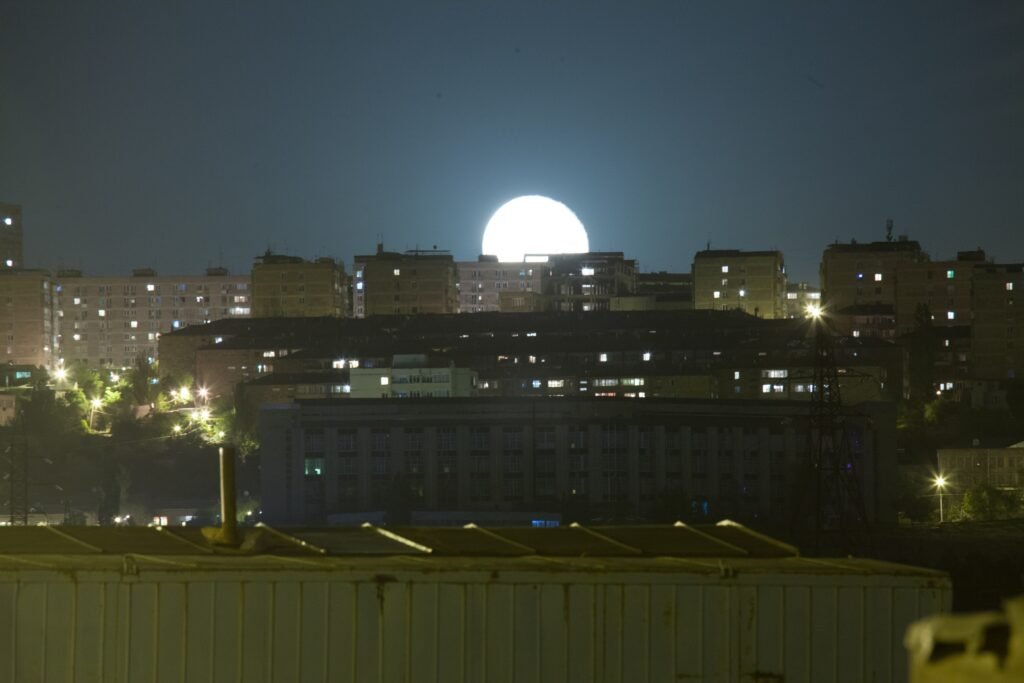
This is the section to read before you commit to a year. Winters in Yerevan are cold: December to February is often near or below freezing, with snow on some days, and many older buildings have patchy heating. Some travellers also report poor air quality on still winter days. Summers are hot, with highs often in the mid to high 30s Celsius, so air conditioning matters in July and August. Other common complaints are slow bureaucracy, a small market for specialised services, and limited direct flights from some regions, so connections can be long. Who should skip it: people who need a big-city nightlife scene every night, guaranteed fast daily delivery everywhere, or a legal framework with an official nomad scheme.
Community, events and health
There is a visible community of remote workers, startup people and returning diaspora, so meetups, language exchanges and coworking events are easy to find on social media. Weekends are good for short trips: Garni, Khor Virap, Dilijan and Lake Sevan are all within a day. For health, bring travel or international health insurance, keep prescriptions in their original packaging and read our health, tap water and insurance guide. Pharmacies are plentiful, and private clinics in Yerevan are used by most foreigners.
How to start: a simple first month
Book two weeks in a centrally located flat, buy a local SIM at the airport or in town, test the internet before committing, and explore two or three neighbourhoods before signing a longer lease. Keep a copy of your entry date and passport pages so you can track the days you have used. Do not rely on rules you heard in a forum thread: they change.
If you would like to see more of Armenia on your days off, our small-group and private tours cover Garni, Geghard, Lake Sevan and the south without any logistics on your side. See our tours.
Frequently asked questions
How long can a digital nomad stay in Armenia?
Citizens of many countries, including most of Europe, the US, the UK, Canada and Australia, can enter without a visa and stay for up to 180 days per year, while Russians and other CIS passport holders have their own rules. Rules are set by the foreign ministry and change, so confirm your passport on the official source before booking.
Is there a digital nomad visa for Armenia?
There is no dedicated digital nomad visa that we know of. Remote workers usually stay on the visa-free entry and, for longer periods, apply for a temporary residence permit in Armenia. Procedures and required documents are updated regularly, so check the official migration service and consider asking a local immigration lawyer.
How much does a month in Yerevan cost for a remote worker?
A realistic range in 2026 is roughly 900 to 1,800 USD per month for one person: a one-bedroom apartment, groceries, eating out several times a week, a coworking desk or cafe working and local transport. Rent in the centre and the season are the biggest variables, so view flats in person.
Is the internet in Yerevan good enough for video calls?
Yes, in most apartments and coworkings. Fibre broadband is common in the city and mobile data is cheap, so a local SIM or eSIM makes a good backup. Speeds and reliability differ by building and provider, so ask the landlord which provider serves the flat and test before paying a long deposit.
What are the downsides of living in Yerevan as a nomad?
Common complaints are cold, sometimes smoggy winters, limited direct flights to some regions, paperwork that can be slow, and a small market for niche services. Many people also miss reliable heating in older buildings. Summer heat can reach the high 30s Celsius, so check air conditioning in your rental.