
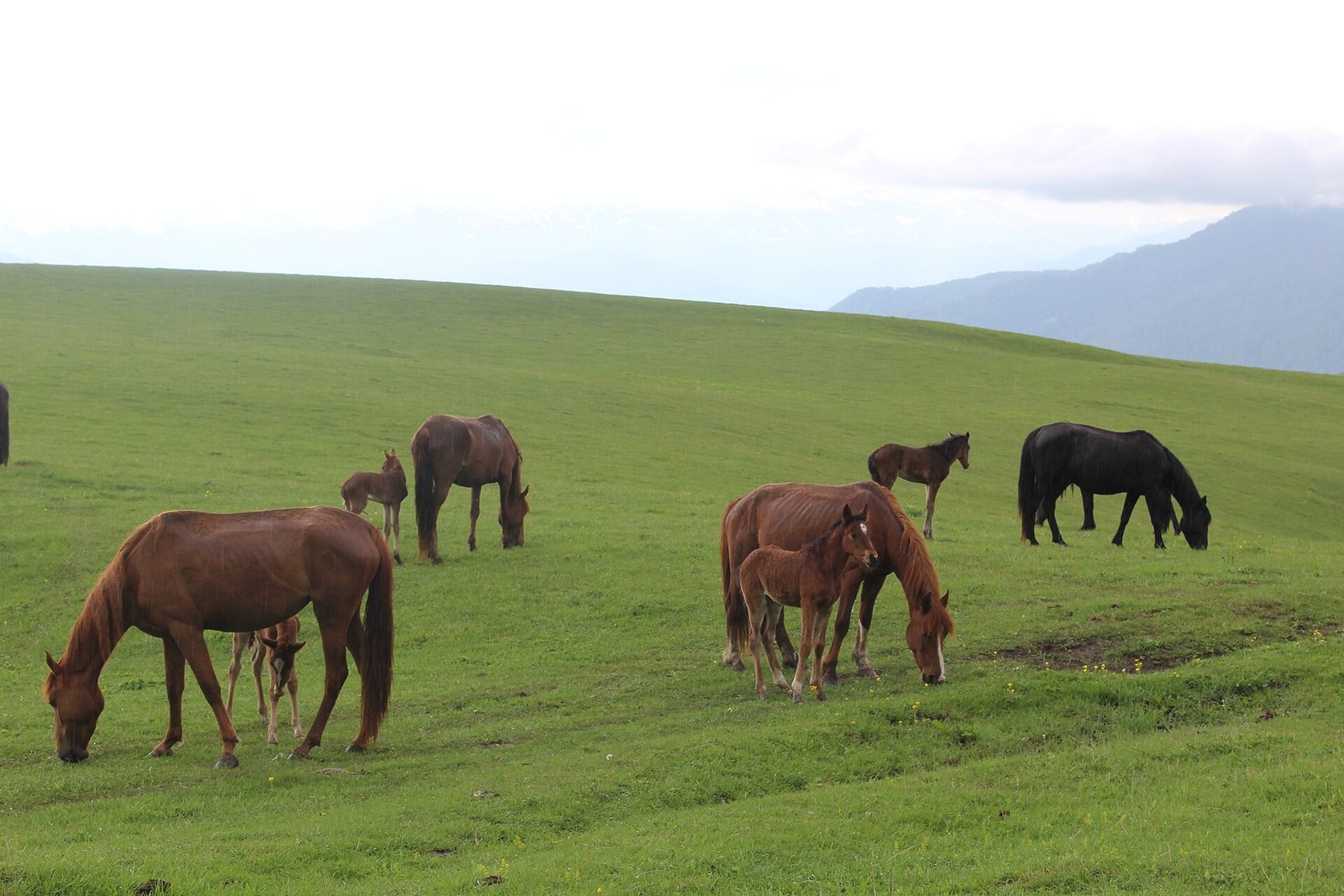
Horse trekking in Armenia means spending two to seven days in the saddle, moving between villages, forests and high summer pastures where roads thin out and shepherds still graze their flocks. It is a different thing from a two-hour ride: you need some riding confidence, a careful operator and a plan for luggage, weather and stiff muscles. This guide covers exactly that planning side of a horseback tour in Armenia.
If you only want a short ride, start with our guide to horse riding in Armenia, which covers day rides, stables, prices and weight limits. One honest point up front: Armenia has far fewer fixed-date horse treks than Kyrgyzstan or Mongolia. Most multi-day rides are arranged privately with a village stable or a local agency, and published details are thin. We name only operators we could check in 2025–2026 sources; for everything else, use the questions in this guide.
| Question | Short answer |
|---|---|
| Typical length | 2–4 days is realistic; 5–7 days is usually a custom trek |
| Best regions | Tavush and Lori forests, Vayots Dzor, Syunik, Aragats and Geghama summer pastures |
| Best months | Late May–early October in the forests; June–September on high pastures |
| Where you sleep | Mostly village guesthouses; tents on high-pasture routes |
| Experience needed | Comfortable at walk and trot for 3+ hours; beginners start with a day ride |
| Weight limits | 90–100 kg in the listings we checked |
| Luggage | Day kit in saddlebags; main bag by support vehicle |
| Insurance | Check that horse riding and mountain evacuation are covered |
What does a multi-day horse trek in Armenia look like?
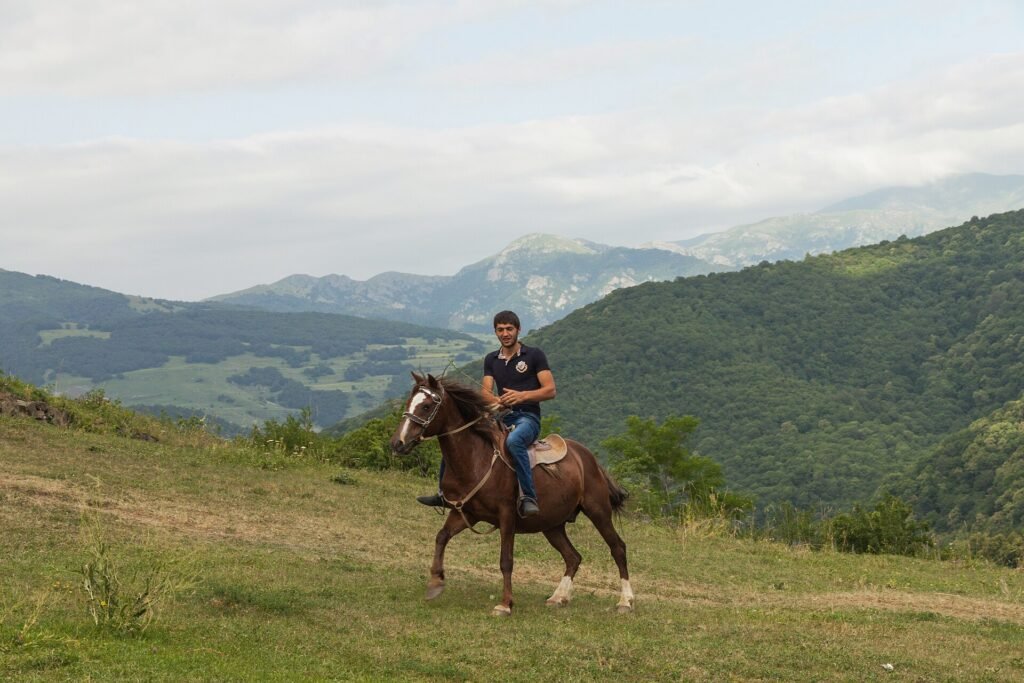
A typical trek day starts after a guesthouse breakfast of bread, cheese, herbs and eggs. The guide and horse handler saddle up while you pack a small bag for the day. Expect somewhere between three and six hours of riding, broken by a picnic or a stop at a spring, and always ask the operator for the real figure: “a full day” can mean a lot of things. Most of the riding is at a walk, because trails are steep, rocky or muddy; trotting and cantering happen on open meadows, if the guide judges the ground and the group to be ready.
By late afternoon you reach the next village or camp, the horses are unsaddled and watered, and dinner follows. On many routes you will lead your horse on foot down the steepest sections, so a trek is part ride, part hike.
Which regions suit horse trekking in Armenia?
Tavush: forests around Dilijan and Yenokavan
The green north-east is the easiest place to start. Forest tracks link villages, the shade helps on hot days and there are guesthouses at sensible distances. Yenokavan, with its canyon and the Lastiver area, is a local riding hub, and the woods of Dilijan National Park suit gentle two- or three-day loops. Mud after rain is the main drawback.

Lori: canyon edges and plateaus
Lori combines the Debed and Dzoraget canyons with open grassland above them, around Odzun and the plateau villages. Stringing two established day rides together with a guesthouse night in between is an easy first trek.
Vayots Dzor and the Geghama range
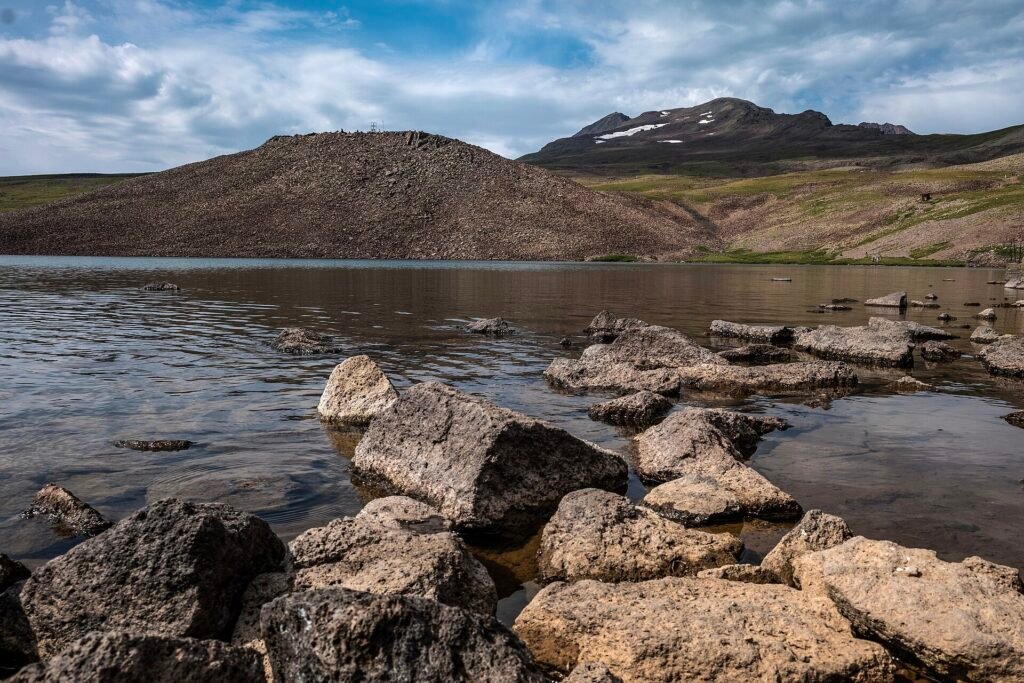
The south-central mountains are drier, with wide views, old caravan routes and passes such as Selim at around 2,400 m. Some itineraries advertised abroad link the Selim area, the Geghama mountains and Lake Sevan with tent nights and a support vehicle. Mount Armaghan, an extinct volcano south of Lake Sevan, is a popular target: one Yerevan agency’s ride there covers 13 km with about 700 m of climb, run from May to October.
Syunik highlands
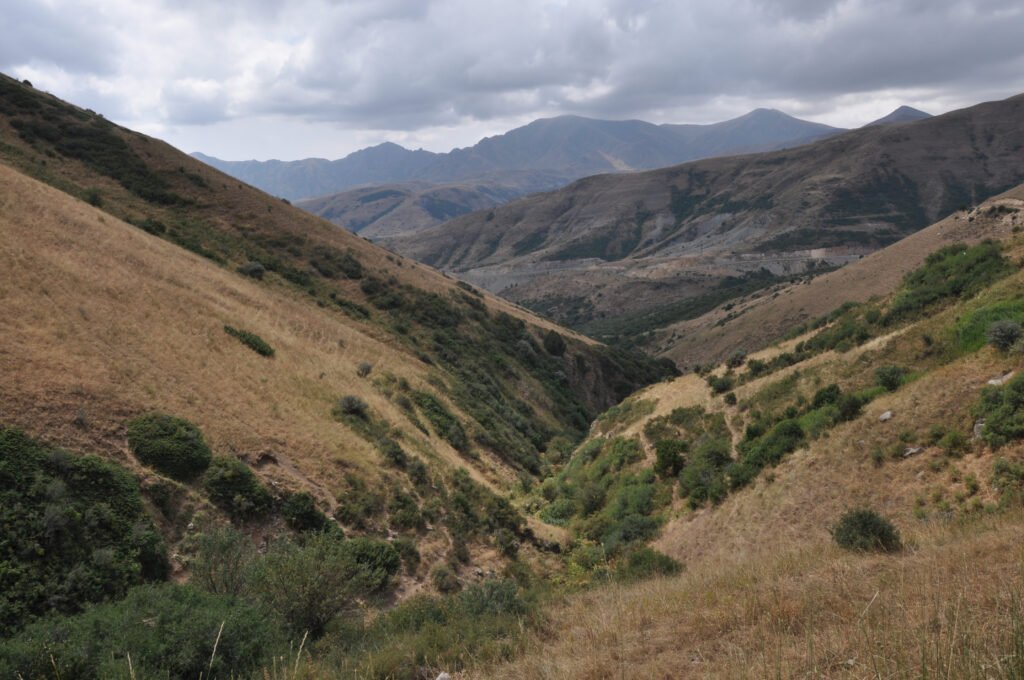
The far south has long ridges, deep gorges and small villages. Tandzaver, a Syunik village reachable from Tatev or Kapan, is a good example: a 2025 report describes rides of 4 to 16 km with Welcome Tandzaver, a local team that can also arrange camping or a guesthouse. Riding from such a village base on two or three consecutive days is a gentle form of trekking.
Aragats and the summer pastures
In July and August the slopes of Mount Aragats and the Geghama range fill with shepherds’ summer camps, and the high meadows are spectacular. This is serious terrain: altitude, cold nights, sudden storms and very few buildings. Treks here need tents, a support team and a guide who knows the shepherds and the water sources. Our hidden gems of Armenia guide lists more places where a horse is still the most practical way to travel.
Who actually runs multi-day horse treks?
From what we could verify in 2025–2026 sources:
- Apaga Resort in Yenokavan is described by the Armenia Discovery portal (updated 2026) as offering multi-day treks through forests and mountain meadows. Length and price were not published, so ask directly.
- Yell Extreme Park, also in Yenokavan, lists guided rides of 40 minutes to 3 hours, a 100 kg weight limit and no experience needed on its official riding page. Longer tours have been mentioned by third parties, but are not listed there.
- Welcome Tandzaver in Syunik offers village rides from around 15,000 AMD per person (2025 report), not in winter, with camping or a guesthouse on request.
- Silk Road Armenia sells an 11-day riding, trekking and culture tour through resellers (from around USD 1,390 in a 2025 listing), but the published itinerary uses 3-star hotels and includes only one riding stage, near Lastiver. Good for a taste, not a real trek.
Anything longer is usually built to order. Prices for day rides, which are the building blocks of most treks, are in our horse riding guide with current prices.
Where do you sleep and what do you eat?
Village guesthouses are the comfortable option and the most common one in Tavush, Lori and Syunik: a bed, a hot shower most of the time and a home-cooked dinner with salads, herbs, cheese, lavash, often khorovats. Tents come in on the high routes, where the support team carries tents, mats and a stove. Bring your own sleeping bag or ask whether a warm one is provided; nights above 2,500 m can be close to freezing even in August. A night near a shepherd camp is possible only if your guide knows the family; treat it as a privilege, not a booking.
Spring water is everywhere, but carry purification tablets or a filter. Trail lunch is usually bread, cheese and vegetables from the guesthouse, so bring snacks.
How fit and experienced do you need to be?
You should be able to mount, steer and stop on your own, sit a trot without panic and spend three or more hours in the saddle without real pain. If that is not yet you, do a day ride first. Leg and core strength matter as much as skill, because you will dismount and remount often.
Saddle sores and stiffness are the classic trek problem. Preparation helps: take a few lessons at home in the weeks before, ride in seamless underwear and proper riding tights or padded leggings, add half-chaps against rubbing on the calves, and bring an anti-chafe balm. Stand in the stirrups for a few strides now and then, and get off to walk when your knees start to complain. Day two is often the hardest.
When is the best time, and what are the weather risks?
For forest routes in Tavush and Lori, late May to early October works, with June and September the most pleasant. High pastures on Aragats and the Geghama range are best from late June to mid-September; snow can linger above 3,000 m into June. Vayots Dzor and Syunik run hot in July and August at lower levels, so start early.
The main risk is afternoon thunderstorms in early summer, which bring lightning on open ridges, hail and slippery trails. A good guide starts early and gets off exposed ground by mid-afternoon. Check our guide to weather in Armenia by region and altitude and build a spare day into longer treks.
What should you pack for a horseback trek?
- A riding helmet that fits you (or confirm one is provided in your size)
- Riding tights or stretch trousers without inner seams, and seamless underwear
- Boots with a small heel and smooth sole; half-chaps
- Thin gloves against rein rub
- Waterproof jacket, warm fleece and hat, even in summer
- Sun hat, sunglasses, high-SPF sunscreen and lip balm
- A 20–30 litre soft bag or saddlebag for the day, plus one main bag for the support vehicle
- Sleeping bag for tent nights, headtorch, water purification
- Personal first aid kit with blister plasters and anti-chafe balm
On guesthouse-to-guesthouse treks your main bag usually travels by car or old Soviet 4×4 to the next village. On remote routes it may go on a pack horse, which means a soft bag and a strict weight limit. Ask before you pack.
How do you judge horse welfare and operator quality?
They should be well covered (ribs and hip bones not sticking out), alert and sound when they walk, with no open sores where the saddle and girth sit. Saddles should fit the horse, not just be whatever is available. Ask how many hours a day the horses work, whether they get rest days and who checks their feet.
Good operators also check you: they ask about experience and weight, adjust stirrups properly, offer helmets, carry a first aid kit and a phone, and have a plan for bad weather. Weight limits are a welfare question, not a formality; the listings we checked set them at 90–100 kg. Be honest about yours.
Insurance: read the small print. Many travel policies exclude horse riding or cover it only as a casual activity, and few cover mountain evacuation by default. Confirm both before you travel, and carry the policy number and emergency line on your phone.
Can you combine a trek with a classic tour?
Yes, and for most travellers that is the best use of a short trip. Our Classic Armenia 7-Day Tour covers the main monasteries and Lake Sevan; adding two or three riding days in Tavush or Lori before or after it is a natural extension. If you already plan the Tatev and Wings of Tatev 2-day tour, a village base in Syunik is not far away, and the Lake Sevan and Dilijan day trip shows you the forests before you commit to riding them. We can help arrange transfers, guesthouse nights and a trusted local partner on request.
Not sure about several days? Try these alternatives
A half-day ride plus a hike is often the smartest compromise. Ride in the morning in Dilijan or Yenokavan, then walk to a lake or monastery in the afternoon; our best hikes in Armenia list has the trails. Or combine a day ride in Lori with an off-road jeep tour into the high country the next day, so you see the summer pastures without sleeping in a tent. For the full range of options, from rafting to paragliding, see our hub on adventure sports in Armenia, and if you want the day-ride details again, go back to horse riding in Armenia: where to ride and what it costs.
Thinking about a few days on horseback in Armenia? Tell us your riding level, dates and region, and we will help arrange it through local partners or combine it with one of our itineraries. Contact our Yerevan team or browse our tours.
Frequently asked questions
Can a beginner do a multi-day horse trek in Armenia?
Not straight away. Take a few lessons at home and a day ride in Armenia first; a gentle two-day trek with a guesthouse night is the sensible next step once you are comfortable at a walk and trot for three hours.
How long are multi-day horse treks in Armenia?
Most realistic options are two to four days, often arranged privately with a village stable or a local agency. Longer routes of a week exist but are usually custom-made, so plan them several weeks ahead.
What is the best month for horse trekking in Armenia?
June to September for high pastures on Aragats and the Geghama range, and late May to early October for the forests of Tavush and Lori. Always allow a spare day for thunderstorms.
Is there a weight limit on Armenian trekking horses?
Usually yes. Listings we checked state limits of 90 to 100 kg, and village horses are often small, so tell the operator your weight honestly when you book.
Does Solotravel run horse treks?
We do not run treks ourselves. We can help arrange a ride or a short trek on request through local partners, or fit one into one of our tours, with transfers and guesthouse nights around it.
