
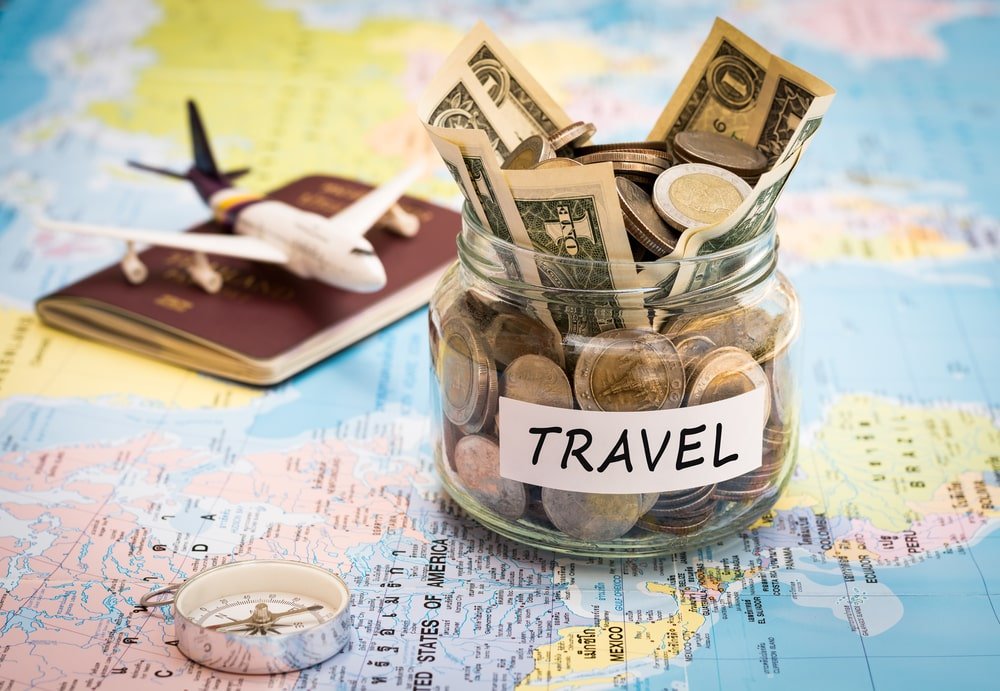
Exploring exotic places doesn’t have to break the bank, and you certainly don’t need to win the lottery to travel the world or study abroad—especially if you know how to budget wisely. We’ve compiled some tried-and-tested tips to help you plan a budget-friendly holiday.
1. Develop a Solid Plan
While spontaneous travel can be exciting, it’s not always practical when you’re on a budget. The first step in budget travel is to create a plan. You don’t need a detailed, hour-by-hour itinerary, but having a rough idea of how long you’ll spend in each city or country, and knowing the route your adventure will take, can save you money. Planning reduces the risk of unexpected expenses; last-minute flights and accommodations are often much more expensive.
2. Travel During the Off-Season
Avoid traveling during school holidays, as this is when the travel industry raises prices to capitalize on families who can only travel during these times. Instead, research the best time to visit your destination and travel just before or after these peak dates. This is known as the ‘shoulder season,’ where you can still enjoy a fantastic trip but with fewer crowds and lower prices. Hotels and airlines often reduce their rates during this time to attract more customers.
3. Be Accommodation-Savvy
Instead of booking expensive hotel suites, consider staying in dorm rooms at hostels. Sharing a room helps divide costs, and communal bunk rooms provide an excellent opportunity to meet fellow travelers who might want to explore with you. Websites like Airbnb and Couchsurfing are fantastic alternatives, allowing you to book a spare room in a local person’s home. This not only halves the cost but also gives you an authentic snapshot of real life in the city. Your host can serve as a personal tour guide, offering insider tips for the best eateries and attractions in the neighborhood.
4. Pack Properly
Ensure you pack everything you need to avoid unnecessary shopping while away (aside from souvenirs). Regardless of your destination, bring at least one pair of long jeans, a warm hoodie, and a waterproof jacket to prepare for unpredictable weather.
5. Book Flights in Advance
Booking flights in advance, especially return flights, is crucial. Running out of money abroad without a guaranteed ticket home is never ideal. Airlines release their flight seats up to a year in advance, and prices tend to increase as the departure date approaches, particularly in the last month.
6. Be Smart About How You Fly
Opt to travel on a Tuesday. Midweek travel prices are generally lower because weekend flights carry a premium. You’ll also enjoy shorter queues at airport check-in desks and security. Stick to economy class-upgrading is unnecessary, even if Business Class looks tempting. The money you save on cheap seats can be spent on food or accommodation upon arrival. Low-cost budget airlines are excellent for short flights and frequently offer cheap deals. For weekend trips, try to pack light and use only hand luggage to save on hold luggage fees.
7. Embrace Public Transport
Choosing buses and trains over planes is a simple way to save money. Public transport options like buses and trains are significantly cheaper, and an overnight train journey can even save you a night’s accommodation costs. Plus, train travel offers a scenic and relaxing way to see the countryside.
8. Don’t Eat Away Your Cash
Save on food by buying cheap lunches from supermarkets or local fresh food markets instead of overpriced cafes or restaurants. Wander around before choosing a place for dinner to avoid overspending at the first restaurant you see. Reducing alcohol consumption can also save money-your wallet and waistline will thank you for opting for water instead of beer. Many hostels and spare rooms offer kitchen access, allowing you to cook your meals and save even more.
9. Earn While You Travel
Consider working holidays to fund your travels. Teach skiing during the winter season, assist holidaymakers in the Mediterranean during the summer, or teach a language in Thailand. Freelancing while traveling is another great option if your work allows it. The opportunities to earn while exploring the world are endless, making it possible to sustain long-term travel.


 English
  Հայերեն